If your container tomatoes stall at half size, your peppers yellow by midsummer, or your pots turn into a brick after two waterings, the problem is probably not your skill. It is the soil. Choosing the best potting soil for vegetables decides whether roots get air, water and food, or sit in a soggy, compacted mess.
Most failures follow a pattern. Gardeners fill pots with heavy backyard dirt, buy the cheapest bag on the shelf, or assume every bag marked “potting soil” is built for edible crops. Vegetables are hungry and fast-growing, and they need a mix that drains well while still holding moisture.
This guide compares five proven mixes, explains how to choose one, and shows how to use it properly. If you are building beds first, start with our raised bed gardening for beginners guide and our roundup of raised bed materials and kits.
Quick Answer
The best potting soil for vegetables depends on your container and your habits. Pots and grow bags need a light, well-draining mix with built-in nutrients. Raised beds do better with a blend of quality mix and compost. Gardeners who feed on a schedule can use a basic mix, while busy gardeners benefit from one with slow-release organic fertilizer already included. Choose a bag labeled for vegetables or containers, avoid anything that feels heavy and muddy, and always check that it drains freely.
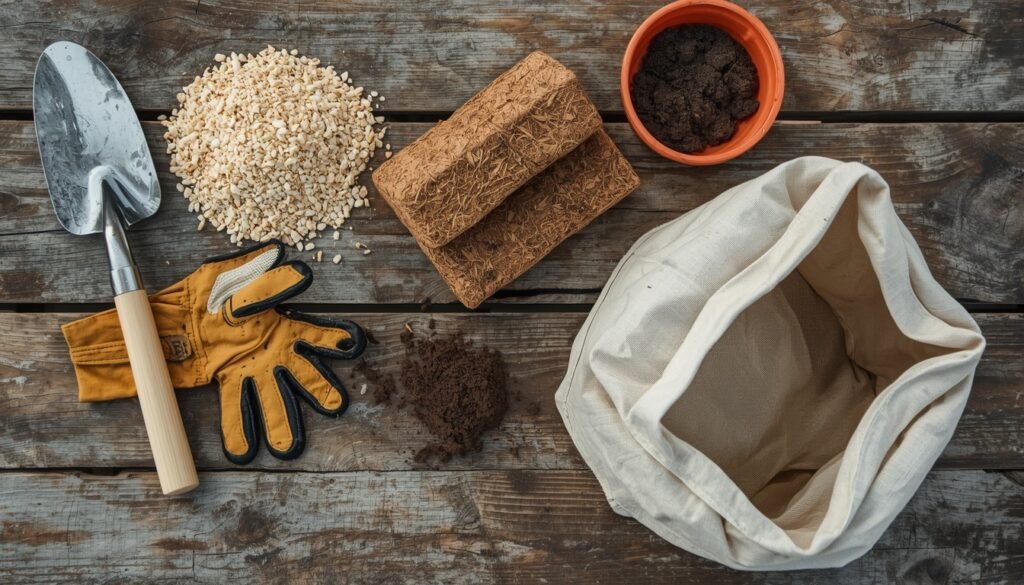
Table of Contents
- What Is Potting Soil for Vegetables?
- How to Choose the Right Potting Soil
- Best Potting Soil for Vegetables: Our Top 5
- Comparison Table
- Best Potting Soil for Different Growing Setups
- How to Use Potting Soil Correctly
- Common Mistakes
- Expert Tips
- Final Verdict
- Frequently Asked Questions
What Is Potting Soil for Vegetables?
Potting soil, often called potting mix, is a soilless blend designed for containers. Despite the name, many mixes contain little or no actual mineral soil. They are built from peat moss or coconut coir for moisture, perlite or pumice for drainage, and compost or organic fertilizers for nutrition.
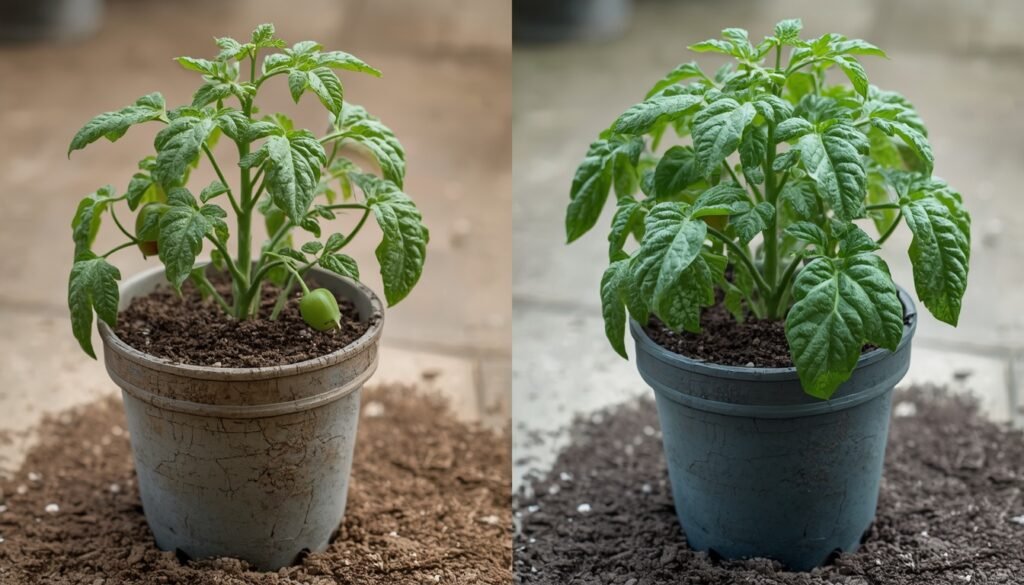
That structure matters because roots in a pot cannot spread into the ground to find water or air. Garden dirt packs down in containers, squeezes out oxygen and drains slowly, which invites root rot. A good mix stays fluffy for a whole season.
The best potting soil for vegetables adds one more thing: enough nutrition to carry fast growers like tomatoes, squash and peppers through their first weeks. Leafy crops want steady nitrogen, and fruiting crops want phosphorus and potassium later. If you plan to feed regularly, our guide to organic fertilizers and soil amendments explains what to add.
How to Choose the Right Potting Soil
Ask yourself three questions before buying.
1. What am I growing in? Pots, grow bags and window boxes need a lighter mix than a raised bed. Deep beds can take a heavier blend with compost.
2. Do I want food built in? Mixes with organic fertilizer give you roughly four to six weeks of nutrition. Plain mixes are cheaper but need earlier feeding.
3. How often will I water? Mixes rich in peat or coir hold moisture longer. Mixes with more perlite dry faster, which suits humid climates and forgetful waterers.
Also look for a pH between about 6.0 and 6.8, which most vegetables prefer. University extension programs, such as the University of Minnesota Extension, publish solid guidance on container media and vegetable nutrition. If you want to verify your own mix, our soil testing and pH guide walks through it.
Best Potting Soil for Vegetables: Our Top 5
Formulas change between batches, so check the bag for current ingredients before buying.
1. FoxFarm Ocean Forest Potting Soil
Overview: Ocean Forest is a rich, nutrient-dense mix popular with heavy feeders. It combines forest humus, worm castings and fish and bat-based inputs with aeration material. It suits gardeners who want strong early growth without mixing their own blend.
Key Features:
- Pre-charged with organic nutrients
- Dark, loamy texture
- pH-adjusted for containers
- Good moisture retention
Best For: Tomatoes, peppers, squash and other hungry crops in large pots.
Pros: ✅ Strong early growth ✅ Rich, premium texture ✅ Reduces early feeding needs
Cons: ❌ Can be too rich for seedlings ❌ Higher price per bag
Our Verdict: Excellent for large containers and fruiting crops. Cut it with perlite for seedlings. Pair it with a reliable watering can so you can water gently at the base.
2. Espoma Organic Potting Mix
Overview: Espoma is a widely available organic option with a balanced, general-purpose texture. It is formulated with natural ingredients and beneficial mycorrhizae, which help roots take up nutrients.
Key Features:
- Organic formulation
- Includes mycorrhizal fungi
- Blended for containers and raised planters
- Easy to find at garden centers
Best For: Beginners, mixed container gardens and herbs.
Pros: ✅ Organic and easy to find ✅ Balanced texture ✅ Forgiving for new gardeners
Cons: ❌ Needs feeding mid-season for heavy crops ❌ Can dry out faster in hot weather
Our Verdict: A dependable all-rounder. It works well alongside the plants in our indoor herb guide.
3. Black Gold All Purpose Potting Soil
Overview: Black Gold has a loyal following for its consistent, lightweight texture. It drains well while holding enough moisture for steady growth, which makes it a good base for custom blends.
Key Features:
- Light, airy structure
- Good drainage
- Blends easily with compost
- Suitable for pots and raised planters
Best For: Gardeners who like to customize their mix.
Pros: ✅ Consistent texture ✅ Great base for amending ✅ Drains well
Cons: ❌ Light on built-in nutrients ❌ Needs a feeding schedule
Our Verdict: Choose it if you prefer to control nutrition yourself. Combine it with homemade compost from a compost tumbler for a custom vegetable blend.
4. Miracle-Gro Performance Organics Container Mix
Overview: This mix is aimed at gardeners who want an organic option with convenient feeding built in. It focuses on container vegetables and flowers, with slow-release nutrition and good water retention.
Key Features:
- Organic-oriented formulation
- Built-in feeding
- Moisture-retentive structure
- Widely stocked
Best For: Busy gardeners and balcony growers.
Pros: ✅ Convenient ✅ Easy to find ✅ Holds moisture well
Cons: ❌ Can stay wet in rainy climates ❌ Less control over ingredients
Our Verdict: A practical choice for low-maintenance containers. Add a soil moisture meter to avoid overwatering.
5. Roots Organics Original Potting Soil
Overview: Roots Organics is a coir- and peat-based blend with a loose, coarse structure. It gives roots plenty of oxygen and is popular among gardeners who grow in large fabric pots.
Key Features:
- Airy, open texture
- Organic inputs
- Excellent aeration
- Works in large containers
Best For: Large pots, fabric containers and gardeners who water carefully.
Pros: ✅ Superb aeration ✅ Resists compaction ✅ Great for big containers
Cons: ❌ Dries faster ❌ Needs consistent watering
Our Verdict: A strong pick for roots that love air. Use it in vertical planters with consistent drip watering.
Comparison Table
| Mix | Best For | Built-In Nutrition | Texture | Drainage |
|---|---|---|---|---|
| FoxFarm Ocean Forest | Heavy feeders | High | Rich, loamy | Moderate |
| Espoma Organic | Beginners, herbs | Moderate | Balanced | Good |
| Black Gold All Purpose | Custom blends | Low | Light | Very good |
| Miracle-Gro Performance Organics | Busy gardeners | Moderate | Moisture-retentive | Moderate |
| Roots Organics Original | Large pots | Moderate | Coarse, airy | Excellent |
Best Potting Soil for Different Growing Setups
Containers and Pots
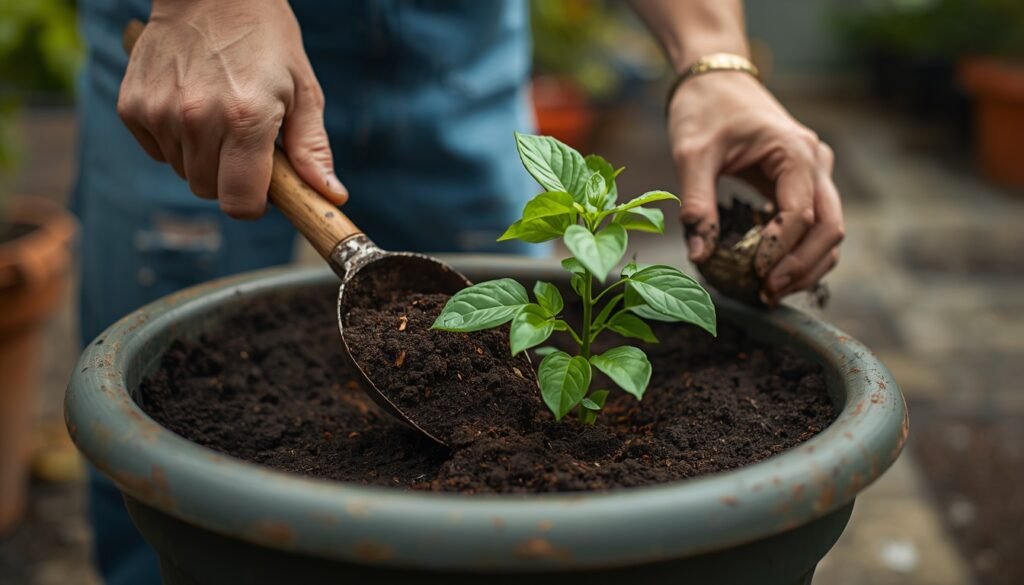
Pots demand drainage above all. Fill them with a quality mix, never garden dirt, and make sure drainage holes are clear. Heavy feeders like tomatoes do best with a nutrient-rich blend. Use a garden hand trowel to fill evenly without compacting. A tall pot also pairs well with a trellis or plant support.
Raised Beds
Raised beds rarely need pure potting soil, which is expensive in bulk. A common approach is to blend quality mix with compost and a little topsoil. Our guides to raised bed kits and composting bins cover how to build and fill them efficiently. Moving bulk material is far easier with a garden cart or wheelbarrow.
Grow Bags and Small Spaces
Fabric bags breathe, so they dry faster than plastic pots. Pick a mix that holds moisture, or add coir. Balcony and small-space gardeners can combine bags with vertical gardening systems and a simple drip irrigation setup to keep watering consistent.
How to Use Potting Soil Correctly
Step 1: Prepare the Container
Choose a pot with drainage holes and enough depth. Most tomatoes and peppers need at least five gallons. Clean old pots to avoid carrying over disease.
Step 2: Pre-Moisten the Mix
Dry potting soil repels water. Pour it into a tub, add water gradually and turn it until it feels like a wrung-out sponge.
Step 3: Fill and Plant
Fill the container to about an inch below the rim. Plant at the right depth, and keep seeds as directed on the packet. Start seedlings with the help of our seed-starting supplies guide.
Step 4: Water and Settle
Water slowly until it drains from the bottom. Top up if the soil settles.
Step 5: Mulch and Maintain
Add a thin layer of vegetable garden mulch to hold moisture. Check moisture by touch, and feed according to your mix’s needs. Wear good gardening gloves when handling bags and compost.
Common Mistakes
Using garden dirt in pots. It compacts and drains poorly. Choose a proper mix, and use garden soil only in beds. Our crop rotation guide explains how to keep ground soil healthy.
Overwatering. Soggy mix suffocates roots. Stick a finger in two inches deep, or use a meter. See our watering and irrigation guide for reliable setups.
Skipping feeding. Even rich mixes run out of nutrients. Plan a regular feeding routine, as described in our tomato growing guide.
Expert Tips
Blend for the crop. Add a handful of perlite for root crops like carrots, and a little extra compost for leafy greens.
Refresh instead of replace. At season’s end, remove roots and debris, then mix in fresh compost and a little new mix. This saves money and rebuilds structure.
Watch the weight. If a bag feels unusually heavy and muddy, it likely holds too much moisture and too little air. Pick another.
Final Verdict
- Best overall: Espoma Organic Potting Mix, for balance and availability
- Best for heavy feeders: FoxFarm Ocean Forest
- Best for custom blends: Black Gold All Purpose
- Best low-maintenance: Miracle-Gro Performance Organics Container Mix
- Best for large pots: Roots Organics Original
The best potting soil for vegetables is the one that matches your containers, your watering habits and your crops. Pair it with a good garden hose, well-planned organic pest control, and a companion planting plan for the strongest results.
Frequently Asked Questions
1. Can I use regular potting soil for vegetables?
Yes, many general potting mixes work well. Check that the bag is not intended only for ornamentals or succulents, and confirm it has some nutrition or plan to feed.
2. What is the difference between potting soil and garden soil?
Potting soil is a lightweight, soilless blend built for containers. Garden soil is mineral-based and heavy, and it compacts in pots. Use each where it belongs.
3. How much potting soil do I need?
Volume depends on container size. A five-gallon pot needs roughly that much mix. For raised beds, multiply length, width and depth, then convert to cubic feet.
4. Can I reuse potting soil next year?
Yes, if plants were healthy. Remove roots, break up clumps and blend in fresh compost. Discard mix from diseased plants.
5. Is organic potting soil better for vegetables?
Not automatically, but organic mixes release nutrients slowly and support soil life. They suit edible crops well.
6. Why does my potting soil have gnats?
Fungus gnats breed in constantly wet mix. Let the top inch dry between waterings, and improve drainage. See our organic pest control guide.
7. Do I need to add fertilizer to potting soil?
Usually, yes, after four to six weeks. Heavy feeders need regular feeding, even with a nutrient-rich mix.
8. Is peat or coconut coir better?
Both hold moisture and air. Peat is common and affordable, while coir is a renewable alternative that rewets more easily.
9. Can I mix compost into potting soil?
Yes. Adding up to about a quarter compost boosts nutrition. More than that can reduce drainage in pots.
Author: Pamela Reese
Last Updated: November 2026