Composting sounds simple in theory — pile up scraps, wait, get soil — but the system you actually compost in determines whether that pile turns into rich, usable material in a few weeks or sits half-finished and smelly for a year. Different bins and systems solve completely different problems: some are built for speed, some for handling kitchen scraps indoors, and some for processing large volumes of yard waste with almost no effort at all.
Choosing the wrong system for your space and habits is one of the most common reasons composting attempts get abandoned, in the same way skipping proper soil testing leads gardeners to apply the wrong fix for a problem they haven’t actually diagnosed. A tumbling composter sitting unused because it’s too small for a family’s kitchen scraps, or an open pile attracting pests in a small urban yard, aren’t failures of composting itself — they’re mismatches between the system and the situation.
This guide breaks down five composting bins and systems worth knowing, exactly how each one works, what specific composting problem it solves, and why it’s worth the investment — building on the fundamentals covered in a composting for beginners guide.
Quick Answer
The best composting system depends on your space, the volume of waste you’re processing, and how quickly you want finished compost. A tumbling composter offers fast, low-effort compost through easy turning, ideal for small to medium yards. A stationary bin handles a steady volume of yard and kitchen waste with minimal cost. A worm bin turns kitchen scraps into rich castings indoors, perfect for apartments or anyone without outdoor space. A bokashi bucket system ferments food waste, including meat and dairy, that traditional composting can’t handle. A three-bin system manages large volumes of yard waste in stages, ideal for bigger properties and gardens. Most home gardeners get the most value from either a tumbling composter or a worm bin as a first system, adding others as their compost needs grow.
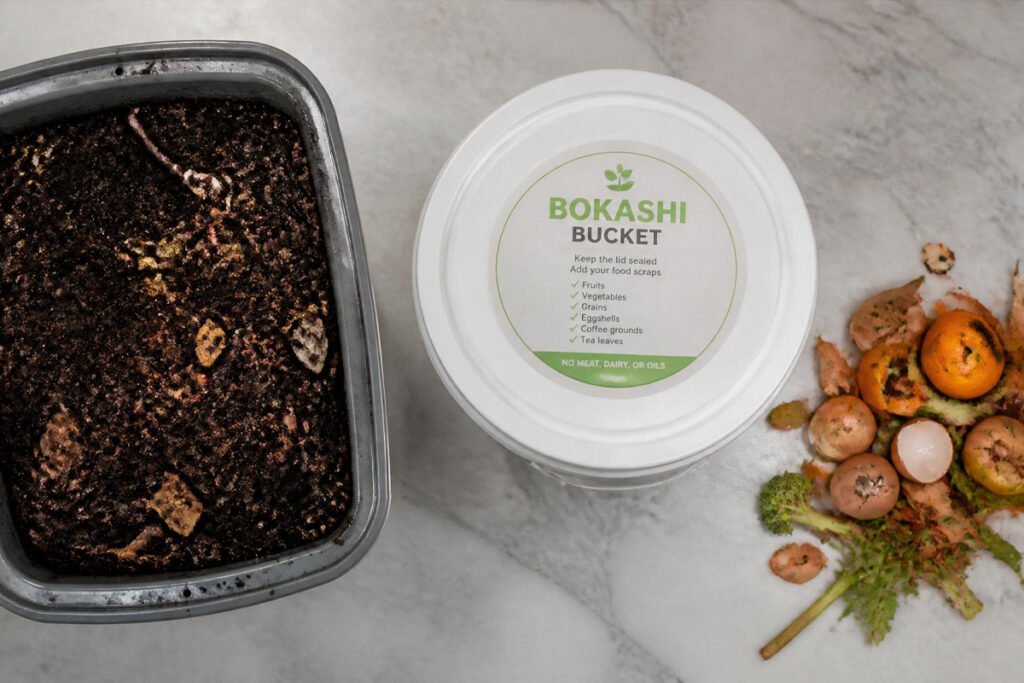
Table of Contents
- Why Composting System Choice Matters More Than Effort
- How to Choose the Right Composting System
- Best Composting Bins & Systems
- Comparison Table
- Composting Systems for Different Living Situations
- How to Get a New Composting System Started
- Common Composting System Mistakes
- Expert Tips
- Final Thoughts
- Frequently Asked Questions
Why Composting System Choice Matters More Than Effort {#why-system-matters}
Composting speed and success depend heavily on oxygen, moisture, and how easily a system lets you manage both. Piles that never get turned or aerated properly break down slowly and can develop unpleasant smells from anaerobic conditions, while systems designed for easy turning or airflow finish compost in a fraction of the time with far less troubleshooting.
Space and waste type matter just as much. Someone generating mostly kitchen scraps in an apartment has fundamentally different needs than someone with a large yard producing leaves, grass clippings, and garden waste by the truckload. Matching the system to your actual waste stream, not just picking whatever’s popular, is what determines whether composting becomes a sustainable habit or an abandoned bin in the corner of the yard, and it directly affects how much usable material eventually makes it back into your crop rotation and soil-building routine.
How to Choose the Right Composting System {#how-to-choose}
Before buying, think through three questions:
How much space do you have? Apartment dwellers and small-yard gardeners benefit most from compact systems like worm bins or bokashi buckets, while larger properties can handle bigger tumblers or multi-bin setups.
What kind of waste are you composting? Standard kitchen scraps and yard waste work well in most systems, but meat, dairy, and oily foods need a bokashi system specifically, since traditional composting can’t safely break them down.
How quickly do you want finished compost? Tumbling composters and well-managed three-bin systems produce usable compost fastest with regular attention, while a simple stationary bin works at a slower, lower-maintenance pace.
Best Composting Bins & Systems {#best-systems}
Tumbling Composter
Overview: An enclosed, rotating drum mounted on a frame, designed to make turning and aerating compost fast and effortless compared to manually flipping an open pile.
Why It Works: Regular turning introduces oxygen throughout the pile, which speeds up the microbial activity responsible for breaking down organic material. A tumbler makes this process dramatically easier than turning an open pile with a pitchfork, since a simple crank or roll mixes the entire contents evenly in seconds. The enclosed design also helps retain heat, which further accelerates decomposition compared to an open system exposed to outside temperatures.
Key Features:
- Easy crank or roll mechanism aerates the entire pile at once
- Enclosed design retains heat and speeds decomposition
- Elevated design deters most pests from accessing contents
Best For: Small to medium yards wanting faster finished compost with minimal manual labor.
Pros: ✅ Much faster than open pile composting ✅ Minimal physical effort to turn ✅ Enclosed design discourages pests
Cons: ❌ Limited capacity compared to open bins or multi-bin systems ❌ Higher upfront cost than a basic stationary bin
Our Verdict: Worth buying for anyone who wants meaningfully faster compost without the physical effort of manually turning a pile — this is the best fit for most home gardeners who generate a moderate, steady volume of kitchen and yard waste, especially alongside a well-stocked garden tool kit.
Stationary Bin
Overview: A simple, fixed enclosure — typically wire mesh or perforated plastic — that holds compost materials in one place without the moving parts of a tumbler.
Why It Works: A stationary bin’s main advantage is contained simplicity: it keeps compost materials organized and somewhat protected while allowing natural airflow through mesh or perforated sides, supporting the same oxygen-dependent decomposition process at a slower, lower-maintenance pace than active turning systems. Because there’s no mechanism to break or maintain, it’s also one of the most reliable, longest-lasting options available.
Key Features:
- Simple design with no moving parts to maintain
- Mesh or perforated sides allow passive airflow
- Typically the most affordable dedicated composting option
Best For: Gardeners wanting a low-cost, low-maintenance system without the need for fast turnaround.
Pros: ✅ Very affordable ✅ Minimal maintenance required ✅ Long-lasting with no mechanical parts
Cons: ❌ Slower decomposition than actively turned systems ❌ Manual turning with a fork is still needed occasionally for best results
Our Verdict: Worth buying as the most budget-friendly dedicated option — ideal if you’re not in a hurry for finished compost and want something that requires almost no upkeep beyond occasionally adding material.
Worm Bin (Vermicomposting)
Overview: A compact bin housing red wiggler worms that consume kitchen scraps and produce nutrient-rich worm castings, compact enough for indoor use in an apartment or garage.
Why It Works: Worms digest organic material and excrete castings that are already broken down into a form plants can use almost immediately, essentially pre-processing nutrients in a way that speeds up what would otherwise take months in a standard pile. Because the system is fully enclosed and odor-controlled when managed properly, it’s one of the only composting methods genuinely practical for indoor use year-round, regardless of outdoor space or climate.
Key Features:
- Compact enough for indoor use in any climate or season
- Produces nutrient-dense castings faster than traditional piles
- Minimal odor when properly maintained with the right moisture balance
Best For: Apartment dwellers, renters, or anyone without outdoor composting space who still wants to process kitchen scraps.
Pros: ✅ Works indoors year-round ✅ Produces particularly nutrient-rich finished material ✅ Compact footprint
Cons: ❌ Limited capacity compared to outdoor systems ❌ Requires monitoring worm population and moisture levels to avoid odor issues
Our Verdict: Worth buying specifically if outdoor space isn’t available — this is the only system on this list that genuinely works indoors, and the resulting castings are among the most potent, garden-ready material any home composting method produces, rivaling even worm castings sold as a standalone amendment.
Bokashi Bucket System
Overview: A sealed, airtight bucket system that ferments food waste using a specialized bran inoculated with beneficial microbes, capable of processing food types traditional composting can’t handle.
Why It Works: Unlike aerobic composting methods that rely on oxygen and microbial breakdown, bokashi uses anaerobic fermentation, allowing it to safely process meat, dairy, and oily food scraps that would otherwise attract pests or rot unpleasantly in a standard compost pile. The fermented material still needs to finish breaking down in soil or a secondary compost system afterward, but the bokashi step handles waste types no other method on this list can process directly.
Key Features:
- Airtight design prevents odor and pest access during fermentation
- Processes meat, dairy, and oily foods safely, unlike standard composting
- Produces a nutrient-rich liquid byproduct usable as diluted plant feed
Best For: Households wanting to compost all food waste, including meat and dairy scraps that other methods exclude.
Pros: ✅ Handles food waste other systems can’t ✅ Compact and works indoors ✅ Produces a usable liquid feed byproduct
Cons: ❌ Fermented material requires a secondary composting step or burial before use ❌ Requires purchasing bokashi bran regularly to maintain the fermentation process
Our Verdict: Worth buying specifically to eliminate food waste that would otherwise go to landfill, since it’s the only system here that safely handles meat and dairy — just budget for the secondary composting or burial step afterward.
Three-Bin System
Overview: Three connected or side-by-side bins representing different stages of decomposition, allowing new material, actively breaking-down material, and finished compost to be managed separately at the same time.
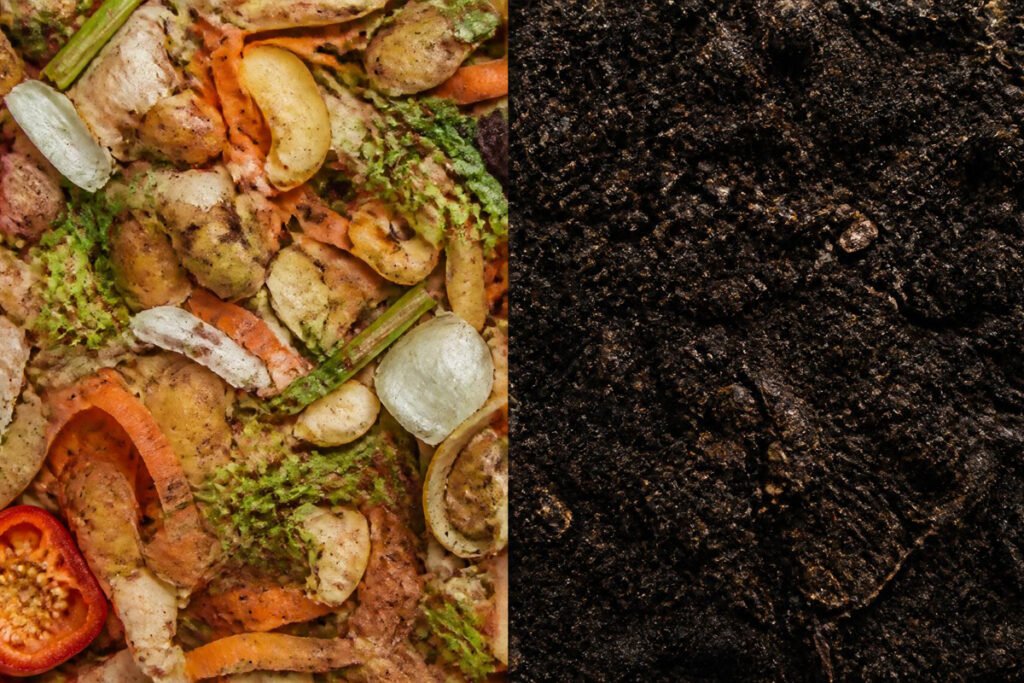
Why It Works: Separating compost by stage solves one of the biggest challenges in larger-scale composting — mixing fresh and finished material, which slows down the whole batch and makes it hard to know when anything is actually ready to use. A three-bin system lets fresh waste go into bin one while bin two continues breaking down undisturbed and bin three sits ready to use, keeping a continuous, staged production cycle running rather than one single pile restarting the clock every time new material gets added.
Key Features:
- Separates fresh, active, and finished compost into distinct stages
- Handles large volumes of yard waste efficiently
- Continuous cycle means finished compost is available more consistently
Best For: Larger properties generating significant yard waste, or dedicated gardeners wanting a steady, ongoing compost supply.
Pros: ✅ Handles large volumes efficiently ✅ Keeps fresh and finished material properly separated ✅ Provides a continuous, staged compost supply
Cons: ❌ Requires the most physical space of any system here ❌ More labor-intensive to build and manage than a single bin
Our Verdict: Worth building specifically for larger gardens or properties with substantial yard waste — the staged approach solves the “one giant mixed pile” problem that slows down composting at scale, though it’s overkill for a small urban yard.
Comparison Table {#comparison-table}
| System | Best For | Speed | Space Needed | Handles Meat/Dairy |
|---|---|---|---|---|
| Tumbling Composter | Small–medium yards, fast results | Fast | Moderate | No |
| Stationary Bin | Low-maintenance, budget option | Slow | Moderate | No |
| Worm Bin | Indoor, apartments | Moderate | Minimal | No |
| Bokashi Bucket | All food waste types | Fast (ferment), needs 2nd stage | Minimal | Yes |
| Three-Bin System | Large yards, big waste volume | Moderate–Fast | Significant | No |
Composting Systems for Different Living Situations {#different-setups}
Apartments and Small Rentals
A worm bin or bokashi bucket system are the only realistic options for indoor composting without outdoor access, both compact enough to fit under a sink or in a closet while processing meaningful volumes of kitchen scraps.
Suburban Yards with Raised Beds
A tumbling composter fits well alongside a typical suburban yard with a few raised beds, producing enough finished compost to regularly feed beds without requiring the space a three-bin system demands, especially when paired with the right raised bed materials.
Larger Properties and In-Ground Gardens
A three-bin system makes the most sense for larger in-ground plots generating substantial yard waste, providing a continuous compost supply that matches the bigger soil-building needs of a large crop rotation cycle.
How to Get a New Composting System Started {#how-to-start}
Step 1: Choose a System That Matches Your Space and Waste
Match your chosen system to your actual living situation and waste type, rather than the most popular or biggest option available.
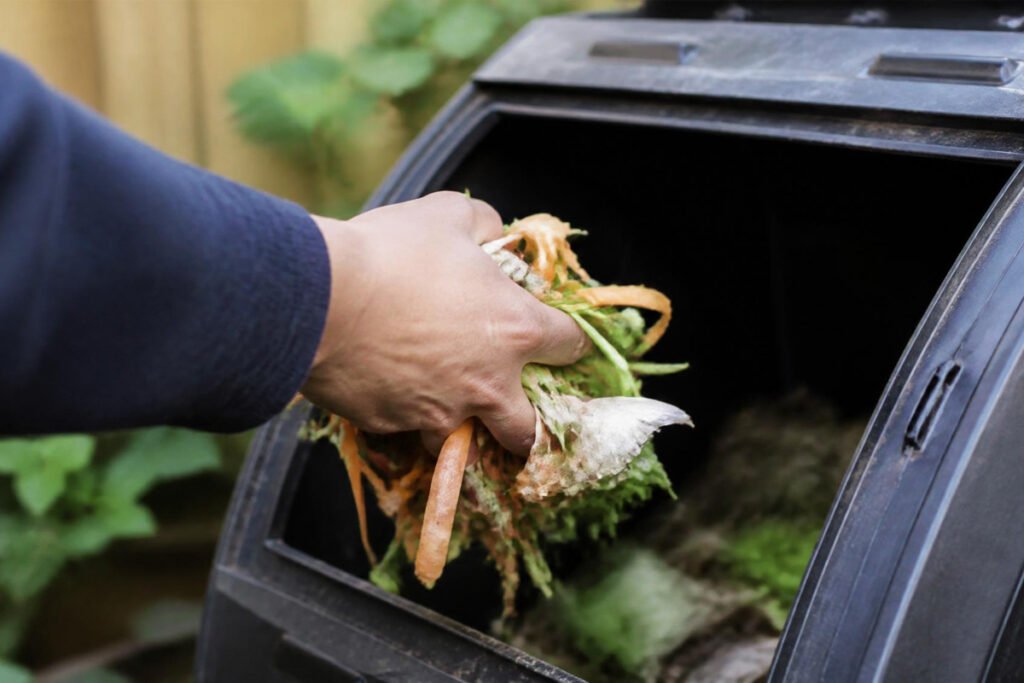
Step 2: Layer Greens and Browns from the Start
Alternate nitrogen-rich “greens” like kitchen scraps with carbon-rich “browns” like dried leaves or cardboard from the very first addition to establish good decomposition balance early.
Step 3: Monitor Moisture Levels
Compost should feel like a wrung-out sponge — add dry browns if it’s too wet, or water lightly if it’s too dry, checking regularly during the first few weeks.
Step 4: Turn or Aerate on a Regular Schedule
Whether cranking a tumbler or forking a stationary pile, consistent aeration on a set schedule speeds decomposition far more than sporadic, occasional turning.
Step 5: Harvest and Apply Finished Compost
Once material looks dark, crumbly, and earthy with no recognizable scraps, it’s ready to work into beds alongside your regular soil preparation routine.
Common Composting System Mistakes {#common-mistakes}
Choosing a system too small for actual household waste volume. A tiny bin that fills up within days quickly becomes frustrating to manage. Estimate your realistic weekly scrap volume before choosing a system size, similar to how you’d size a seed starting setup to your actual seedling count.
Adding meat or dairy to standard aerobic systems. Regular tumblers, stationary bins, and three-bin systems aren’t designed to safely process these foods and often result in odor and pest problems. Use a bokashi system specifically for these waste types.
Letting a pile sit completely unturned for months. Even low-maintenance systems benefit from occasional aeration; a pile that’s never turned can compact, go anaerobic, and develop unpleasant odors, undermining the entire process before it feeds into your garden’s soil health plan.
Expert Tips {#expert-tips}
Start smaller than you think you need. It’s far easier to add a second bin or system later than to manage an oversized system that feels overwhelming from day one.
Pair composting with your existing garden routine. Timing compost harvesting to align with your crop rotation schedule means finished material is ready exactly when a bed needs refreshing between plant families.
Combine systems for different waste types. Many households get the best results running a bokashi bucket for food scraps including meat and dairy, alongside a tumbler or stationary bin for yard waste and non-fermented kitchen scraps, then applying the finished result as part of a broader organic fertilizing routine.
Final Thoughts {#final-thoughts}
Best overall: a tumbling composter, for the best balance of speed and manageable effort in most home gardens. Best for indoor or small spaces: a worm bin, the only genuinely practical indoor option. Best for larger properties: a three-bin system, built to handle serious yard waste volume in continuous stages.
The right composting system isn’t about picking the most impressive-looking option — it’s about matching the system to your actual space, waste type, and how quickly you want usable material. Combined with good soil preparation, a solid crop rotation plan, and consistent weeding, finished compost from any of these systems becomes one of the most valuable, lowest-cost soil amendments a vegetable garden can get.
Frequently Asked Questions {#faq}
Which composting system produces finished compost the fastest? A well-maintained tumbling composter, turned regularly, typically produces usable compost fastest among enclosed systems, though a well-managed three-bin system can be comparably quick for larger volumes.
Can I compost meat and dairy in a regular bin? No — standard aerobic systems like tumblers, stationary bins, and three-bin setups aren’t designed for these foods and often result in odor and pest issues. A bokashi system is built specifically for this waste type.
Is a worm bin really odor-free indoors? When properly maintained with correct moisture levels and appropriate feeding amounts, a worm bin produces minimal odor, making it genuinely suitable for indoor apartment use.
How much space does a three-bin system actually need? Plan for enough room for three bins side by side, each large enough to hold a meaningful volume of material — this system generally needs the most space of any option on this list.
Do I need to add anything special to start a compost pile? A basic mix of nitrogen-rich “greens” and carbon-rich “browns” is enough to start most systems, though bokashi specifically requires its inoculated bran to begin fermentation.
How long does bokashi fermentation take before I can use the material? Fermentation typically takes a few weeks in the sealed bucket, after which the material still needs a secondary composting or burial period before it’s fully ready to use in soil.
Can I use finished compost directly on my vegetable beds? Yes, fully finished compost — dark, crumbly, and without recognizable food scraps — can be worked directly into soil as part of your regular soil preparation routine.
What’s the easiest composting system for a complete beginner? A stationary bin or a tumbling composter are generally the most beginner-friendly, requiring less specialized knowledge than bokashi fermentation or worm bin population management.
Do I need multiple composting systems, or is one enough? One system is enough for most households, though combining a bokashi bucket for food waste with a tumbler or bin for yard waste lets you compost a wider range of materials.
How often should I turn or check a composting system? Tumblers benefit from turning every few days, while stationary and three-bin systems can be checked and turned weekly or every couple of weeks depending on how quickly you want finished compost.
Can composting systems attract pests if not managed properly? Yes, especially open or poorly sealed systems with food scraps exposed — enclosed tumblers, worm bins, and bokashi buckets all reduce this risk significantly compared to an unmanaged open pile.
Is it worth building a three-bin system for a small backyard garden? Usually not — the space and material volume needed to keep three bins in active use make more sense for larger properties, while a tumbler or stationary bin suits most small to medium backyard gardens better.
Author: Pamela Reese