A single unexpected frost can undo weeks of careful growing in one night, and an early or late cold snap is one of the most frustrating ways to lose a harvest that was otherwise almost ready. At the same time, many gardeners assume their growing season ends the moment the calendar says it should, missing weeks of additional harvest that a little protection could have easily captured on either end, similar to how skipping succession planting leaves usable growing time on the table.
Season extension products solve two related but distinct problems: protecting existing plants from an unexpected cold snap, and actively pushing the growing season earlier in spring or later into fall than it would otherwise allow. Different products are built for different degrees of protection — some simply take the edge off a light frost, while others create a genuinely warmer microclimate capable of supporting growth well outside a region’s normal season.
This guide breaks down five row cover and season extension products worth knowing, exactly how each one works, what specific temperature problem it solves, and why it earns a place in your gardening setup — pairing naturally with a seasonal planting calendar to squeeze more growing days out of every year.
Quick Answer
The best season extension product depends on how much protection you need and how permanent you want the setup. Floating row cover offers lightweight, breathable frost and pest protection that can stay on plants for weeks at a time. A cold frame creates a genuinely warmer, sun-trapping microclimate ideal for hardening off seedlings or extending harvests by several weeks. Low tunnels use hoops and plastic sheeting to cover entire rows, offering more warmth than row cover alone. Cloches protect individual young plants during the most vulnerable early transplant stage. A heavy frost blanket provides the strongest protection for a genuine hard freeze, at the cost of blocking more light than lighter options. Most gardens benefit from combining lightweight row cover for routine use with one heavier option kept in reserve for serious cold snaps.
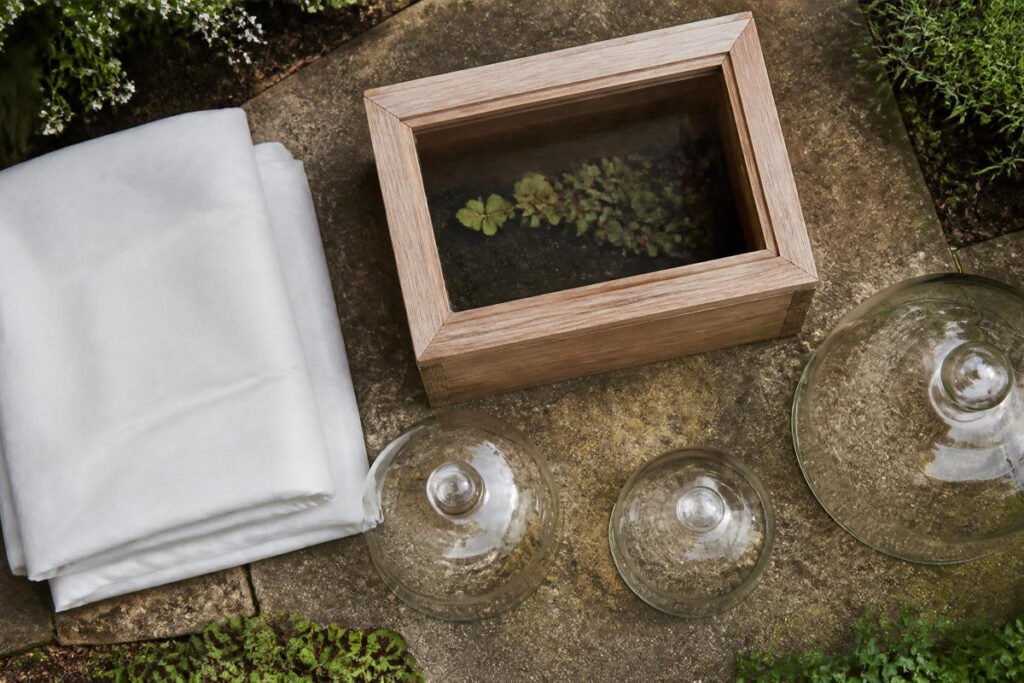
Table of Contents
- Why Season Extension Products Aren’t All Solving the Same Problem
- How to Choose the Right Season Extension Product
- Best Row Covers & Season Extension Products
- Comparison Table
- Season Extension for Different Garden Setups
- How to Install Season Extension Products Correctly
- Common Season Extension Mistakes
- Expert Tips
- Final Thoughts
- Frequently Asked Questions
Why Season Extension Products Aren’t All Solving the Same Problem {#why-products-differ}
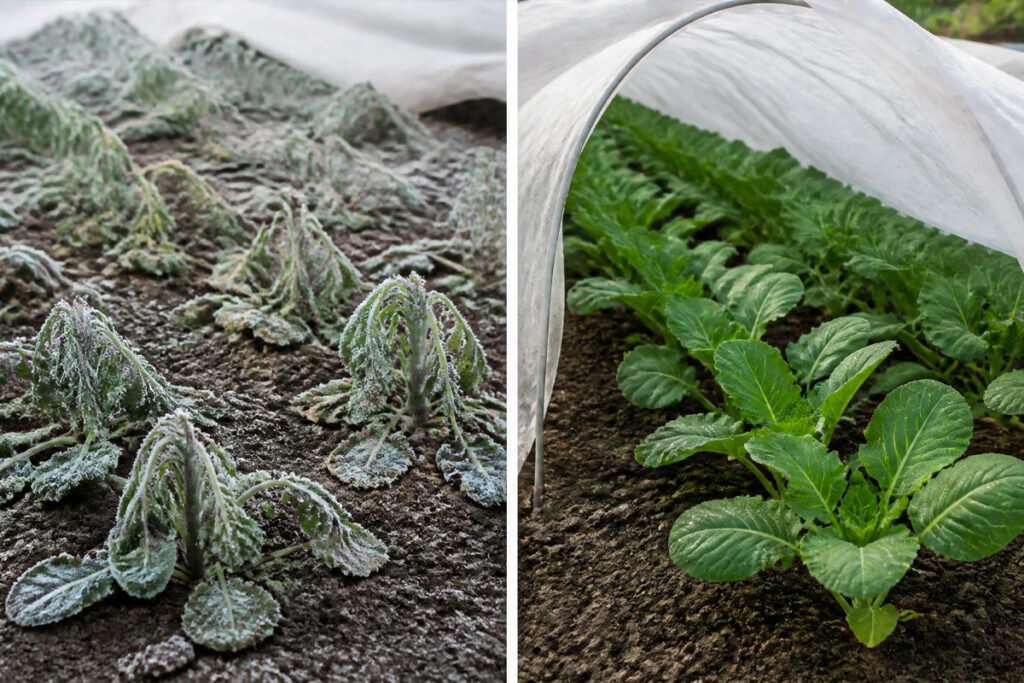
It’s easy to assume all frost protection products do roughly the same thing, but they actually fall into two very different categories. Lightweight covers like floating row cover and cloches work by trapping a thin layer of warmer air directly around the plant, offering a few degrees of protection — enough for a light frost, but not a hard freeze. Structural options like cold frames and low tunnels go further, creating an actual enclosed microclimate that can stay significantly warmer than the outside air for hours or even days at a time.
Understanding this difference matters because using the wrong category for the situation leads to real losses. Relying on thin row cover alone during a hard freeze often isn’t enough protection, while setting up a full cold frame just to protect a few tomato seedlings from one mild evening chill is far more effort than the situation calls for. Matching the product to the actual temperature threat is what separates effective season extension from a false sense of security, much like matching the right organic fertilizer to an actual soil deficiency separates a targeted fix from wasted product.
How to Choose the Right Season Extension Product {#how-to-choose}
Before buying, think through three questions:
How cold is the threat you’re protecting against? A predicted light frost calls for lightweight row cover or cloches, while a hard freeze warning calls for a heavier frost blanket or a fully enclosed cold frame.
Are you protecting existing plants, or trying to start the season earlier? Row cover and frost blankets are reactive, protecting plants already in the ground, while cold frames and low tunnels actively extend how early or late you can plant in the first place.
How large is the area you need to cover? Cloches suit individual plants, row cover and low tunnels handle full rows, and a cold frame typically covers a defined, smaller bed area.
Best Row Covers & Season Extension Products {#best-products}
Floating Row Cover
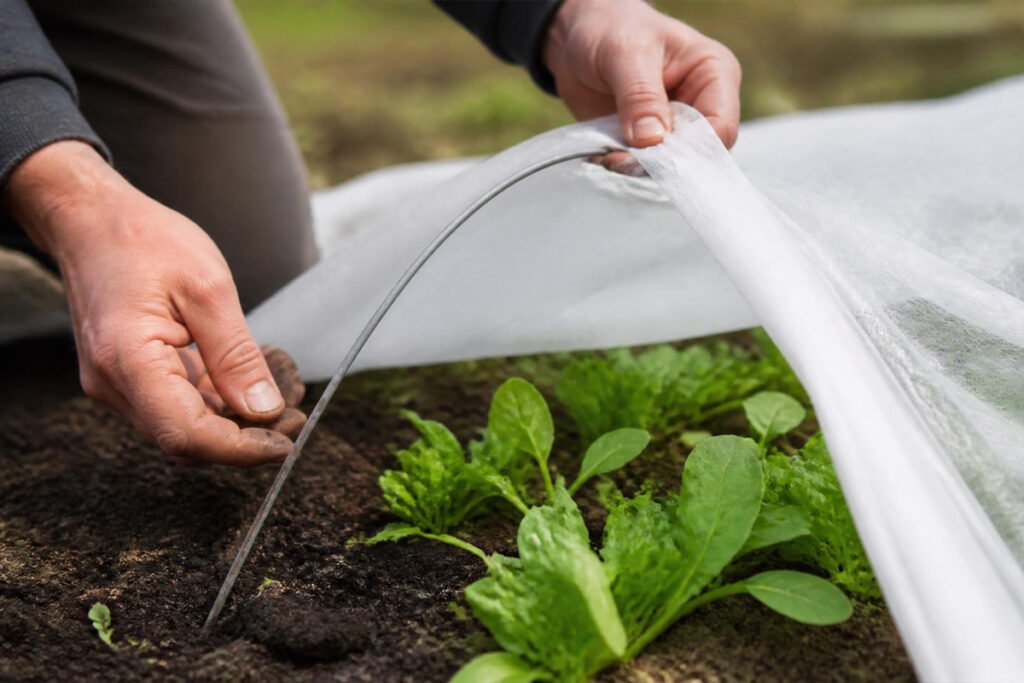
Overview: A lightweight, breathable fabric laid directly over plants or supported slightly above them, offering a few degrees of frost protection along with a secondary benefit of pest exclusion.
Why It Works: The fabric traps a thin layer of warmer air close to the plant surface while still allowing light, water, and air through, which is why it can stay on for extended periods without smothering the plants underneath. This dual function — mild temperature buffering plus a physical barrier against many flying pests — makes it one of the most versatile, low-effort protective tools available, useful well beyond just frost events.
Key Features:
- Breathable fabric allows light, water, and air through while trapping heat
- Doubles as a barrier against many common flying garden pests
- Lightweight enough to lay directly on plants without support structures
Best For: Light frost protection and ongoing pest exclusion across full rows or beds.
Pros: ✅ Inexpensive and reusable across seasons ✅ Dual-purpose frost and pest protection ✅ Simple to install without structural support
Cons: ❌ Provides only a few degrees of frost protection, not enough for a hard freeze ❌ Needs to be weighted or pinned down to prevent wind from blowing it off
Our Verdict: Worth buying as a first, versatile season extension product — the pest protection benefit alone often justifies the cost even outside of frost season, making this one of the highest-value products on this list for regular use.
Cold Frame
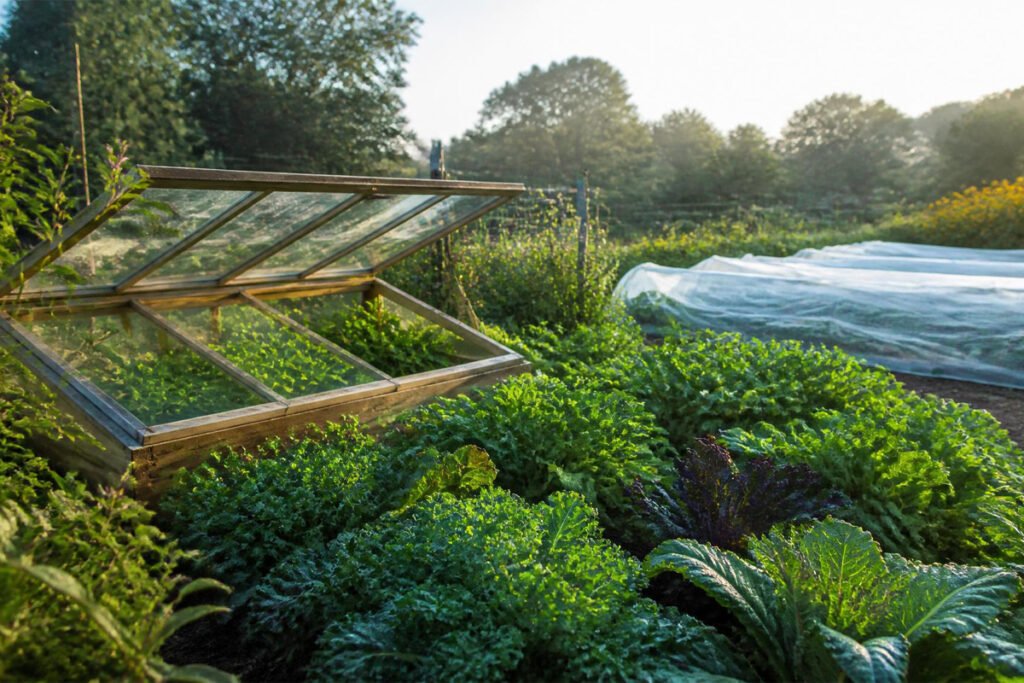
Overview: A low, box-shaped structure with a transparent lid, typically angled toward the sun, that creates a genuinely warmer, sheltered microclimate for seedlings and cold-hardy crops.
Why It Works: The transparent lid allows sunlight in while trapping the resulting heat inside the enclosed box, functioning similarly to a miniature greenhouse. This lets a cold frame maintain a meaningfully warmer internal temperature than the outside air for extended periods, making it effective not just for occasional frost protection but for genuinely extending how early seedlings can be hardened off or how late cold-hardy crops can keep producing into the cooler months.
Key Features:
- Transparent lid traps solar heat for a genuinely warmer microclimate
- Vented lid designs allow temperature regulation on sunnier days
- Effective for both spring hardening off and fall/winter harvest extension
Best For: Hardening off seedlings before transplanting, and extending harvests of cold-hardy crops like lettuce and spinach well into cooler months.
Pros: ✅ Creates a genuinely warmer growing environment, not just frost buffering ✅ Extends both ends of the growing season significantly ✅ Reusable structure lasting many years
Cons: ❌ Fixed size limits how much can be grown in one frame ❌ Requires venting on sunny days to avoid overheating inside
Our Verdict: Worth the investment for anyone serious about extending their growing season on both ends — this is the product on this list that does the most to genuinely add usable growing weeks, not just protect against a single cold event, and it pairs naturally with a raised bed already sized to fit one.
Low Tunnel (Hoop House)
Overview: A series of hoops installed over a garden row, covered in plastic sheeting or heavier row cover, creating an elongated tunnel that protects an entire row rather than a single bed.
Why It Works: Like a cold frame, a low tunnel traps solar heat under its covering, but its elongated shape makes it ideal for protecting full rows of crops rather than a compact bed area. Plastic sheeting versions trap significantly more heat than fabric row cover alone, functioning as a true mini-greenhouse over an entire row, while still being simple enough to remove and store when the season no longer requires it.
Key Features:
- Covers entire rows rather than a single bed or plant
- Plastic sheeting options trap more heat than fabric alone
- Removable and reusable across multiple seasons
Best For: Extending the season for full rows of crops rather than individual plants or a small defined bed, especially useful once a bed’s crop rotation moves in a cold-sensitive plant family.
Pros: ✅ Covers large areas efficiently ✅ Plastic versions provide strong heat retention ✅ Reusable hoop structure lasts many seasons
Cons: ❌ Plastic sheeting needs venting on warm days to avoid overheating ❌ More setup effort than laying flat row cover
Our Verdict: Worth buying specifically for gardeners with full rows to protect rather than isolated plants — it delivers much of a cold frame’s heat-trapping benefit across a far larger area, making it the better choice for anyone extending the season for an entire crop row.
Cloches
Overview: Small, individual covers — often bell-shaped or simple upturned containers — placed directly over single young plants to shield them during their most vulnerable early stage.
Why It Works: Newly transplanted seedlings are particularly susceptible to a late frost or unexpected cold snap before they’ve had time to establish and toughen up. A cloche traps a small pocket of warmer air directly around one plant, providing meaningful protection exactly when and where it’s needed most, without the cost or effort of covering an entire bed for the sake of a few vulnerable transplants.
Key Features:
- Protects individual plants during their most vulnerable early stage
- Simple, inexpensive options can be improvised from household containers
- Easy to remove once the plant has established and toughened up
Best For: Protecting individual, recently transplanted seedlings from a late spring frost.
Pros: ✅ Very inexpensive, even improvised from household items ✅ Targets protection exactly where it’s needed ✅ Simple to place and remove as needed
Cons: ❌ Impractical for protecting more than a few plants at once ❌ Can trap excess heat on sunny days if not vented or removed promptly
Our Verdict: Worth using specifically for early transplants during unpredictable spring weather — this is the most targeted, lowest-cost option here, ideal for protecting a handful of vulnerable seedlings without covering an entire bed.
Heavy Frost Blanket
Overview: A thicker, more insulating fabric than standard row cover, designed to provide significantly stronger protection during a genuine hard freeze rather than routine mild frost.
Why It Works: The denser weave provides more insulation than lightweight row cover, trapping more heat and holding it longer against a genuinely cold night, which makes it the right choice specifically when temperatures are expected to drop well below the light frost range that thinner covers are designed for. The tradeoff is that its thicker weave blocks more light, making it less suitable for extended daytime use compared to breathable row cover.
Key Features:
- Denser weave than standard row cover for stronger insulation
- Designed specifically for hard freeze protection, not routine daily use
- Reusable across multiple severe cold events per season
Best For: Protecting established plants during a specific, predicted hard freeze rather than for ongoing daily coverage.
Pros: ✅ Provides meaningfully stronger cold protection than standard row cover ✅ Reusable for multiple severe weather events ✅ Can be layered over row cover for extra protection
Cons: ❌ Blocks more light, so it’s not ideal left on for extended daytime periods ❌ Bulkier and heavier to store than lightweight row cover
Our Verdict: Worth keeping on hand specifically as backup protection for the occasional hard freeze warning — pair it with lightweight row cover for everyday use, and reserve the heavier blanket for the nights that genuinely call for it.
Comparison Table {#comparison-table}
| Product | Best For | Protection Level | Coverage Area | Reusability |
|---|---|---|---|---|
| Floating Row Cover | Light frost, pest exclusion | Light | Full rows/beds | High |
| Cold Frame | Season extension, hardening off | Strong | Small defined bed | Very High |
| Low Tunnel | Full-row season extension | Moderate–Strong | Full rows | High |
| Cloches | Individual young plants | Light–Moderate | Single plants | High |
| Heavy Frost Blanket | Hard freeze events | Strong | Full rows/beds | High |
Season Extension for Different Garden Setups {#different-setups}
Raised Bed Gardens
A cold frame fits naturally over a single raised bed, making it one of the easiest structural season extension products to add to an already-defined bed footprint without major additional construction.
Single-Plot In-Ground Gardens
Larger in-ground plots benefit most from low tunnels covering entire rows, since they extend protection efficiently across a bigger area than a cold frame’s fixed, compact size can manage.
Container and Small-Space Gardens
Container gardens can often rely on cloches or a small section of row cover, since individual pots are easy to cover directly without needing a full structural setup.
How to Install Season Extension Products Correctly {#how-to-install}
Step 1: Check the Forecast Before Choosing a Product
Match the product to the actual predicted temperature — lightweight row cover for a mild frost warning, a heavier blanket or structural option for a genuine hard freeze.
Step 2: Install Before the Cold Arrives, Not During It
Set up covers in the afternoon or evening before a predicted cold night, since covering already-cold plants traps in the cold rather than preventing heat loss in the first place.
Step 3: Secure Edges Against Wind
Weigh down or pin the edges of row cover and low tunnel plastic to prevent wind from lifting or displacing the covering overnight.
Step 4: Vent Structural Options on Sunny Days
Open cold frame lids or low tunnel ends during sunny days to prevent overheating, since trapped solar heat can quickly exceed what plants need even in cool weather.
Step 5: Remove Coverings Once the Threat Passes
Take off temporary protection like cloches and frost blankets once temperatures stabilize, reserving them for the next genuine cold event rather than leaving them on indefinitely.
Common Season Extension Mistakes {#common-mistakes}
Leaving heavy frost blankets on during warm, sunny days. Their light-blocking design isn’t meant for extended daytime coverage, and prolonged use can weaken plants that need consistent sunlight. Reserve heavier blankets for overnight use during genuine cold events.
Waiting until a cold night has already arrived to cover plants. Installing protection in advance, ideally in the afternoon while some ground warmth is still present, is far more effective than covering already-chilled plants after dark — the same proactive mindset behind checking soil temperature before transplanting rather than reacting after the fact.
Skipping venting on cold frames and low tunnels during sunny days. These structures trap heat efficiently enough that even a cool but sunny day can overheat plants inside if left completely sealed, undermining the same soil temperature awareness that guides good planting timing.
Expert Tips {#expert-tips}
Layer products for extra protection during severe cold snaps. Adding a heavy frost blanket over plants already under lightweight row cover provides meaningfully more protection than either product alone during an unusually hard freeze, especially for tender crops still establishing after transplanting from seed trays.
Use a cold frame to bridge your seasonal planting calendar. Starting cold-hardy crops in a cold frame a few weeks before your typical outdoor planting date can meaningfully extend your usable growing season on both ends.
Don’t forget pest exclusion benefits outside of frost season. Floating row cover’s breathable design makes it useful well beyond cold protection, working as an ongoing barrier against many common pests without needing a separate pest control product for that specific threat.
Final Thoughts {#final-thoughts}
Best overall: floating row cover, for its versatility across both frost protection and ongoing pest exclusion. Best for genuine season extension: a cold frame, which does the most to actually add usable growing weeks rather than just protecting against a single event. Best for a hard freeze: a heavy frost blanket, kept in reserve specifically for the nights that call for stronger protection.
None of these products need to be used in isolation — most gardens benefit from combining lightweight row cover for everyday use with one heavier structural or blanket option kept ready for genuine cold snaps. Paired with a solid seasonal planting calendar, the right season extension products can meaningfully stretch a growing season on both ends without relying on luck to avoid an early or late frost.
Frequently Asked Questions {#faq}
How many degrees of frost protection does floating row cover provide? Most lightweight row cover provides a few degrees of protection, enough for a light frost but generally not sufficient on its own for a hard freeze.
Can I leave a cold frame’s lid closed all day during winter? Not on sunny days — even in cold weather, a closed cold frame can overheat significantly under direct sun, so venting during the warmest part of the day is usually necessary.
What’s the difference between a low tunnel and a cold frame? A low tunnel covers an entire row using hoops and sheeting, while a cold frame is a fixed, box-shaped structure suited to a smaller, defined bed area.
Do cloches work for anything other than protecting from frost? Yes, cloches also help shield young transplants from wind and can create a slightly more humid microclimate that helps some seedlings establish more easily after transplanting.
How early can I start using a cold frame in spring? Many gardeners use cold frames several weeks before their region’s typical last frost date to begin hardening off seedlings or direct-sowing cold-hardy crops earlier than usual.
Is a heavy frost blanket reusable, or is it single-use? Heavy frost blankets are generally reusable across multiple cold events and seasons if stored properly and not left in prolonged direct sun exposure that could degrade the material over time.
Can row cover be used for pest control instead of frost protection? Yes, floating row cover’s breathable design makes it an effective physical barrier against many flying pests even outside of frost season, functioning as a dual-purpose product.
Do I need to remove row cover during the day? Lightweight, breathable row cover can often stay on continuously since it allows light and air through, though heavier frost blankets are better removed during sunny daytime hours.
What’s the most versatile season extension product for a beginner? Floating row cover is generally the easiest and most versatile starting point, offering both frost protection and pest exclusion without requiring a structural setup.
Can low tunnels be used in summer as well as for cold protection? Yes, some gardeners use fine mesh versions of low tunnels in summer for pest exclusion or light shading, separate from their cold-weather heat-retention use.
How do I know if I need a cloche or full row cover? Cloches suit protecting just a few individual young plants, while row cover is more efficient and cost-effective once you’re covering an entire row or bed of plants.
Does using season extension products replace the need to check a planting calendar? No — these products extend what’s possible on either end of the season, but they work best used alongside, not instead of, a seasonal planting calendar suited to your specific climate.
Author: Pamela Reese