Walk down the fertilizer aisle at any garden center and it’s easy to grab whatever bag has the biggest “ORGANIC” label and call it done. But not every organic amendment does the same job. Some feed nitrogen-hungry leafy crops fast. Others release phosphorus slowly over months to build strong roots and flowers. Buying the wrong one for the problem you actually have means spending money on a product that quietly does nothing for the specific issue in your bed.
The real value of organic fertilizers isn’t just that they’re “natural” — it’s that each one has a distinct nutrient profile and release speed, and knowing which does what turns fertilizing from a guessing game into a targeted fix. A gardener who understands why bone meal helps fruiting crops but does almost nothing for leafy greens will get dramatically better results than one buying based on packaging alone, especially when paired with good mulching habits that help retain whatever nutrients are applied.
This guide breaks down five organic fertilizers and amendments worth knowing, exactly how each one works in the soil, what specific problem it solves, and why it earns a place in your gardening budget — paired with good soil testing and crop rotation habits, not as a substitute for them.
Quick Answer
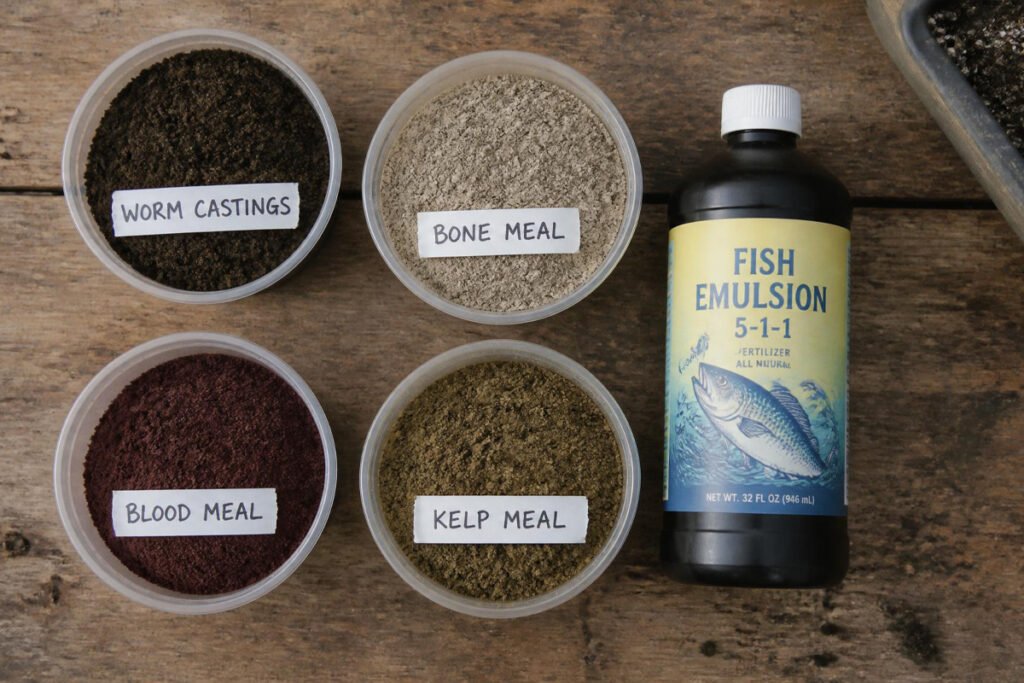
The best organic fertilizer depends on what your soil is actually missing and what you’re growing. Worm castings work as a gentle, all-purpose feed safe for seedlings and every crop type. Bone meal targets phosphorus for strong root and fruit development, especially in tomatoes and peppers. Blood meal delivers a fast nitrogen boost for leafy greens and nitrogen-hungry crops like corn. Fish emulsion offers a fast-acting, balanced liquid feed ideal for a quick mid-season pick-me-up. Kelp meal supplies trace minerals and natural growth compounds that improve overall plant resilience rather than one specific nutrient. Most gardens benefit from combining two or three of these rather than relying on just one.
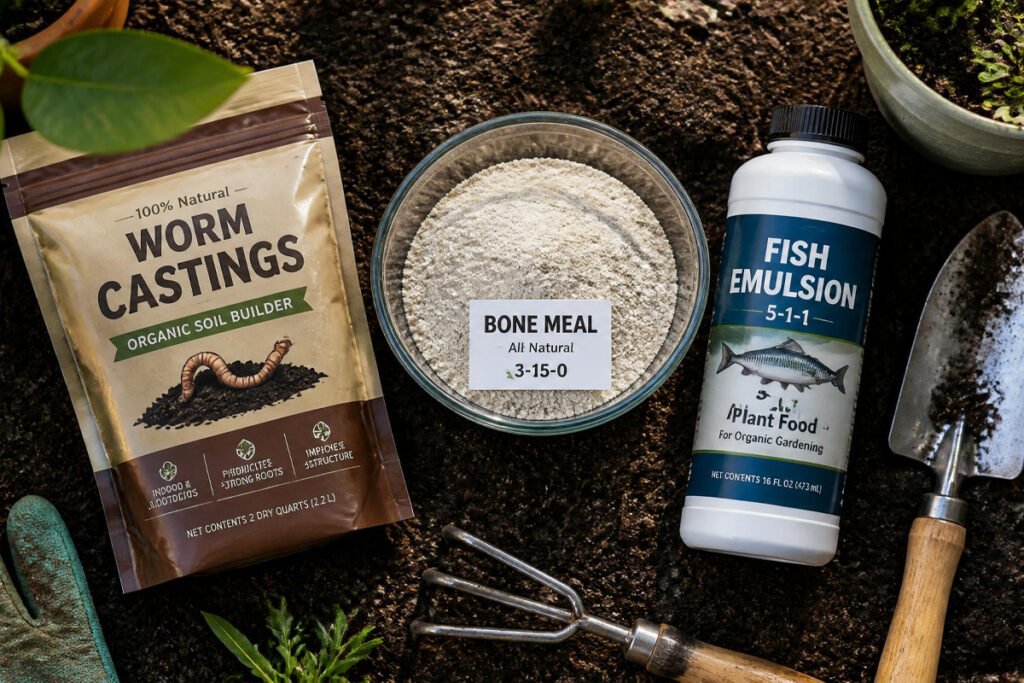
Table of Contents
- Why Different Amendments Do Different Jobs
- How to Choose the Right Amendment for Your Garden
- Best Organic Fertilizers & Soil Amendments
- Comparison Table
- Amendments for Different Garden Setups
- How to Apply Organic Amendments Correctly
- Common Fertilizing Mistakes
- Expert Tips
- Final Thoughts
- Frequently Asked Questions
Why Different Amendments Do Different Jobs {#why-amendments-differ}
Every organic amendment breaks down at a different speed and releases a different balance of nutrients as it does. This is the single most important thing to understand before buying anything: a fast-release liquid feed like fish emulsion acts within days, while a slow-release solid like bone meal can take months to fully break down and become available to roots.
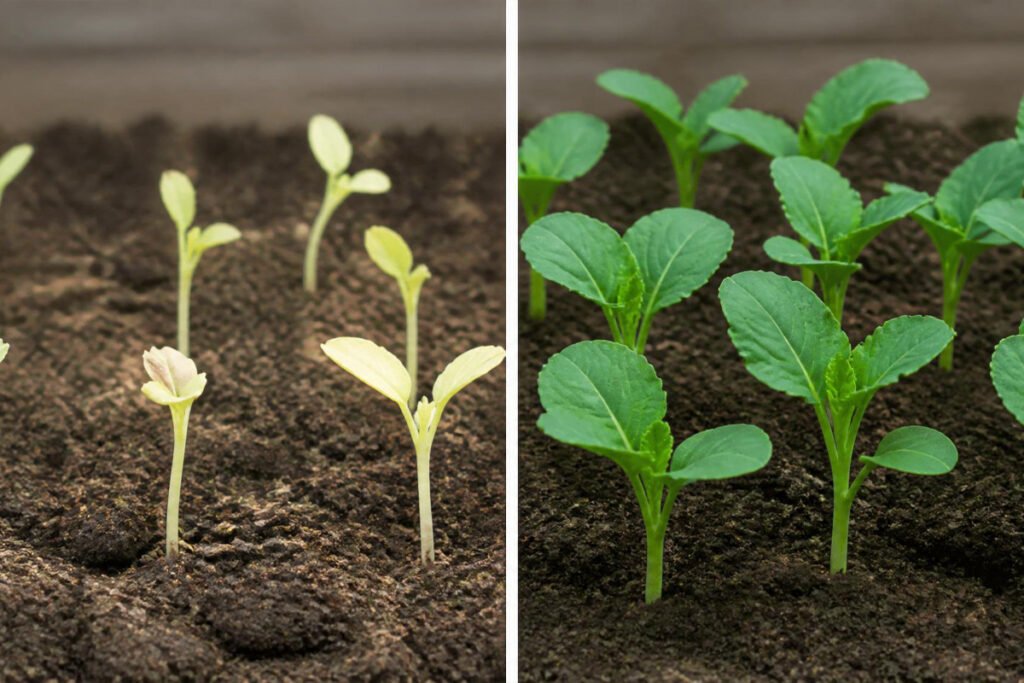
This matters because timing your amendment to your actual goal makes the difference between an effective fix and wasted money. A gardener trying to green up pale, nitrogen-starved lettuce with bone meal will see almost no improvement, since bone meal is phosphorus-heavy and nitrogen-light — the wrong tool for that specific job, even though it’s a perfectly good organic fertilizer for a different problem.
Pairing the right amendment with accurate soil pH testing matters just as much, since some nutrients — particularly phosphorus from bone meal — become far less available to roots when soil pH sits outside the ideal range, regardless of how much product you apply.
How to Choose the Right Amendment for Your Garden {#how-to-choose}
Before buying, answer three questions:
What symptom are you actually seeing? Pale, slow-growing leafy crops usually point to a nitrogen shortage. Poor flowering or small fruit often points to a phosphorus or potassium gap instead.
Do you need a fast fix or a long-term soil builder? Liquid feeds like fish emulsion act within days for an urgent green-up, while granular amendments like bone meal work over a full season for sustained results.
What are you growing this season? Leafy greens and heavy nitrogen feeders like corn need different support than fruiting crops like tomatoes and peppers, which lean more on phosphorus and potassium once they start setting fruit.
Best Organic Fertilizers & Soil Amendments {#best-amendments}
Worm Castings
Overview: The nutrient-rich waste product of composting worms, worm castings are one of the gentlest, most versatile organic amendments available, safe enough to use directly on seedlings without any risk of burning young roots.
Why It Works: Worm castings contain a balanced blend of nitrogen, phosphorus, and potassium in a form that’s already partially broken down by the worm’s digestive process, meaning plants can access the nutrients almost immediately without needing microbial breakdown first. They also introduce beneficial microbes directly into the soil, which improves how well plants take up nutrients from everything else you apply afterward.
Key Features:
- Safe to use at any growth stage, including on delicate seedlings
- Improves soil structure and microbial activity, not just nutrient levels
- Virtually impossible to over-apply or burn plants with
Best For: Seedlings, transplants, and as a gentle all-purpose feed across every stage of the growing season.
Pros: ✅ Extremely gentle and safe ✅ Improves soil biology, not just nutrient content ✅ Works for every crop type
Cons: ❌ More expensive per pound than bulkier amendments ❌ Nutrient concentration is lower than more targeted products
Our Verdict: Worth buying as your default, everyday amendment — it’s the safest choice when you’re unsure what else to use, and it improves the soil’s ability to use every other fertilizer you apply on top of it.
Bone Meal
Overview: A slow-release powder made from ground animal bones, prized specifically for its high phosphorus content, which drives strong root development and better flowering and fruiting.
Why It Works: Phosphorus is essential for energy transfer within plant cells, particularly during root establishment and the transition from flowering to fruit set. Bone meal releases this phosphorus gradually over several months as soil microbes break it down, providing sustained support through an entire fruiting season rather than one quick burst.
Key Features:
- High phosphorus content specifically supports root and fruit development
- Slow release provides nutrients over months, not days
- Best mixed into soil at planting time rather than surface-applied later
Best For: Tomatoes, peppers, squash, and other fruiting crops, especially when mixed in at transplant time.
Pros: ✅ Long-lasting, season-long release ✅ Directly supports fruit and root development ✅ Works especially well combined into planting holes
Cons: ❌ Does very little for nitrogen-hungry leafy crops ❌ Less effective in soil with a pH that’s too alkaline, since phosphorus becomes less available
Our Verdict: Worth buying specifically for fruiting crops — mix it directly into the soil when transplanting tomatoes or peppers rather than sprinkling it on the surface later, since its slow release depends on soil contact.
Blood Meal
Overview: A fast-acting, nitrogen-dense powder made from dried animal blood, used to green up pale, nitrogen-deficient plants quickly.
Why It Works: Blood meal has one of the highest nitrogen concentrations among common organic amendments, and unlike phosphorus-heavy bone meal, it becomes available to plants relatively quickly once worked into moist soil. This makes it the go-to fix specifically for visible nitrogen deficiency — pale, yellowing leaves and stalled leafy growth — rather than a general-purpose feed.
Key Features:
- High nitrogen concentration acts faster than most solid organic amendments
- Effective for correcting visible nitrogen deficiency symptoms
- Can also help deter some browsing animals due to its scent
Best For: Leafy greens, corn, and any crop showing pale, nitrogen-starved growth mid-season.
Pros: ✅ Fast-acting compared to other solid amendments ✅ Directly targets visible nitrogen deficiency ✅ Also has a mild animal-deterrent effect
Cons: ❌ Easy to over-apply and cause excess leafy growth at the expense of fruiting ❌ Strong smell when first applied
Our Verdict: Worth keeping on hand specifically as a targeted fix for pale, stalled leafy crops — but apply cautiously on fruiting crops like tomatoes, since too much nitrogen at the wrong stage pushes leaf growth over flowering and fruit.
Fish Emulsion
Overview: A liquid fertilizer made from processed fish byproducts, offering a fast-acting, well-rounded nutrient boost that’s absorbed almost immediately through both roots and leaves.
Why It Works: Because it’s already in liquid form, fish emulsion doesn’t need to break down in the soil the way solid amendments do, making it one of the fastest ways to correct a nutrient deficiency or give a general boost mid-season. It carries a broad nutrient profile plus trace minerals, making it useful as a general pick-me-up rather than a single-nutrient targeted fix.
Key Features:
- Liquid form allows fast root and foliar absorption
- Balanced nutrient profile suitable for general use across crop types
- Diluted with water for easy, even application
Best For: A quick mid-season boost for any struggling or slow-growing vegetable, applied as a soil drench or light foliar spray.
Pros: ✅ Fast-acting ✅ Versatile across nearly all vegetable types ✅ Easy to apply evenly since it’s liquid
Cons: ❌ Strong fishy odor, especially right after application ❌ Effects are shorter-lived than slow-release solid amendments
Our Verdict: Worth having on hand for exactly the moments when a plant looks like it needs help right now — it acts faster than any solid amendment on this list, making it the best emergency fix rather than a long-term soil builder, and it pairs naturally with a consistent watering routine since both act quickly to correct visible stress.
Kelp Meal (Seaweed Extract)
Overview: A dried seaweed-based amendment valued less for major nutrients like nitrogen or phosphorus and more for its dense concentration of trace minerals and natural plant growth compounds.
Why It Works: Kelp meal contains naturally occurring hormone-like compounds that support root development and general plant stress resilience, along with a wide range of micronutrients that are easy to overlook when focusing only on nitrogen, phosphorus, and potassium. Its main benefit isn’t fast growth — it’s steadier, more resilient plants that handle heat, transplant shock, and minor stress better over the course of a season.
Key Features:
- Rich in trace minerals often missing from major fertilizers
- Contains natural compounds linked to improved root development and stress tolerance
- Available as a dry meal for soil mixing or as a liquid concentrate
Best For: Improving overall plant resilience and micronutrient levels, especially in soil that’s been in continuous vegetable production for several seasons.
Pros: ✅ Supplies micronutrients other amendments often miss ✅ Supports stress tolerance, not just growth speed ✅ Works well combined with any other amendment on this list
Cons: ❌ Not a substitute for major nutrients if nitrogen or phosphorus levels are genuinely low ❌ Benefits are less immediately visible than nitrogen or phosphorus-focused products
Our Verdict: Worth adding as a supporting amendment alongside one of the more targeted options above, rather than relying on it alone if your soil test shows a specific major nutrient deficiency.
Comparison Table {#comparison-table}
| Amendment | Best For | Speed | Key Nutrient | Beginner-Friendly |
|---|---|---|---|---|
| Worm Castings | All-purpose, seedlings | Fast, gentle | Balanced N-P-K | Yes |
| Bone Meal | Root/fruit development | Slow (months) | Phosphorus | Yes |
| Blood Meal | Leafy greens, fast greening | Moderate–Fast | Nitrogen | Moderate |
| Fish Emulsion | Quick mid-season boost | Very fast | Balanced N-P-K | Yes |
| Kelp Meal | Micronutrients, stress resilience | Gradual | Trace minerals | Yes |
Amendments for Different Garden Setups {#different-setups}
Raised Bed Gardens
Raised beds often start with purchased soil that’s already reasonably balanced, so worm castings and an occasional dose of fish emulsion typically cover most seasonal needs without heavy use of bone or blood meal.
Single-Plot In-Ground Gardens
Larger in-ground plots benefit from a more targeted approach — using soil testing to identify specific deficiencies, then applying bone meal or blood meal directly where the data shows a genuine gap, rather than blanket-applying every amendment across the whole plot.
Container and Small-Space Gardens
Container gardens lose nutrients faster than in-ground beds since watering flushes them out more easily, making fast-acting fish emulsion a particularly useful regular top-up alongside a base of worm castings mixed into the potting soil.
How to Apply Organic Amendments Correctly {#how-to-apply}
Step 1: Test Before You Guess
Use a soil test or watch for specific plant symptoms to identify what’s actually missing before choosing an amendment, rather than applying products based on habit alone.
Step 2: Mix Slow-Release Amendments in at Planting Time
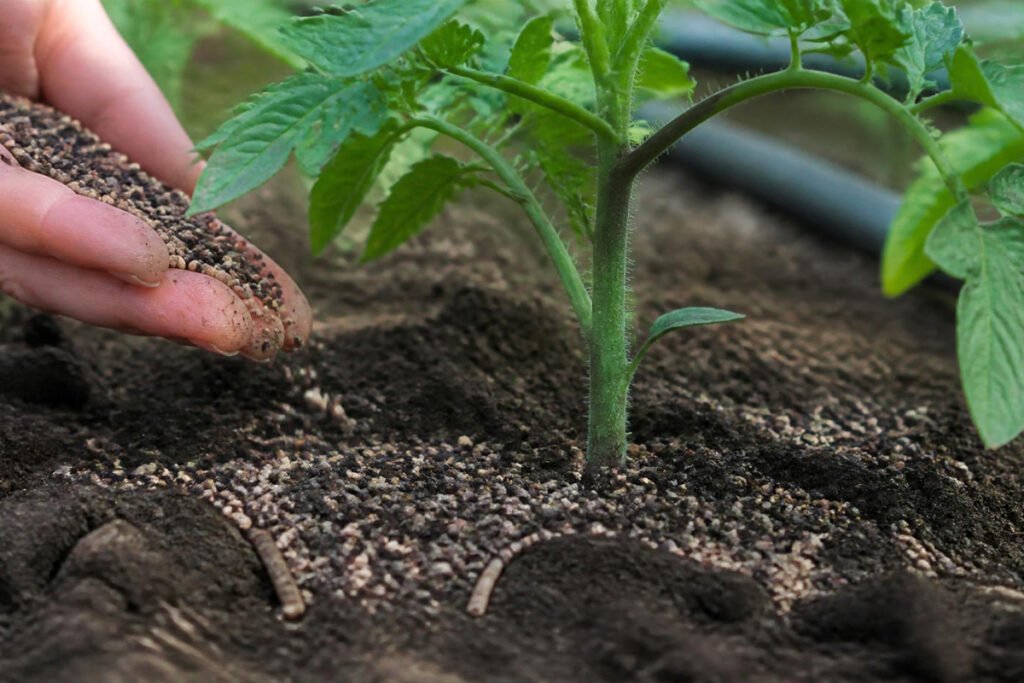
Work bone meal or similar slow-release products directly into the planting hole or bed at transplant time, since they depend on soil contact to break down and become available.
Step 3: Apply Fast-Acting Liquids Mid-Season as Needed
Use fish emulsion or a diluted liquid feed when plants show visible signs of stress or slow growth partway through the season, rather than waiting for the next full planting cycle.
Step 4: Water Thoroughly After Applying
Water in any solid or granular amendment immediately after application to help it begin integrating into the soil and reduce the risk of surface nutrient runoff.
Step 5: Reassess Before Reapplying
Wait a few weeks and observe plant response before applying more of the same amendment — most over-fertilizing mistakes come from reapplying too soon rather than the product itself being wrong.
Common Fertilizing Mistakes {#common-mistakes}
Using nitrogen-heavy amendments on fruiting crops too late in the season. Too much blood meal or nitrogen after tomatoes and peppers start flowering pushes leafy growth at the expense of fruit. Shift toward phosphorus-focused bone meal once flowering begins.
Applying amendments without testing first. Guessing at a deficiency instead of confirming it with a soil test often means treating the wrong problem entirely, wasting both money and time.
Assuming “organic” means impossible to overdo. Blood meal and other concentrated organic amendments can still overwhelm young plants if applied too heavily — follow package rates rather than assuming more is always better because it’s natural, and lean on companion planting and rotation to reduce how much fertilizer any single bed needs in the first place.
Expert Tips {#expert-tips}
Combine amendments instead of relying on just one. Worm castings as a base, with bone meal at planting and fish emulsion mid-season, covers most nutrient needs across an entire growing season far better than any single product alone.
Match amendment choice to your crop rotation phase. If your rotation plan is moving heavy-feeding fruiting crops into a bed, add bone meal at planting; if it’s a leafy green phase, lean more on blood meal or worm castings instead.
Don’t skip kelp meal just because results are less visible. Micronutrient and stress-tolerance benefits build up over a season rather than showing immediate dramatic growth, but they meaningfully reduce how much plants struggle during heat waves or after transplanting.
Final Thoughts {#final-thoughts}
Best overall: worm castings, as a safe, gentle, all-purpose base amendment for every stage of the season. Best for fruiting crops: bone meal, mixed in at transplant time. Best emergency fix: fish emulsion, for a fast response when a plant looks like it needs help right now.
The real skill in organic fertilizing isn’t buying every product on the shelf — it’s matching the right amendment to the specific problem your soil or plants are actually showing. Combined with regular soil testing and a sensible crop rotation plan, these five amendments cover nearly every nutrient need a home vegetable garden will run into across a full season.
Frequently Asked Questions {#faq}
Do I need to buy all five of these amendments? No — worm castings alone cover most general needs, with bone meal and fish emulsion as the next two most useful additions for fruiting crops and quick fixes respectively.
How do I know if my plants need nitrogen versus phosphorus? Pale, slow leafy growth typically signals a nitrogen shortage, while poor flowering, small fruit, or weak root development often points to a phosphorus gap instead — a soil test confirms which one you’re actually dealing with.
Can I use these organic amendments alongside synthetic fertilizer? Yes, though most gardeners choosing organic amendments do so specifically to avoid synthetic products — combining the two isn’t harmful, but it defeats much of the point of going organic in the first place.
Is bone meal safe to use around pets? Bone meal’s smell can attract dogs to dig in treated areas, so it’s worth mixing it fully into the soil rather than leaving it on the surface if pets have access to the garden.
How long does fish emulsion smell last after application? The odor is typically strongest for the first day or two after application and fades significantly within about a week as it’s absorbed and washed into the soil.
Can I make my own worm castings instead of buying them? Yes, a home vermicomposting bin using red wiggler worms can produce a steady supply of castings over time, though buying them is faster if you don’t already have a worm bin established.
Do these amendments work in containers as well as in-ground beds? Yes, though containers benefit from more frequent light applications since nutrients wash out faster with regular watering in a confined soil volume.
Is kelp meal worth buying if my soil test shows normal nutrient levels? Yes — kelp meal’s main value is in trace minerals and stress resilience rather than correcting a major nutrient deficiency, so it’s useful even when nitrogen, phosphorus, and potassium levels test normal.
How often should I apply organic fertilizers during the growing season? This varies by product — slow-release amendments like bone meal are typically applied once at planting, while fast-acting fish emulsion can be reapplied every few weeks during active growth if needed.
Can over-fertilizing with organic amendments harm my plants? Yes, particularly with concentrated products like blood meal, which can burn roots or push excessive leafy growth at the expense of fruit if applied too heavily or too often.
What’s the best amendment for a brand-new garden bed? Bone meal mixed into the soil at bed preparation gives new plantings a strong root-development foundation, ideally combined with worm castings for a gentler, more balanced overall start.
Do organic amendments improve soil long-term, or just feed plants short-term? Amendments like worm castings and kelp meal improve soil biology and structure over time, while more concentrated products like blood and bone meal act more as direct nutrient sources than long-term soil builders.
Author: Pamela Reese