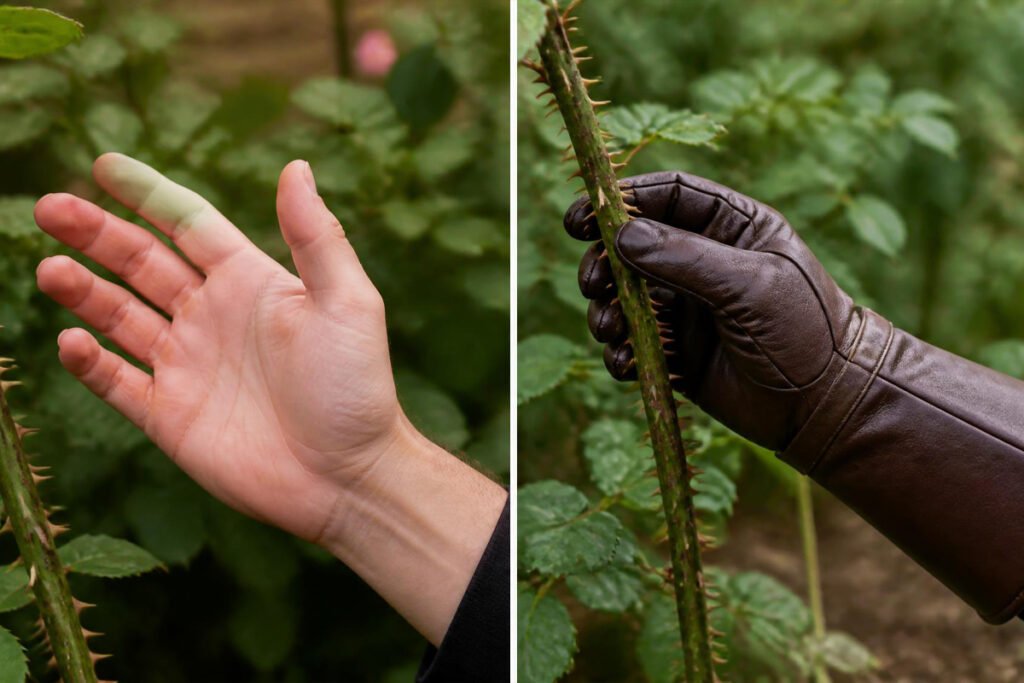
Most gardeners learn the importance of good gloves the hard way — a rose thorn through a thin cotton pair, a splinter from a raised bed edge, or hands raw from an afternoon of weeding bare-handed. The right gloves aren’t just about comfort; they’re protection against thorns, blisters, poison ivy oils, soil-borne bacteria, and the kind of small daily wear that adds up over a full growing season.
Not every gardening task needs the same glove, though. Deadheading roses calls for something very different from turning compost or transplanting seedlings. This guide breaks down the best gardening gloves of 2026 for different tasks, how to choose between them, and the mistakes that leave gardeners reaching for a fresh pair every season instead of one that lasts. Once your hands are covered, pair this with our Backyard Garden Tools: Essential Gear for Every Gardener guide to round out your kit.
Quick Answer
The best gardening glove depends on the job. For thorny plants like roses and brambles, a long gauntlet-style leather glove protects the forearm as well as the hand. For everyday planting, weeding, and general garden chores, a thin, breathable leather or synthetic-leather glove gives the best balance of dexterity and protection. For wet, cold-weather work, an insulated, water-resistant glove keeps hands warm and dry. And for quick, low-stakes tasks, a multipack of coated work gloves is cheap enough to keep several pairs on hand at once.
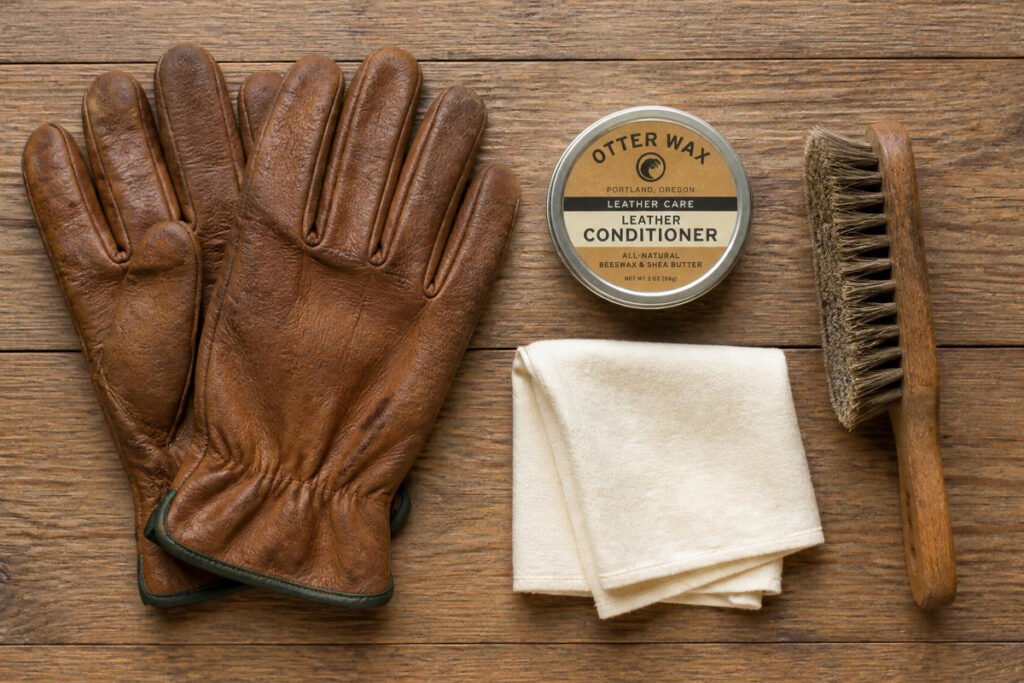
Table of Contents
- Why Gardening Gloves Matter
- How to Choose the Right Gardening Gloves
- Best Gardening Gloves Available
- Comparison Table
- Best Gloves for Different Garden Tasks
- How to Care for Leather Gardening Gloves
- Common Mistakes
- Expert Tips
- Final Thoughts
- Frequently Asked Questions
Why Gardening Gloves Matter
Bare-handed gardening exposes skin to more than just dirt. Thorns and splinters cause the obvious injuries, but soil itself carries bacteria like tetanus-causing Clostridium tetani, and common garden plants — poison ivy, poison oak, stinging nettle — cause painful reactions on contact. Repeated bare-handed weeding and digging also causes blisters and calluses that make gardening less enjoyable over time, not more.
A properly fitted glove solves all of this without sacrificing much dexterity, provided you match the glove to the task. Extension health and safety guidance consistently recommends gloves as a first-line protective measure for home gardeners, alongside basics like closed-toe shoes and eye protection when using power tools.
How to Choose the Right Gardening Gloves
Ask yourself these three questions before buying:
1. What will you mostly be doing while wearing them? Thorny pruning calls for thick, puncture-resistant leather with forearm coverage. Seed starting and transplanting calls for thin, close-fitting gloves that preserve fingertip feel.
2. Does fit matter more than toughness for your tasks? A too-loose glove reduces dexterity and grip regardless of material quality — always check a brand’s sizing chart rather than guessing, especially for leather gloves that won’t stretch much.
3. Will you be gardening in wet or cold conditions? Standard leather gloves stiffen and lose flexibility when soaked repeatedly. If you garden through wet spring weather or into a cold fall, a dedicated water-resistant or insulated pair is worth the separate purchase.
Best Gardening Gloves Available
1. HANDLANDY Long Leather Gauntlet Gloves
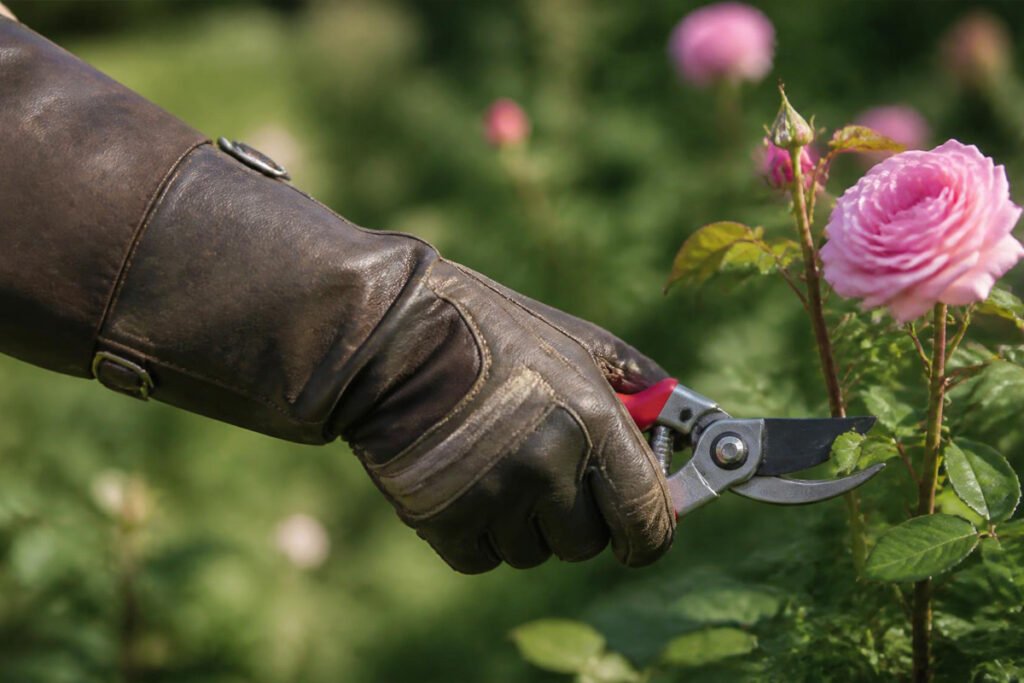
Overview: A long, elbow-length leather glove built specifically for rose pruning and other thorny work. The extended cuff protects the forearm from scratches when reaching into dense, thorny growth, while the pigskin leather palm stays supple even after repeated use.
Key Features:
- Elbow-length synthetic leather sleeve with drawstring cuff
- Thorn-resistant pigskin or cowhide leather palm and fingers
- Reinforced stitching at stress points
- Breathable material for extended wear
Best For: Rose pruning, bramble clearing, and any task involving reaching into thorny or dense growth.
Pros: ✅ Excellent forearm protection ✅ Genuinely thorn-resistant ✅ Comfortable for extended sessions Cons: ❌ Bulkier than short gloves, less ideal for fine detail work ❌ Can feel warm in summer heat
Our Verdict: If roses, blackberries, or any thorny shrub are a regular part of your garden, this is the glove that finally stops the scratches other gloves let through.
2. WOHEER Leather Thorn-Proof Gardening Gloves
Overview: A well-rounded, mid-length leather glove designed as an everyday all-purpose option — thick enough to resist thorns and abrasion, but flexible enough for general planting, weeding, and yard work without feeling clumsy.
Key Features:
- Genuine leather palm and fingers
- Reinforced fingertips for puncture resistance
- Breathable mesh back panel
- Adjustable wrist closure
Best For: Gardeners who want one reliable, everyday glove that handles most tasks well.
Pros: ✅ Strong all-around balance of protection and dexterity ✅ Breathable for long wear ✅ Durable leather construction Cons: ❌ Not as protective as a full gauntlet for heavy thorns ❌ Leather requires occasional conditioning
Our Verdict: For most home gardeners, this is the single pair that gets reached for most often — protective enough for rough work, flexible enough for planting.
3. Gold Leaf Tough Touch Gloves
Overview: A premium leather glove known for exceptional fit and long-term durability, favored by gardeners who spend many hours a week in the garden and want a glove built to outlast a season rather than be replaced.
Key Features:
- Soft, supple leather that molds to hand shape over time
- Snug, tailored fit sized specifically for men’s and women’s hands
- Reinforced palm for durability
- Elasticated wrist for a secure, comfortable fit
Best For: Frequent gardeners who want a long-lasting, comfortable glove for daily use.
Pros: ✅ Exceptional comfort and fit ✅ Long-lasting with proper care ✅ Excellent dexterity for detail work Cons: ❌ Premium price point ❌ Less thorn protection than a gauntlet-style glove
Our Verdict: A worthwhile upgrade for anyone gardening several days a week who wants a glove that feels like a second skin rather than a barrier.
4. PU/Latex Coated Work Gloves (10-Pack)
Overview: A budget multipack of lightweight, latex-coated work gloves — the practical choice for keeping several pairs on hand for quick tasks, guests helping out in the garden, or simply not worrying about losing one.
Key Features:
- Breathable knit shell with latex or PU-coated palm
- Excellent grip, even when wet
- Machine washable
- Sold in multipacks for easy replacement
Best For: Quick daily tasks, messy jobs, and households where more than one person gardens.
Pros: ✅ Very affordable per pair ✅ Great grip for handling tools and pots ✅ Easy to replace when worn out Cons: ❌ Minimal thorn or puncture protection ❌ Less durable long-term than leather
Our Verdict: Not a substitute for a dedicated thorn-proof glove, but the practical everyday choice for light jobs where you don’t want to reach for your good pair.
5. Briers Insulated Gardening Gloves
Overview: A fleece-lined, water-resistant glove built specifically for cold, wet-weather gardening — fall cleanup, winter pruning, and early spring bed prep when standard leather gloves would soak through and stiffen.
Key Features:
- Fleece lining for warmth
- Water-resistant outer shell
- Textured grip palm
- Available in multiple sizes for a snug fit
Best For: Cold-weather gardening tasks and gardeners in wetter climates who work outside through fall and winter.
Pros: ✅ Keeps hands warm in cold conditions ✅ Water-resistant shell ✅ Comfortable for extended outdoor sessions Cons: ❌ Too warm for summer use ❌ Bulkier fit reduces fine dexterity
Our Verdict: A seasonal specialist rather than an everyday glove, but genuinely necessary if you garden through cold, wet months rather than packing tools away for winter.
Comparison Table
| Product | Best For | Material | Forearm Coverage | Approx. Cost |
|---|---|---|---|---|
| HANDLANDY Gauntlet Gloves | Rose pruning, thorny work | Leather + synthetic sleeve | Yes (elbow-length) | $$ |
| WOHEER Thorn-Proof Gloves | Everyday all-purpose use | Leather | Partial (wrist) | $$ |
| Gold Leaf Tough Touch | Frequent, detailed garden work | Premium leather | No | $$$ |
| PU/Latex Work Gloves (10-pack) | Quick tasks, multiple users | Knit + latex coating | No | $ |
| Briers Insulated Gloves | Cold, wet-weather gardening | Fleece + water-resistant shell | No | $$ |
Best Gloves for Different Garden Tasks
For Rose and Thorny Shrub Care
A long gauntlet glove like the HANDLANDY protects the forearm, not just the hand, which matters when reaching into dense, thorny growth. Pair it with our 5 Best Garden Gadgets & Accessories Every Home Gardener Needs guide for the rest of your pruning kit.
For Everyday Planting and Weeding
A thinner, close-fitting leather glove like the WOHEER preserves enough dexterity for handling seeds and small transplants while still protecting against splinters and soil-borne bacteria.
For Cold-Weather and Fall Cleanup
Insulated, water-resistant gloves keep hands functional through wet, cold conditions that would otherwise cut a gardening session short. This is also the season covered in our 5 Best Row Covers & Season Extension Products for Vegetable Gardens guide, for protecting plants alongside your hands.
How to Care for Leather Gardening Gloves
Step 1: Knock Off Dirt After Each Use
Tap gloves together or brush off dried soil before storing, since ground-in dirt breaks down leather fibers over time.
Step 2: Air Dry, Never Force-Dry
If gloves get wet, let them air dry away from direct heat. Radiators, dryers, and direct sun cause leather to crack and stiffen.
Step 3: Condition Leather Periodically
A light leather conditioner every few months keeps the material supple and prevents cracking, especially for gloves used weekly.
Step 4: Store Gloves Flat or Hanging
Stuffing gloves into a bag or bucket long-term deforms their shape. A hook or flat shelf keeps them ready to grab and correctly shaped.
Step 5: Retire Gloves With Worn Palms or Torn Seams
Once the palm thins out or seams start separating, protection drops significantly — replace rather than push a worn pair through another season of thorny work.
Common Mistakes
1. Using the same thin glove for thorny and light work. A single lightweight glove can’t do both jobs well — thorns will get through what’s fine for weeding. Keep at least one thicker pair for rough work.
2. Buying the wrong size “to be safe.” An oversized glove reduces grip and control, which is more likely to cause an accident than a snug, properly sized glove. Always check the brand’s specific sizing chart.
3. Letting leather gloves dry stiff without conditioning. Skipping conditioning after gloves get wet repeatedly shortens their lifespan dramatically and makes them uncomfortable well before they actually wear out.
Expert Tips
1. Keep a cheap multipack on hand for guests and quick jobs. Save your good leather gloves for real work, and grab a coated work glove for a five-minute task so the good pair lasts longer.
2. Size gloves by material. Leather gloves fit snugger over time as they break in, so it’s safer to size slightly snug rather than loose. Synthetic or knit gloves tend to run true to size.
3. Match glove thickness to the season, not just the task. A glove that’s perfect for spring planting can feel clumsy for winter pruning once you add a base layer underneath — keep a seasonal pair in rotation rather than forcing one glove to do everything year-round.
Final Thoughts

For most home gardeners, the right glove drawer has two or three pairs: a long gauntlet glove like the HANDLANDY for thorny work, an everyday all-purpose glove like the WOHEER for general tasks, and a cheap multipack for quick jobs and guests. Add a seasonal insulated pair if you garden through cold or wet months. For next steps, see our Backyard Garden Tools: Essential Gear for Every Gardener and 5 Best Organic Pest Control Products for Vegetable Gardens guides.
Frequently Asked Questions
Do I really need gauntlet-length gloves, or are regular gloves enough? Regular gloves are fine for most tasks, but if you regularly prune roses, blackberries, or other thorny plants, gauntlet-length gloves protect the forearm from scratches that short gloves simply don’t cover.
How long do good leather gardening gloves usually last? With regular conditioning and proper drying, a quality leather glove can last several full growing seasons. Budget synthetic gloves typically last one season of regular use before the coating or seams wear out.
Can gardening gloves protect against poison ivy? A well-fitted glove with good wrist coverage significantly reduces contact, but poison ivy oil can transfer to skin if it gets on the outside of a glove and you touch your face or another exposed area — wash hands and glove exteriors after working near it.
Are leather or synthetic gloves better for gardening? Leather offers better puncture and thorn resistance and molds to your hand over time. Synthetic and coated gloves are cheaper, dry faster, and are easier to replace — many gardeners keep both types for different tasks.
What size gardening gloves should I buy? Measure your hand’s circumference around the knuckles (excluding the thumb) and check the specific brand’s size chart, since sizing varies meaningfully between manufacturers, especially for leather gloves that don’t stretch much.
Can I machine wash gardening gloves? Coated fabric and knit gloves are often machine washable — check the label. Leather gloves should never be machine washed; spot clean and condition instead.
Do I need different gloves for wet weather? Yes, if you garden regularly in wet or cold conditions. Standard leather stiffens when soaked repeatedly, while a dedicated water-resistant, insulated glove stays functional and comfortable through fall and winter work.
Author: ProGardeningTips Editorial Team Last Updated: August 2026
Pingback: 7 Best Garden Kneelers & Kneeling Pads for Pain-Free Gardening: Proven Top Picks & Buying Guide | Pro Gardening Tips – Expert Advice for a Thriving Garden