If you’ve ever finished an afternoon in the yard with sore hands, a bent trowel, or pruning shears that mangled a stem instead of cutting it cleanly, you already know that not all garden hand tools are created equal. Cheap, poorly designed tools don’t just slow you down — they can tear plant tissue, invite disease, and leave you nursing blisters instead of enjoying your garden.
The good news is that a small, well-chosen set of hand tools covers almost everything a home gardener needs: one good pair of pruning shears, one solid trowel, and a couple of specialty tools for weeding and digging. In this guide, we break down the best garden hand tools of 2026, how to choose between them, and the mistakes that quietly ruin good tools before their time. If you’re just getting your kit together, it pairs well with our guide on Backyard Garden Tools: Essential Gear for Every Gardener and our Year-Round Backyard Gardening seasonal guide.
Quick Answer
The best garden hand tool depends on the job. For pruning live stems, branches, and rose canes, a bypass pruning shear like the Felco 2 or Fiskars Bypass Pruner is the standard choice. For digging, planting, and transplanting, a carbon-steel or stainless-steel trowel with a full tang and ergonomic handle gives the best balance of strength and comfort. For pulling weeds by the root, a hand weeder with a forked or serrated tip beats a trowel every time. If you only buy one tool this year, start with a quality bypass pruner — it’s the tool most gardening tasks come back to.
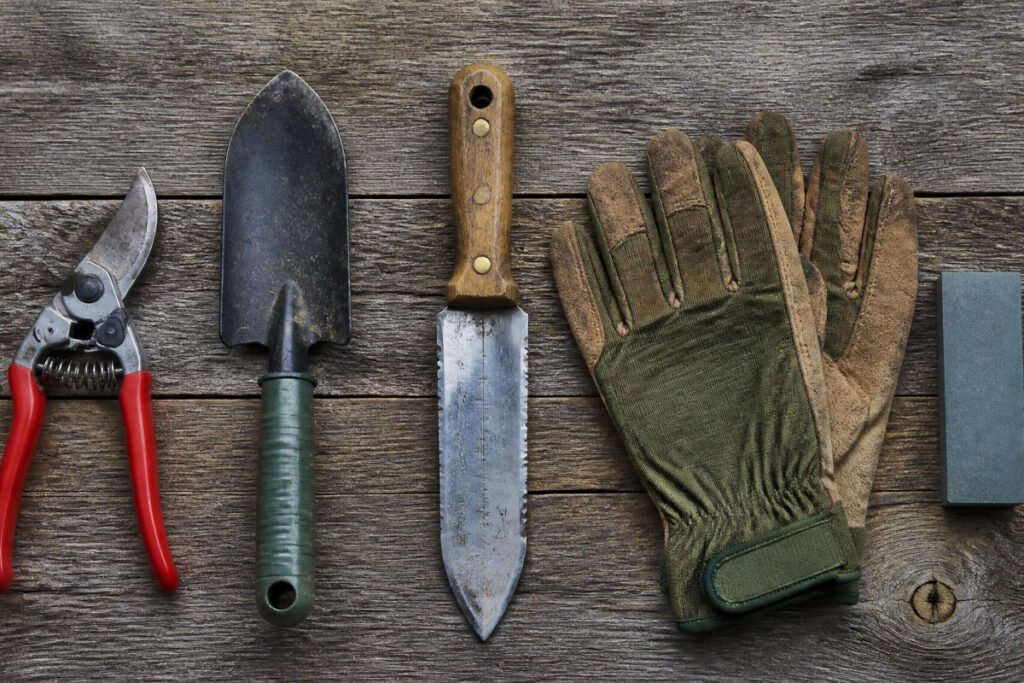
Table of Contents
- What Are Garden Hand Tools and Why They Matter
- How to Choose the Right Garden Hand Tools
- Best Garden Hand Tools Available
- Comparison Table
- Best Hand Tools for Different Garden Tasks
- How to Use and Maintain Garden Hand Tools Correctly
- Common Mistakes
- Expert Tips
- Final Thoughts
- Frequently Asked Questions
What Are Garden Hand Tools and Why They Matter
Garden hand tools are the small, manually operated implements — pruning shears, trowels, hand weeders, cultivators, and gardening knives — that handle the close-up work power tools can’t: shaping a shrub, lifting a seedling, or getting a taproot out of clay soil without damaging the roots around it.
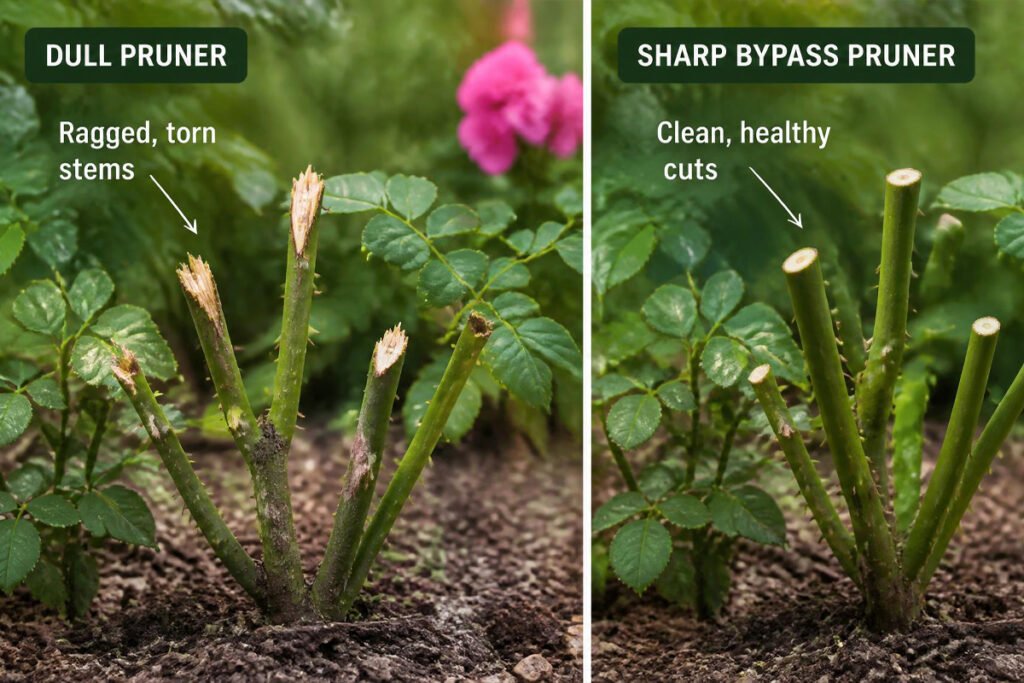
The reason quality matters here more than with almost any other garden purchase is biology, not just convenience. A dull pruning blade crushes plant tissue instead of slicing it, which slows healing and opens the door to fungal and bacterial infection. A flimsy trowel that bends under pressure forces you to use more force than necessary, increasing the odds of snapping a root ball or straining your wrist. Good tools aren’t a luxury — they directly affect plant health. If you’re setting up a new bed this season, this pairs naturally with our Backyard Garden Soil Health guide.
How to Choose the Right Garden Hand Tools
Before buying, ask yourself three questions:
1. What will you actually be doing most often? Someone who mostly deadheads flowers and trims small shrubs needs a lighter, precision pruner. Someone managing fruit trees or thick hedges needs a heavier-duty bypass shear with more cutting capacity.
2. How much hand strength and grip comfort do you need? If you have arthritis, smaller hands, or do long stretches of garden work, prioritize ergonomic grips, lighter blade materials, and — for pruning — consider a ratchet mechanism that multiplies your grip strength.
3. Do you want tools you can repair, or ones you’ll replace? Premium brands like Felco and DeWit sell replacement blades, springs, and handles, so a $60–$70 pruner can last decades. Budget tools are cheaper upfront but are usually disposable once the blade dulls.
According to horticultural extension guidance from land-grant universities, using clean, sharp tools and disinfecting blades between plants is one of the simplest ways to reduce the spread of plant disease in a home garden — a detail worth keeping in mind no matter which tools you buy.
Best Garden Hand Tools Available
1. Felco 2 Classic Bypass Pruning Shears
Overview: The Felco 2 is a Swiss-made bypass pruner widely regarded as the professional benchmark. It has a forged aluminum handle, a hardened steel blade, and a fully repairable design — every part, from the spring to the blade, can be replaced individually.
Key Features:
- Precision-ground, hardened steel bypass blade
- Cast aluminum alloy handle, lightweight but rigid
- Fully disassemble-able and repairable
- Wire-cutting notch built into the blade
- Rotating handle versions available for reduced hand fatigue
Best For: Serious home gardeners, rose growers, and anyone who wants one pruner to last a lifetime.
Pros: ✅ Exceptional cut quality on live stems ✅ Repairable indefinitely ✅ Comfortable for extended use Cons: ❌ Higher upfront price than most home-garden pruners ❌ Not ideal for very thick or dead wood
Our Verdict: For most home gardeners, the Felco 2 is the single hand tool worth spending more on, since it’s the one you’ll reach for on nearly every visit to the garden.
2. Fiskars Bypass Pruning Shears
Overview: The Fiskars Bypass Pruner is the budget-friendly workhorse of the pruning world — a softgrip-handled bypass shear that handles everyday trimming, deadheading, and light branch work without the premium price tag.
Key Features:
- Precision-ground steel blade with non-stick coating
- Softgrip handle for comfort
- Spring-action opening with a simple safety lock
- Lightweight design for long sessions
Best For: Beginners, casual gardeners, and anyone who wants a reliable second pruner for light jobs.
Pros: ✅ Very affordable ✅ Comfortable softgrip handle ✅ Widely available Cons: ❌ Not repairable piece-by-piece like premium models ❌ Cutting capacity is limited on thicker branches
Our Verdict: A great starter or backup pruner, especially for flower beds and light shrub maintenance rather than heavy branch cutting.
3. DeWit Hand-Forged Planting Trowel
Overview: DeWit is a Dutch manufacturer known for hand-forged, full-tang garden tools. Their planting trowel has a tempered carbon-steel head that runs continuously into the handle (rather than being riveted on), which is what gives it its reputation for surviving rocky and clay soils without bending.
Key Features:
- Full-tang, hand-forged carbon steel construction
- Pointed, beveled tip for precision planting
- Ash wood handle
- Backed by a lifetime warranty from the manufacturer
Best For: Gardeners with heavy, rocky, or clay-heavy soil who need a trowel that won’t bend or snap.
Pros: ✅ Extremely durable, full-tang build ✅ Cuts cleanly through tough soil ✅ Long-term warranty support Cons: ❌ Heavier than lightweight aluminum trowels ❌ Premium price point
Our Verdict: If you’ve bent or broken trowels before, this is the upgrade that solves that problem for good. Works well alongside our [soil preparation for new beds] guide.
4. Corona ComfortGEL Trowel
Overview: A stainless-steel trowel with a soft ComfortGEL grip, built for everyday digging and planting rather than heavy prying work. It punches well above its price point for general-purpose garden use.
Key Features:
- Stainless-steel blade resists rust
- ComfortGEL non-slip grip
- Polished blade releases soil cleanly
- Lightweight, easy to maneuver in containers and raised beds
Best For: Container gardening, raised beds, and everyday planting tasks in workable soil.
Pros: ✅ Comfortable grip for long sessions ✅ Budget-friendly ✅ Rust-resistant blade Cons: ❌ Not designed for heavy-duty prying or compacted clay ❌ Less durable long-term than full-tang designs
Our Verdict: A smart everyday trowel for anyone gardening in beds or containers rather than tough native soil.
5. Hori Hori Garden Knife
Overview: Originally a Japanese farming and foraging tool, the hori hori is a combination digging knife, saw, and trowel in one. One edge is straight for cutting through roots, the other is serrated for sawing through tougher material, and the blunt tip doubles as a measuring guide for planting depth.
Key Features:
- Concave stainless-steel blade with a sharpened edge and a serrated edge
- Depth markings etched into the blade
- Wood or resin handle with a sheath
- Doubles as a weeding, digging, and dividing tool
Best For: Gardeners who want one versatile tool for weeding, dividing perennials, transplanting, and light digging.
Pros: ✅ Extremely versatile — replaces several tools ✅ Cuts through roots and packed soil easily ✅ Compact enough to carry in a sheath Cons: ❌ Not a full substitute for a large trowel on big digging jobs ❌ Sharpened edges require careful handling and storage
Our Verdict: If you only have room in your kit for one “extra” tool beyond a pruner and trowel, the hori hori earns its place — it handles weeding, dividing, and light digging all in one.
Comparison Table
| Product | Best For | Material | Repairable | Approx. Weight |
|---|---|---|---|---|
| Felco 2 Bypass Pruner | Serious pruning, roses, shrubs | Forged aluminum + steel blade | Yes | ~7 oz |
| Fiskars Bypass Pruner | Light pruning, deadheading | Steel blade + softgrip handle | No | ~6 oz |
| DeWit Planting Trowel | Rocky/clay soil digging | Full-tang carbon steel + ash | Limited | ~12 oz |
| Corona ComfortGEL Trowel | Containers, raised beds | Stainless steel + gel grip | No | ~7 oz |
| Hori Hori Garden Knife | Weeding, dividing, transplanting | Stainless steel blade | No | ~10 oz |
Best Hand Tools for Different Garden Tasks
For Rose and Shrub Pruning
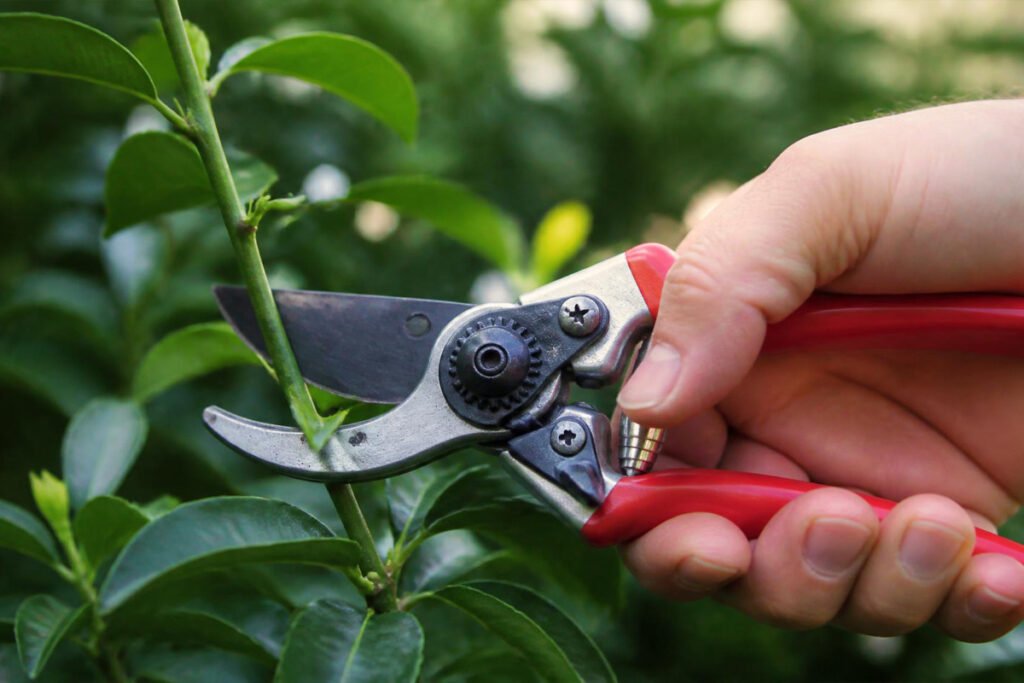
Roses and woody shrubs need a bypass pruner with enough cutting capacity for stems up to about ¾ inch. The Felco 2 handles this comfortably, and clean cuts reduce the risk of dieback.
For Raised Beds and Containers
Lighter, shorter-handled tools like the Corona ComfortGEL trowel work best in confined spaces where you need control more than leverage. Check out our 5 Best Raised Bed Materials & Kits for Vegetable Gardens guide for what to pair it with, along with our 5 Best Organic Fertilizers & Soil Amendments for Vegetable Gardens picks.
For Weeding and Root Removal
A hori hori or a dedicated forked hand weeder outperforms a standard trowel here, since the serrated or forked tip gets underneath a taproot instead of just chopping the top growth. For the bigger picture on keeping beds under control, see our 5 Best Organic Pest Control Products for Vegetable Gardens guide.
How to Use and Maintain Garden Hand Tools Correctly
Extension horticulture programs consistently note that tool hygiene is one of the most overlooked ways home gardeners unintentionally spread plant disease between beds.
Step 1: Prepare
Before each use, check that blades are clean and free of dried sap or soil, which can harbor pathogens between plants.
Step 2: Clean After Each Session
Wipe down blades with a cloth after use, especially before moving between different plants or beds.
Step 3: Sharpen Regularly
A dull pruning blade crushes stems instead of slicing them. Sharpen bypass blades every few weeks during heavy pruning season using a simple sharpening stone.
Step 4: Oil Metal Parts
A light coat of household oil on blades and pivot points prevents rust and keeps the action smooth, especially for tools stored outdoors or in humid climates.
Step 5: Store Properly
Hang tools or store them in a dry tool bag rather than leaving them on the ground, where moisture and soil accelerate rust and blade dulling.
Common Mistakes
1. Using anvil pruners on live stems. Anvil pruners crush rather than slice, which is fine for dead wood but damages live plant tissue. Use a bypass pruner for anything alive.
2. Forcing a trowel through compacted soil. This is the fastest way to bend a blade or snap a handle. Loosen compacted soil first with a fork — our Backyard Garden Soil Health guide covers this in more depth.
3. Letting tools sit dirty between seasons. Sap, soil, and moisture left on blades over winter cause pitting and rust that shortens a tool’s life dramatically. Our Year-Round Backyard Gardening guide covers proper seasonal tool storage.
Expert Tips
1. Match the tool to the task, not the price tag. A $70 pruner used on the wrong job (like dead, thick wood) will underperform a $15 anvil pruner made for exactly that.
2. Buy tools with replaceable parts if you garden often. The upfront cost is higher, but a repairable pruner or trowel can outlast three or four disposable versions. For the smaller gear that rounds out a kit, see our 5 Best Garden Gadgets & Accessories Every Home Gardener Needs guide.
3. Keep a small rubbing-alcohol wipe in your tool bag. Wiping blades between plants — especially when pruning anything showing signs of disease — is a fast habit that meaningfully reduces disease spread through your garden.
Final Thoughts
For most home gardeners, the right starting kit is simple: a repairable bypass pruner like the Felco 2 for anything alive, a sturdy full-tang trowel like the DeWit for tough soil (or the lighter Corona ComfortGEL for containers and raised beds), and a hori hori knife for weeding and dividing. Buy the best pruner you can afford first — it’s the tool that touches your plants’ health most directly — then round out the kit as your garden grows. For next steps, see our Backyard Garden Tools: Essential Gear for Every Gardener and 5 Best Raised Bed Materials & Kits for Vegetable Gardens guides.
Frequently Asked Questions
Do I really need a separate trowel and hand weeder? Not always, but they solve different problems. A trowel is built for digging and moving soil; a hand weeder or hori hori is built to get underneath roots without disturbing surrounding soil as much. If you only weed occasionally, a hori hori can cover both jobs reasonably well.
How long should a good pair of pruning shears last? A quality repairable pruner like the Felco 2 can last decades with proper cleaning, sharpening, and occasional part replacement. Budget pruners typically last one to three seasons of regular use before the blade dulls beyond effective sharpening.
Bypass pruners vs. anvil pruners — which should I buy first? Buy a bypass pruner first. It handles the majority of home garden tasks — live stems, flowers, and small branches — cleanly. Add an anvil pruner later if you regularly cut dead or dried wood.
How much should I expect to spend on a basic hand tool kit? A functional starter kit (one bypass pruner, one trowel) typically runs $25–$40 for budget-friendly options, or $100–$150 if you choose premium, repairable brands like Felco and DeWit. Our 5 Essential Gardening Accessories for a More Comfortable Vegetable Garden guide covers what to add next.
Why did my trowel bend after only a few uses? This usually happens when a thin, riveted (non-full-tang) blade is used to pry through compacted or rocky soil. Loosening soil first with a fork, or upgrading to a full-tang trowel, solves this.
Is it worth buying an ergonomic or ratchet pruner? Yes, especially if you have limited hand strength, arthritis, or do extended pruning sessions. A ratchet pruner multiplies your grip force across several small squeezes instead of one hard squeeze.
How often should I sharpen my pruning shears? During active pruning season, sharpen every few weeks with a simple sharpening stone. If you notice stems tearing instead of cutting cleanly, that’s your sign it’s overdue.
Can I use the same pruner on diseased and healthy plants? You can, but you should disinfect the blade between plants (a quick wipe with rubbing alcohol works) to avoid spreading disease from an infected plant to a healthy one.
Author: ProGardeningTips Editorial Team Last Updated: July 2026
Pingback: 7 Best Watering Cans for Indoor & Outdoor Plants: Proven Top Picks & Buying Guide | Pro Gardening Tips – Expert Advice for a Thriving Garden