If you have ever driven a spade into hard ground, levered it back, and felt your wrists protest while the soil refused to budge, you already know that not every digging job belongs to a spade. The best garden forks solve exactly that problem. Their tines slip into compacted soil, fracture it without smashing the structure, and let you lift, loosen, and turn a bed with far less effort.
The trouble is that “garden fork” covers a surprisingly wide family of tools. A square-tined digging fork, a long-handled broadfork, a lightweight border fork, and a pitchfork-style compost fork can look similar on a shelf, yet each one behaves very differently in the dirt. Buy the wrong one and you end up with bent tines, sore shoulders, or a tool that never leaves the shed.
This guide sorts it all out. You will learn how a garden fork works, how to match one to your soil, which five styles earn a place in a vegetable garden, and how to use them without wrecking your soil structure. Along the way, we link to our guides on spades and shovels and raised bed vegetable gardening so you can build a complete toolkit.
Quick Answer
The best garden fork depends on the job and your soil. A forged steel digging fork is the best all-rounder for turning beds, lifting root crops, and working in compost. A broadfork is the better choice for compacted clay and no-till beds. A lightweight border fork suits raised beds and tight spaces, while a compost fork with thinner, curved tines moves loose material such as mulch, straw, and finished compost. If you only buy one, choose a four-tine forged steel digging fork with a sturdy handle, because forged tines resist bending where cheap stamped tines fail. The guiding principle is simple: match the tine style to the material you are moving.
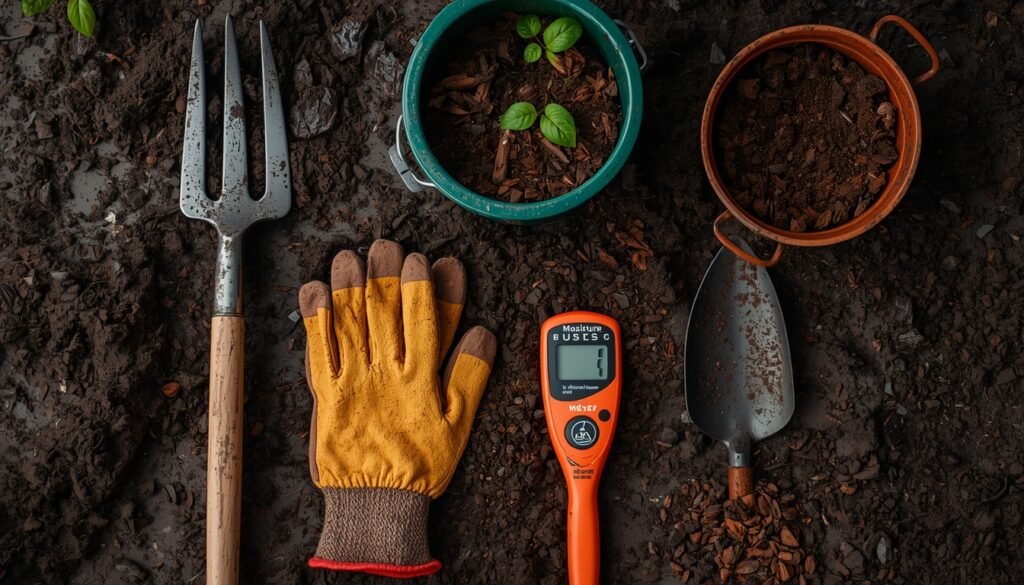
Table of Contents
- What Is a Garden Fork and How Does It Work?
- How to Choose the Right Garden Fork
- Best Garden Forks Available
- Comparison Table
- Best Garden Forks for Different Uses
- How to Use a Garden Fork Correctly
- Common Mistakes
- Expert Tips
- Final Verdict
- Frequently Asked Questions
What Is a Garden Fork and How Does It Work?
A garden fork is a long-handled digging tool with several strong, pointed tines instead of a single flat blade. Where a spade slices and lifts a solid block of soil, a fork penetrates, fractures, and loosens. That difference matters more than most gardeners realize.
Because the tines are narrow, a fork pushes into dense or stony ground with much less resistance than a spade. The gaps between the tines let air and water move through the loosened soil, and they allow you to lift without shearing roots or crushing the crumb-like structure that healthy beds depend on. Think of a spade as a knife and a fork as a comb: one cuts, the other separates.
That makes the best garden forks useful for far more than digging. Gardeners use them to loosen compacted beds before planting, to lift potatoes, carrots, and garlic without stabbing the crop, to turn compost into a pile, and to work amendments into the top layer of soil. They are also gentler on earthworms than a rotary tiller, which is a real advantage if you care about soil life.
A fork is not a replacement for your other tools, but it fills a gap they cannot. If you are still assembling your kit, our roundup of the best garden hand tools and our guide to the best gardening tools for vegetable gardens show where a fork fits alongside trowels, shears, and spades.
The three parts that determine quality are the tines, the socket or collar where the head meets the handle, and the handle itself. Forged, one-piece steel heads are stronger than stamped or welded ones. A solid socket keeps the head from wobbling loose. And a handle made of ash, hickory, or fiberglass absorbs shock far better than thin tubular steel.
How to Choose the Right Garden Fork
Before you buy, answer three short questions.
1. What is your soil like? Heavy clay and compacted ground demand strong forged tines or a broadfork. Loose, loamy beds are happy with a lighter border fork. If you are not sure what you are working with, a soil test tells you more than guessing does.
2. What will you mostly do with it? Digging and loosening call for flat, square tines. Moving compost, hay, or mulch calls for thinner, rounder, slightly curved tines. Lifting root crops works best with a wide, forgiving fork that will not skewer your harvest.
3. Who is using it? Height, strength, and any back or wrist trouble matter. A shorter handle with a D-grip gives control in tight beds, while a long straight handle gives leverage and keeps you more upright.
It also helps to understand why gardeners reach for a fork instead of a tiller. According to University of Minnesota Extension, reducing tillage in your garden protects soil health over time, and a broadfork or garden fork can relieve compaction without breaking up the soil aggregates that roots rely on.
Best Garden Forks Available
The options below are grouped by fork type rather than by brand, because tine style and build quality matter far more than a logo. When you shop, look for the features listed under each type.
1. Forged Steel Digging Fork (Best Overall)
Overview: The classic four-tine digging fork, also called a spading fork, is the workhorse of the vegetable garden. Its flat, square tines are forged from a single piece of steel, which gives them the strength to enter compacted soil and lever it loose without flexing. If you want one fork that handles most jobs, this is the one.
Key Features:
- Four flat, square tines, typically around 10 to 12 inches long
- One-piece forged steel head with a solid socket
- Ash, hickory, or fiberglass handle with a D-grip or straight shaft
- Footstep or tread on top of the tines for pressing in with your boot
Best For: Turning new beds, loosening compacted soil, lifting root crops, and working in compost.
Pros:
- ✅ Strong enough for heavy clay and stony ground
- ✅ Versatile across nearly every digging task
- ✅ Long service life when cared for
Cons:
- ❌ Heavier than lightweight alternatives
- ❌ Higher price than stamped or budget models
Our Verdict: A forged steel digging fork is the safest all-round buy. It earns its place in any bed prep routine, and a good pair of gardening gloves will keep your hands comfortable during longer sessions.
2. Broadfork (Best for Compacted Soil and No-Till Beds)
Overview: A broadfork is a wide, U-shaped tool with three to five long tines on a horizontal bar and two upright handles. You step onto the bar, rock the handles back, and the tines lift and crack the soil without flipping it. The result is deep loosening with minimal disturbance to soil layers, which is why no-till and low-till gardeners swear by it.
Key Features:
- Three to five long tines on a wide crossbar
- Two handles for a back-rocking lever motion
- Steel or hardwood construction
- Covers a wide strip of bed in one pass
Best For: Compacted clay, new beds, and no-till vegetable gardens.
Pros:
- ✅ Loosens deeply without inverting the soil
- ✅ Faster across a large bed than a single fork
- ✅ Much easier on your back once you learn the motion
Cons:
- ❌ Expensive and bulky to store
- ❌ Too wide for narrow or crowded beds
Our Verdict: If you garden in heavy soil or want to avoid tilling, a broadfork is worth the investment. Pair it with organic fertilizers and soil amendments after loosening so the new pore space fills with organic matter.
3. Border Fork (Best for Raised Beds and Small Spaces)
Overview: A border fork is a smaller, lighter version of the digging fork. The shorter head and slimmer tines are designed for working between established plants, inside raised beds, and in tight corners where a full-size fork would crush crops or catch on edging.
Key Features:
- Shorter, narrower head than a standard digging fork
- Lighter overall weight
- Often a D-grip handle for close control
- Good balance for one-handed repositioning
Best For: Raised beds, flower borders, container groups, and gardeners who want a lighter tool.
Pros:
- ✅ Easy to control in tight spaces
- ✅ Less tiring for smaller gardeners
- ✅ Gentle around existing roots
Cons:
- ❌ Not strong enough for heavy clay or rocky ground
- ❌ Slower on large areas
Our Verdict: A border fork is ideal if most of your growing happens in raised garden bed kits or small plots. It will not replace a full-size fork for new ground, but it makes routine bed maintenance quick and pleasant.
4. Compost Fork (Best for Compost, Mulch, and Loose Material)
Overview: A compost fork, sometimes called a manure fork or pitchfork, has thinner, rounder, slightly curved tines. They are built to scoop and carry loose material rather than break hard ground. If you handle compost, straw, leaves, or wood-chip mulch regularly, this fork saves a surprising amount of effort.
Key Features:
- Four to five thin, curved tines
- Lightweight head for repeated lifting
- Long handle for leverage over a pile
- Closer tine spacing to hold material
Best For: Turning compost, spreading mulch, and moving straw or leaf litter.
Pros:
- ✅ Holds far more loose material than a digging fork
- ✅ Light enough for repetitive work
- ✅ Excellent for aerating a compost pile
Cons:
- ❌ Tines bend easily in compacted soil
- ❌ Not suited to digging or lifting root crops
Our Verdict: Keep this one for compost duty only. It pairs naturally with a compost tumbler setup or an open bin, and it will outperform a digging fork on every loose-material job.
5. Budget Carbon Steel Garden Fork (Best Budget Pick)
Overview: Budget forks use stamped or lighter-gauge carbon steel and cost a fraction of forged models. They can be perfectly adequate for light, loamy soil and occasional use, which makes them a reasonable starting point for new gardeners who are not ready to invest.
Key Features:
- Four tines of lighter-gauge carbon steel
- Painted or coated head to resist rust
- Wood or fiberglass handle
- Low upfront cost
Best For: Light soil, occasional use, and first-time gardeners.
Pros:
- ✅ Affordable and easy to replace
- ✅ Lighter to carry and use
- ✅ Fine for soft, well-amended beds
Cons:
- ❌ Tines can bend or snap in hard ground
- ❌ Handle joints may loosen over time
Our Verdict: A budget fork works if your soil is already loose and you only dig a few times a season. If you plan to break new ground, spend more now. A sturdy garden cart or wheelbarrow is often a better first upgrade than a second-tier fork.
Comparison Table
| Fork Type | Best For | Tines | Weight | Soil Suitability |
|---|---|---|---|---|
| Forged Digging Fork | All-round bed prep | 4 flat, square | Heavy | Clay, stony, and loam |
| Broadfork | Deep loosening, no-till | 3 to 5 long | Heavy | Compacted clay |
| Border Fork | Raised beds, tight spaces | 4 short, slim | Light | Loose and loamy |
| Compost Fork | Compost and mulch | 4 to 5 thin, curved | Light | Loose material only |
| Budget Carbon Steel Fork | Occasional light use | 4 lighter-gauge | Medium | Soft, amended soil |
Best Garden Forks for Different Uses
Raised Beds and Containers
Raised beds have loose, engineered soil, so you rarely need brute force. A border fork lets you lift and loosen between plants without damaging neighbors. Work gently near the sides, where tines can scrape liner or edging. If you grow in pots and grow bags, a fork is rarely needed, but our guides to container vegetable gardening and the best potting soil for vegetables explain how to keep those mixes light and airy instead.
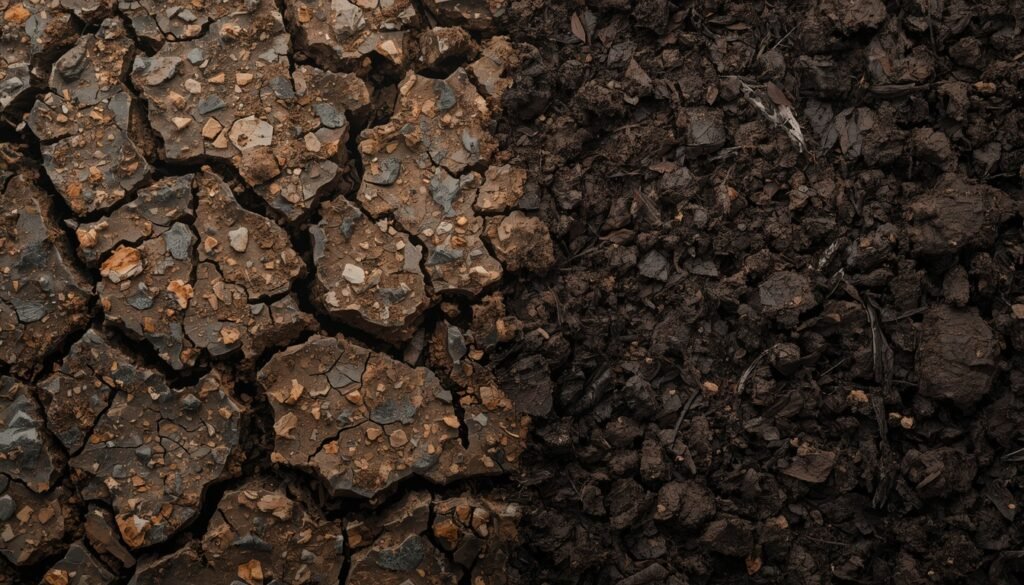
Compacted Clay and New Beds
This is where the best garden forks earn their reputation. Start by pushing a forged digging fork or broadfork in at regular intervals across the bed, rocking it back to open the soil rather than turning it over. Then add compost and cover the surface with mulch for vegetable gardens to protect the loosened structure. A soil moisture meter helps you pick a workable day, because clay that is too wet or too dry resists even the best fork.
Compost Piles and Mulch
A compost fork turns a pile in minutes, mixing the dry outer layers into the warm center so decomposition speeds up. It is also the fastest way to load a cart with leaves or straw. If you are building a system from scratch, read our guide to composting bins and systems first, then choose a fork that matches the size of the pile you plan to manage.
How to Use a Garden Fork Correctly
Using a fork well is mostly about letting the tool do the work. Follow these five steps for loosening a bed.
Step 1: Prepare
Choose a day when the soil is moist but not soggy. Squeeze a handful: if it forms a sticky ball that will not crumble, wait. Planting at the right time also matters, and a soil thermometer tells you when the ground is ready for seeds.
Step 2: Clear and Mark
Remove stones, old plant debris, and large weeds. Mark the bed edges so you do not step on soil you have already loosened. Stand on a board if you need to reach into the middle of a wide bed.
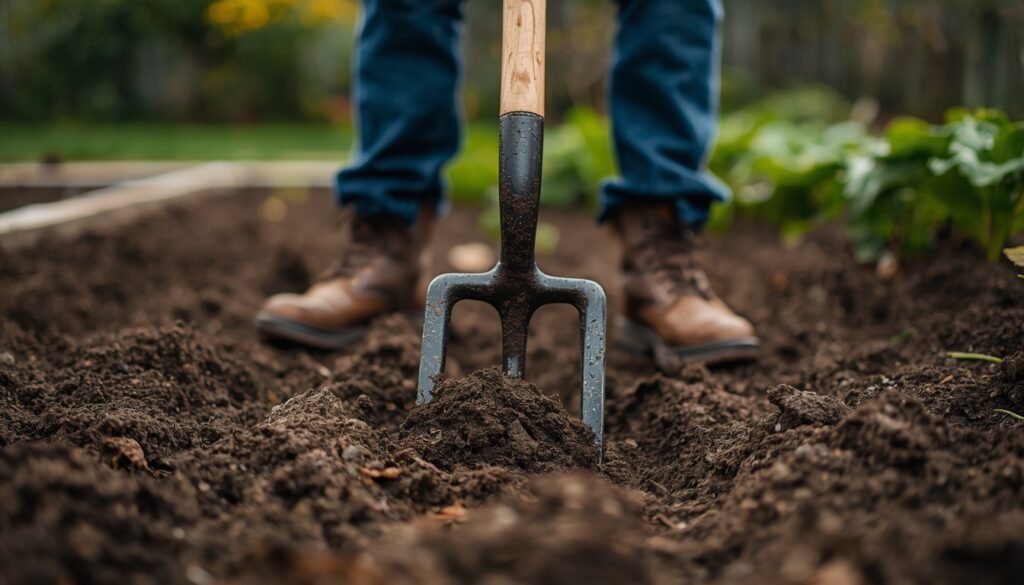
Step 3: Insert and Rock
Place the tines vertically, press them in with your foot, and pull the handle back toward you. The soil should lift and crack. Do not flip it. Move back about six inches and repeat across the bed.
Step 4: Add Organic Matter
Spread two to three inches of finished compost over the loosened soil and lightly work it into the top layer. This keeps the new air channels from collapsing and feeds the soil life you just helped.
Step 5: Finish and Protect
Water lightly, then mulch to protect the surface. Avoid walking on the bed afterward. If your knees complain during planting, a good set of garden kneelers makes the follow-up work much easier.
Common Mistakes
Digging when the soil is too wet. Working saturated ground squeezes out air and creates dense clods that dry as hard as brick. Test first, and use a soil moisture meter if you are unsure. Waiting a few days costs nothing.
Turning the soil more than necessary. Heavy turning breaks down structure and brings dormant weed seeds to the surface. Rock the fork to fracture soil in place, then protect the surface with mulch so weeds have less chance to sprout.
Using the fork as a pry bar or leaving it outside. Forcing a fork against a large rock bends tines, and leaving it in the rain rusts the head and rots the handle. Clean, dry, and hang your tools. Our guide to garden storage and organization has simple ideas for keeping tools in shape.
Expert Tips
Use your body weight, not your arms. Let your boot do the pushing and your hips do the pulling. A fork that is properly sized to your height will feel almost effortless, while one that is too short forces you to hunch and strain.
Oil and sharpen lightly. A thin coat of oil after cleaning prevents rust, and a quick file on the tine tips helps them penetrate hard soil. Sharp tips are the difference between pushing in and fighting it.
Pair your fork with a crop plan. Loosening is only half the story. Rotating crop families through the beds reduces disease pressure, so read our vegetable garden crop rotation guide before you decide what goes where.
Final Verdict
For most gardeners, the best garden forks start with a forged steel digging fork. It handles clay, loam, and compost with equal confidence and will last for decades. Here is a quick summary:
- Best overall: Forged steel digging fork
- Best for compacted or no-till beds: Broadfork
- Best for raised beds and small spaces: Border fork
- Best for compost and mulch: Compost fork
- Best budget pick: Carbon steel garden fork
Once you have your fork, round out the toolkit with the best garden rakes for leveling, the best garden hoes for weeding, and a reliable garden wheelbarrow for hauling soil and compost.
Frequently Asked Questions
Do I need a garden fork if I already have a spade? Usually yes. A spade cuts and lifts, while a fork loosens and aerates without slicing roots or inverting soil. If you garden in clay or want to lift root crops cleanly, a fork does jobs a spade handles poorly.
What is the difference between a garden fork and a pitchfork? A garden fork has short, flat, strong tines for digging. A pitchfork has long, thin, curved tines for moving loose material like hay or compost. Using a pitchfork on hard ground will bend the tines.
How many tines should a garden fork have? Four is the standard for a digging fork because it balances strength and penetration. Broadforks usually have three to five long tines, while compost forks have four or five thinner ones.
Is a garden fork better than a broadfork? Neither is universally better. A garden fork is more versatile and fits small beds. A broadfork loosens deeper and covers more ground per pass, which suits larger no-till beds and compacted clay.
Can I use a garden fork inside a raised bed? Yes, but choose a lighter border fork and work gently near the sides. Raised bed soil is usually loose, so you mainly need light loosening between crops rather than deep digging.
When is the best time to use a garden fork? Use it when the soil is moist but crumbly, typically in spring before planting or in fall after harvest. Avoid frozen, waterlogged, or bone-dry ground, which resists the tines and damages structure.
How do I stop the tines from bending? Choose forged one-piece steel, avoid prying against rocks, and match the fork to the job. Compost forks and budget forks bend easily in hard soil, so keep them for the work they were built for.
Is a garden fork good for no-till gardening? Yes. Rocking a fork or broadfork loosens compaction without turning soil over, which fits low-disturbance methods much better than a rotary tiller. Follow up with compost and mulch to protect the results.
How should I clean and store a garden fork? Rinse off soil, dry the tines, wipe them with a light coat of oil, and hang the tool in a dry spot. Check that the socket and handle remain tight before each season. For more rotation and bed planning help, see our crop rotation guide.
Author: Pamela Reese
Last Updated: November 2026