If you have ever yanked a dandelion only to watch the taproot snap off and the weed return a week later, you already know the problem: pulling weeds with bare hands rarely removes the whole plant. The best hand weeders solve that by getting beneath the root, loosening the soil around it, and lifting the weed out cleanly, often in a single motion.
The challenge is that hand weeders come in many shapes. A curved-blade cultivator, a hori hori knife, a Cape Cod weeder, a forked dandelion puller, and a stand-up weeder all promise to make weeding easier, yet each one shines in a different situation. Choose the wrong style for your beds and you end up with sore wrists, damaged crop roots, or a tool that sits unused.
This guide explains how hand weeders work, how to choose one for your soil and your body, which five styles are worth owning, and how to use them without disturbing your vegetables. Along the way we link to our guides on garden hoes and mulch for vegetable gardens, because the best weed control combines the right tool with a smart prevention plan.
Quick Answer
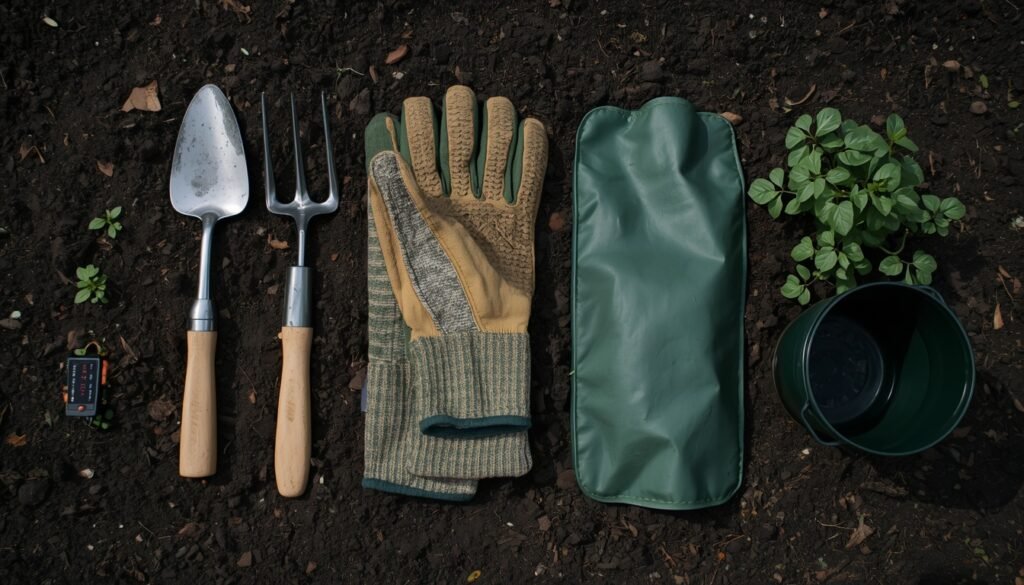
The best hand weeder depends on your weeds, your soil, and how much bending you can tolerate. A curved-blade cultivator weeder is the best all-rounder for vegetable beds. A hori hori knife is best if you want one tool that weeds, digs, and cuts. A Cape Cod weeder is ideal for tight rows and small seedlings, a forked dandelion weeder handles deep taproots, and a stand-up weeder protects your back and knees. If you only buy one, choose a sturdy curved-blade cultivator, because it handles most weeds in most beds. The guiding principle is to match the tool to the weed and to weed when the soil is slightly moist.
Table of Contents
- What Is a Hand Weeder and How Does It Work?
- How to Choose the Right Hand Weeder
- Best Hand Weeders Available
- Comparison Table
- Best Hand Weeders for Different Garden Situations
- How to Use a Hand Weeder Correctly
- Common Mistakes
- Expert Tips
- Final Verdict
- Frequently Asked Questions
What Is a Hand Weeder and How Does It Work?
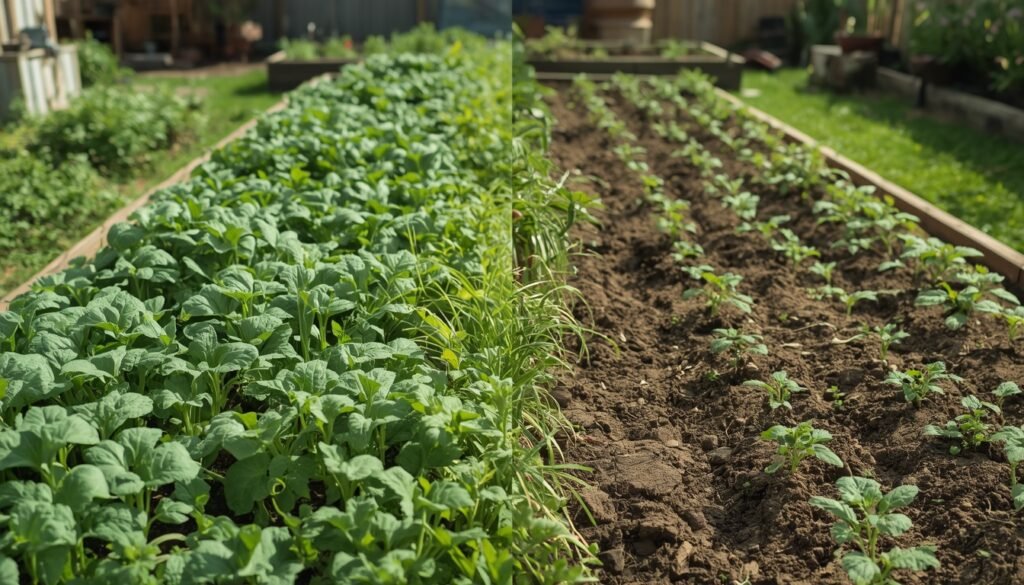
A hand weeder is a small, purpose-built tool for removing weeds one at a time or in small patches. Unlike a long-handled hoe, which skims the surface, a hand weeder lets you work close to the plant, slide the blade or tines under the root, and lever the whole weed free. That precision is the main reason gardeners keep one in a pocket or apron.
Weeding matters because weeds compete directly with your crops. According to Iowa State University Extension, weeds compete with garden crops for nutrients, moisture, and sunlight, and in large numbers they can reduce the quality and yield of vegetables. A tool that removes the whole root also removes the plant’s ability to regrow, which is why technique and tool choice both matter.
Most hand weeders work in one of three ways. Some cut roots just below the soil surface. Others pry or hook beneath a weed and lift it. A third group loosens the soil first so the weed slides out. The best hand weeders often do two of these at once.
If you are still assembling your toolkit, our roundups of the best garden hand tools and the best gardening tools for vegetable gardens show where a weeder fits alongside trowels, shears, and spades.
Quality comes down to the blade or tines, the handle, and the connection between them. Look for hardened steel or die-cast aluminum that will not bend, a comfortable grip that does not rub your palm, and a head that is forged, welded, or riveted solidly to the handle.
How to Choose the Right Hand Weeder
Before you buy, ask yourself three quick questions.
1. What kind of weeds do you fight? Shallow annual weeds such as chickweed and purslane come out easily with almost any weeder. Deep taproots like dandelions and docks need a forked tip or a long, narrow blade. Spreading perennial weeds need a tool that can dig and follow roots.
2. What is your soil like? Soft, loamy beds suit lighter weeders. Heavy clay or stony soil demands a strong steel blade. If you are unsure about your soil, a soil test gives you a clearer picture than guessing.
3. How does your body feel after weeding? Short-handled weeders need kneeling or bending. If your knees, back, or wrists complain, a stand-up weeder or a padded, ergonomic grip is worth the extra cost. A set of garden kneelers also helps.
Timing matters as much as tools. Iowa State University Extension notes that hand pulling works best a day or two after a soaking rain, or after watering the garden 24 to 48 hours beforehand, because moist soil releases roots far more easily.
Best Hand Weeders Available
The options below are grouped by weeder type rather than by brand, because blade shape and build quality matter more than a logo. When you shop, look for the features listed under each type.
1. Curved-Blade Cultivator Weeder (Best Overall)
Overview: This style has a curved, tapered steel blade, often mounted on a comfortable handle. The pointed tip slices into the soil, and the curve lets you hook roots, scrape the surface, or cultivate a small area. It is the most versatile weeder for vegetable beds, where you need to clear weeds without damaging neighboring plants.
Key Features:
- Curved, hardened steel or cast-aluminum blade
- Pointed tip for digging and cutting roots
- Ergonomic handle with a comfortable grip
- Works for weeding, cultivating, and small planting jobs
Best For: Vegetable beds, raised beds, and general weeding between crops.
Pros:
- ✅ Handles a wide range of weed sizes
- ✅ Doubles as a light cultivator and planting tool
- ✅ Easy to control close to crops
Cons:
- ❌ Not ideal for very deep taproots
- ❌ Tip can dull in stony soil
Our Verdict: A curved-blade cultivator is the safest all-round buy and the one most gardeners reach for first. Pair it with a good set of gardening gloves and it will handle most of your beds comfortably.
2. Hori Hori Knife (Best Multi-Use Tool)
Overview: A hori hori is a Japanese-style digging knife with a narrow, concave blade that has one sharp edge and one serrated edge. It cuts roots, saws through tough stems, digs planting holes, and scores soil, all with one tool. Many measured depth marks along the blade make it handy for planting bulbs and seedlings too.
Key Features:
- Stainless or carbon steel blade, often with depth markings
- Sharp edge on one side, serrated edge on the other
- Fixed handle of wood or composite
- Usually includes a belt sheath
Best For: Gardeners who want one tool for weeding, digging, and cutting.
Pros:
- ✅ Extremely versatile across the whole garden
- ✅ Slices through tough roots and sod
- ✅ Great for transplanting and dividing plants
Cons:
- ❌ Sharp edges require careful handling and storage
- ❌ Blade is wide, so it is less precise among seedlings
Our Verdict: If you dislike carrying several small tools, a hori hori is the best single choice. Store it safely with the rest of your gear, using ideas from our guide to garden storage and organization.
3. Cape Cod Weeder (Best for Tight Rows and Seedlings)
Overview: A Cape Cod weeder has a short, right-angled blade with a sharp tip, designed to be pulled toward you just below the soil surface. It slips between closely planted rows and around young seedlings, cutting weeds at the roots without disturbing nearby plants. Many models are made for a right or left dominant hand, so check before you buy.
Key Features:
- Narrow, angled steel blade with a pointed tip
- Short handle for control in tight spaces
- Cuts weeds on the pull stroke
- Available in right-hand and left-hand versions
Best For: Tight rows, carrots, lettuce, onions, and seedling beds.
Pros:
- ✅ Excellent precision around delicate crops
- ✅ Fast on shallow weeds in loose soil
- ✅ Compact and easy to carry
Cons:
- ❌ Dominant-hand design may not suit everyone
- ❌ Struggles with deep taproots and compacted soil
Our Verdict: A Cape Cod weeder is a precision tool, so buy it as a companion to a general weeder rather than a replacement. It pairs nicely with a long-handled garden hoe for the wider paths between rows.
4. Forked Dandelion Weeder (Best for Deep Taproots)
Overview: A forked or fishtail weeder has a long, narrow shaft ending in a notched tip, which you push beside the taproot, lever against, and pull the entire root out. It excels at dandelions, docks, and thistles, which regrow from any root left behind. Some versions have a foot step for extra leverage.
Key Features:
- Long, narrow steel shaft with a forked tip
- Handle that gives pulling leverage
- Optional foot step for pressing in
- Works well in lawns and garden edges
Best For: Dandelions, docks, and other deep-rooted perennial weeds.
Pros:
- ✅ Removes the entire taproot cleanly
- ✅ Leaves very little soil disturbance
- ✅ Works well in lawns and garden edges
Cons:
- ❌ Limited use for shallow or mat-forming weeds
- ❌ Narrow tip can bend in stony ground
Our Verdict: Buy a forked weeder if dandelions and similar weeds are your main headache. It is a specialist tool, but it solves that one problem better than any other style.
5. Stand-Up Weeder (Best for Back and Knee Comfort)
Overview: A stand-up weeder has a long handle and claw-like tines at the bottom. You push the tines down beside the weed, step on a foot bar if there is one, and lever the weed out while standing. It is a lifesaver for anyone who struggles with bending or kneeling.
Key Features:
- Long handle, often 36 to 40 inches
- Claw or tine head for gripping roots
- Foot step on many models
- Ejector mechanism on some designs to release the weed
Best For: Lawns, paths, large beds, and gardeners with back or knee limitations.
Pros:
- ✅ Eliminates most bending and kneeling
- ✅ Great leverage on stubborn roots
- ✅ Fast for scattered weeds
Cons:
- ❌ Too bulky for tight rows and seedling beds
- ❌ Leaves small holes that need filling
Our Verdict: A stand-up weeder is the most comfortable option for open areas. If you also move a lot of soil and compost, consider upgrading your hauling gear with a sturdy garden wheelbarrow.
Comparison Table
| Weeder Type | Best For | Handle | Works Best On | Skill Level |
|---|---|---|---|---|
| Curved-Blade Cultivator | General vegetable beds | Short | Most weeds, loose to medium soil | Beginner |
| Hori Hori Knife | Weeding, digging, cutting | Short | Tough roots and sod | Beginner to intermediate |
| Cape Cod Weeder | Tight rows, seedlings | Short | Shallow weeds in loose soil | Intermediate |
| Forked Dandelion Weeder | Deep taproots | Medium | Dandelions, docks, thistles | Beginner |
| Stand-Up Weeder | Back and knee comfort | Long | Scattered weeds in open areas | Beginner |
Best Hand Weeders for Different Garden Situations
Raised Beds and Containers
Raised beds have loose, fertile soil, so a curved-blade cultivator or Cape Cod weeder is usually all you need. Work gently near the walls, where tools can scrape edging. For tips on building and caring for these beds, read our guide to raised bed vegetable gardening and our guide to container vegetable gardening.
Large Vegetable Plots and Paths
In bigger plots, speed matters. A stand-up weeder handles scattered weeds in paths and between rows, and a hoe covers wide areas quickly. Use a hand weeder only where precision is needed, near crops. A reliable watering and irrigation setup also keeps soil moist enough for easy weeding and reduces the need for overhead watering that spreads weed seeds.
Lawns, Edges, and Perennial Weeds
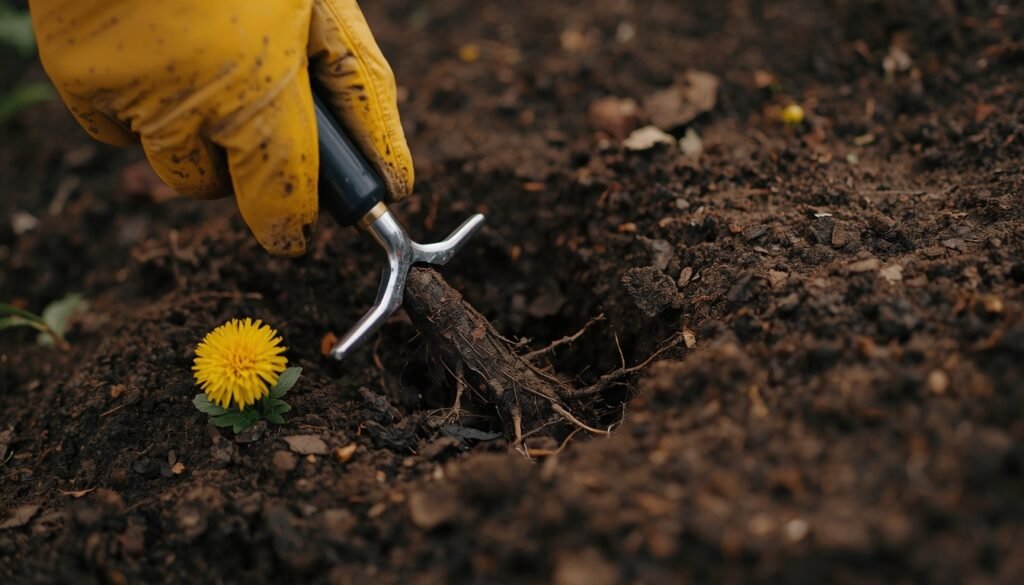
Perennial weeds such as dandelions and docks need a forked weeder or hori hori to remove the whole root. After pulling, fill the hole with compost and tamp lightly. Keep the weed pile away from your compost unless it is hot enough to kill seeds; see our guides to composting bins and compost tumblers for setups that heat reliably.
How to Use a Hand Weeder Correctly
Using a weeder well is mostly about timing and technique. Follow these five steps.
Step 1: Prepare
Pick a day when the soil is slightly moist, either one or two days after rain or after watering a day or two before. A soil moisture meter takes the guesswork out of it. Weed when plants are small, since young weeds come out with far less effort.
Step 2: Position
Kneel on a pad or stand over the bed so you can reach comfortably. Identify the weed’s main stem and plan where the root is likely to run before you dig.
Step 3: Insert
Push the tip of the weeder into the soil a couple of inches beside the weed, angling it toward the root. Avoid digging directly next to crop stems, where you could damage their roots.
Step 4: Lever and Lift
Rock the handle back gently to loosen the soil, then lift the weed out with the root intact. If the root breaks, dig down and remove the remaining pieces, because many weeds regrow from fragments.
Step 5: Finish
Shake loose soil back into the hole, firm it down, and apply a layer of mulch to block new seeds from germinating. Collect the weeds in a bucket or cart so seeds do not spread. A tomato bed, for example, benefits greatly from this routine, as explained in our guide to growing tomatoes.
Common Mistakes
Weeding dry, hard soil. Dry ground grips roots tightly, so weeds snap instead of releasing. Water the day before, or wait until after rain. A good garden hose makes it easy to moisten a bed ahead of time.
Waiting until weeds go to seed. Once weeds flower and set seed, you are not just removing one plant but adding hundreds to the soil bank for next year. Pull weeds while they are small and leave nothing to flower.
Skipping mulch after weeding. Bare soil invites new weed seeds. Cover cleared areas with a layer of mulch, and consider organic soil amendments to boost soil health so crops outcompete weeds.
Expert Tips
Keep your blades sharp. A sharp tip slides into soil with far less effort, and a quick file or stone once a month makes a noticeable difference. Wipe the blade clean and dry it after use to prevent rust.
Weed in short sessions. Ten minutes every few days beats a long, exhausting session once a month. Regular passes catch weeds while they are tiny and easy to remove.
Rotate crops and plan beds. Dense plantings and crop rotation reduce weed pressure and disease together. Our vegetable garden crop rotation guide shows how to plan beds so weeds have fewer openings.
Final Verdict
For most gardeners, the best hand weeders start with a sturdy curved-blade cultivator, which handles most weeds in most beds. Here is a quick summary:
- Best overall: Curved-blade cultivator weeder
- Best multi-use tool: Hori hori knife
- Best for tight rows and seedlings: Cape Cod weeder
- Best for deep taproots: Forked dandelion weeder
- Best for back and knee comfort: Stand-up weeder
Once you have your weeder, round out the toolkit with the best garden hoes for wide areas, the best garden rakes for finishing beds, and a comfortable pair of gardening gloves.
Frequently Asked Questions
Do I need a hand weeder if I already have a hoe? Usually yes. A hoe is great for wide, shallow weeding, but it cannot work close to crop stems or remove deep roots. A hand weeder gives precision in tight spots and handles taproots a hoe tends to miss.
What is the best hand weeder for dandelions? A forked dandelion weeder or a long, narrow hori hori works best. Both reach below the crown so you can lift the entire taproot. Leaving any root behind usually means the weed grows back.
How long does it take to weed a vegetable bed? A small 4 by 8 foot raised bed can take roughly 10 to 20 minutes if you weed often and keep weeds small. Time grows quickly if weeds are large or have gone to seed.
Is a hori hori better than a Cape Cod weeder? Neither is universally better. A hori hori is more versatile and works well for digging and cutting, while a Cape Cod weeder is more precise in tight rows. Many gardeners keep both.
What is the best time of day to weed? Early morning or evening is most comfortable, and soil is often slightly moist then. What matters more is soil moisture: weeding a day or two after rain or watering makes roots release easily.
Should I weed when the soil is wet or dry? Slightly moist is ideal. Very wet soil compacts when you work it, and very dry soil makes roots snap. Aim for damp but crumbly soil that holds together lightly in your hand.
Can I put weeds in my compost? Yes, if they have not gone to seed and the pile gets hot enough. Weeds with seeds or persistent roots are safer discarded or solarized in a sealed bag, since cooler piles may not kill them.
How do I stop my wrists from hurting while weeding? Choose a weeder with an ergonomic, cushioned handle, vary the tools you use, and take short breaks. A stand-up weeder removes most wrist strain by letting you work from a standing position.
How should I clean and store a hand weeder? Brush off soil, rinse if needed, dry the blade fully, and wipe it with a light coat of oil. Hang it in a dry spot, and keep sharp knives in a sheath. For bed planning help, see our crop rotation guide.
Author: Pamela Reese
Last Updated: November 2026