If you have ever snapped a trowel handle in dry clay, bent a thin blade against a buried root, or finished an afternoon of transplanting with a sore thumb joint, you already know the problem. The humble hand trowel is the most-used tool in most gardens, and it is also the one most gardeners buy without thinking. A cheap, flimsy model costs you comfort, time and often a second purchase within a season.
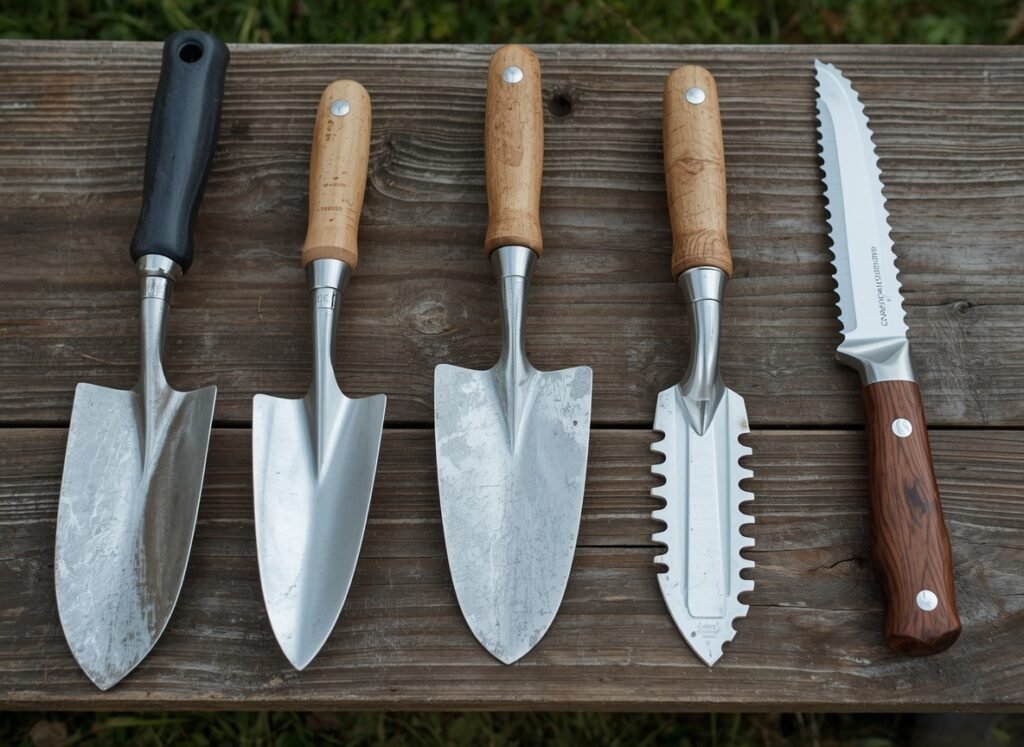
This guide fixes that. We compared five real, widely available trowels that cover the main ways gardeners dig, plant and weed. For each one you’ll find the specifications, strengths, weaknesses and a plain answer to who should buy it. There’s also a side-by-side table and a final verdict for Best Overall, Best Budget and Best Premium.
Quick Answer: What is the best garden trowel?
Best Overall: Kemaier Heavy-Duty Carbon Steel Hand Trowel, a strong, sharp-tipped all-rounder with a comfortable rubber grip. Best Budget: Fiskars Rust-Resistant Ergo Trowel, lightweight, affordable and reliable for everyday planting. Best Premium: Barebones Hori Hori Classic Knife, a walnut-handled, full-tang digging knife that replaces a trowel and a root knife in one tool. Also great: DeWit Heavy-Duty Wood Handle Potting Trowel for container work, and Radius Garden Root Slayer Trowel for compacted soil and tough roots.
Best Garden Trowels: 5 Proven Top Picks & Buying Guide
Why the Right Garden Trowel Matters
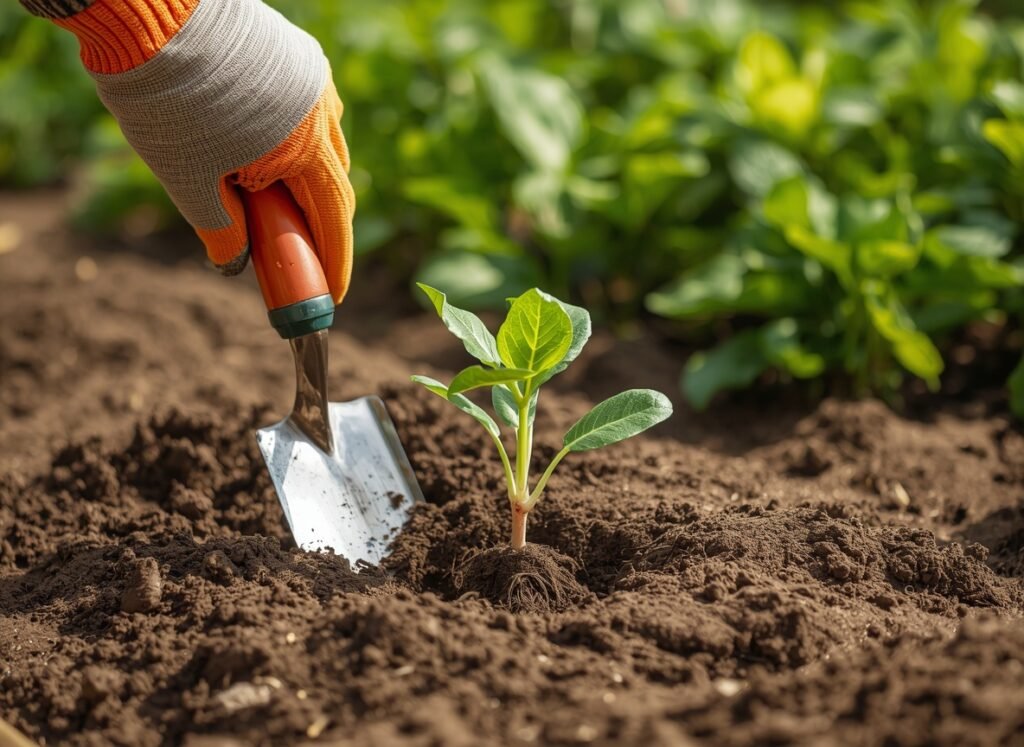
A trowel looks simple, but it does a surprising amount of work. It digs planting holes for seedlings, lifts transplants without tearing roots, scoops potting mix, breaks up crusty soil around established plants and pries out weeds. If you grow vegetables, you’ll use it weekly from seed-starting season to the final harvest.
A good trowel does three things well. It penetrates soil without bending, it moves soil efficiently, and it protects your hand and wrist over a long session. A poor one fails at all three. That is why we treat the trowel as a real buying decision instead of a throwaway add-on.
Best Garden Trowels: 5 Proven Top Picks & Buying Guide
How We Chose These Garden Trowels
We started from trowels that have been hands-on tested and reviewed by independent gardening and product-review editors in 2026. We then narrowed the field to five that serve clearly different jobs. We looked at:
Blade material and construction: carbon steel, forged steel, stainless steel or cast aluminum, and whether the blade is one piece or welded.
Blade shape: pointed, wide-scoop, serrated or hybrid knife style.
Handle design: material, length, grip shape and wrist comfort.
Special features: depth markings, twine notches, sheaths and hang holes.
Value: how much tool you get for the money.
We left out masonry trowels, which are flat tools for spreading mortar. If you search “trowel” and see them, they are a different tool entirely.
What to Look for When Buying a Garden Trowel
Blade Material
Trowel blades are usually carbon steel, stainless steel or aluminum.
Carbon steel is very strong and resists bending, which makes it ideal for compacted soil. Coated versions resist rust well.
Stainless steel resists rust and is often formed from a single piece, which adds strength.
Aluminum is light and comfortable, but it suits potting and loose soil better than rocky ground.
Blade Shape
Blade shape decides what a trowel is good at.
Pointed or slightly curved blades are the best all-rounders for digging holes and transplanting.
Wide, short scoops move a lot of potting mix and suit containers.
Serrated edges saw through roots and tough weeds.
Long, narrow blades are better for lifting transplants with deep roots.
Handle Comfort
Handle length and shape matter more than most people expect. A handle that is too short presses into your palm, and one that is too long is clumsy in tight beds. Around 5.5 inches is a comfortable target for most hands. Rounded or oval grips are usually easier to hold than flat ones, and rubberized surfaces help in wet soil or when wearing gloves.
Weight
Aim for a trowel under one pound. All five picks below fit that rule except the Barebones Hori Hori, which is only slightly heavier at 0.8 pounds in published specifications and still comfortable for many users.
Extras That Are Actually Useful
Depth markers help when planting bulbs and seedlings at the right depth. A hang hole keeps the tool off damp shed floors. A sheath protects both the blade and your hand during storage. These sound small, but they add up over years of use.
Best Garden Trowels: 5 Proven Top Picks & Buying Guide
The 5 Best Garden Trowels
1. Kemaier Heavy-Duty Carbon Steel Hand Trowel: Best Overall
Extras: depth markers on the blade, protective plastic sheath
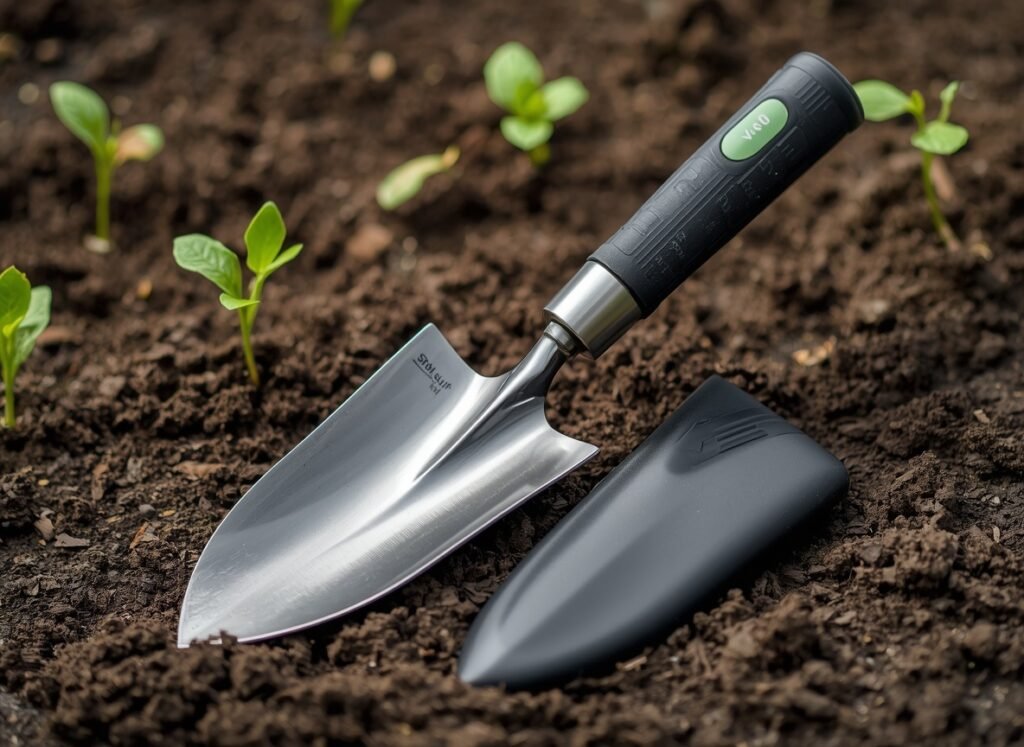
Overview The Kemaier is the most balanced trowel in this group. Its blade is made from quenched manganese steel, which feels noticeably sturdier than many standard trowels. The pointed tip slices into compacted soil and cuts through small roots, while the gently curved scoop holds enough soil to make transplanting and container filling efficient. Reviewers who put it through a full day of garden work, including removing old plants from raised beds, loosening hard soil and planting seedlings, rated it five out of five for both functionality and durability.
The handle is wrapped in non-slip rubber, which stays secure in damp soil and with gloves on. The tool has full-tang steel construction and a solid weld between the handle and blade, which suggests it will survive years of normal use. Depth markers on the blade take the guesswork out of planting bulbs and seedlings.
Pros
Strong manganese steel blade resists bending
Sharp, pointed tip cuts through roots and compacted soil
Depth markers built into the blade
Comfortable, non-slip rubber grip
Includes a protective sheath for storage
Cons
Slightly heavier than basic trowels
Doesn’t have the premium look or feel of a wood-handled tool
Who should buy it Choose the Kemaier if you want one trowel that handles nearly everything: raised beds, borders, vegetable rows and containers. It is the right pick for most gardeners, especially if your soil is clay-heavy or compacted. If you are setting up a new bed, pair it with a good garden fork for loosening soil before you start planting.
2. Fiskars Rust-Resistant Ergo Trowel: Best Budget
Key specifications
Blade material: polished cast aluminum
Blade length: about 6.25 inches
Handle: ergonomic plastic, about 5.5 inches
Weight: about 0.4 pounds
Extras: hang hole
Overview The Fiskars Ergo Trowel earns its place through simple reliability at a low price. The cast aluminum head is polished, rust resistant and light, which keeps arm fatigue down during long planting sessions. In independent testing, it dug small planting holes, loosened soil and transplanted vegetables and flowers without bending, even when pulling out older plants with thicker roots.
The trade-off is the handle. The ergonomic shape is designed to reduce wrist strain, but the hard plastic grip is less comfortable than the rubberized handles on more expensive models. Because aluminum is softer than steel, this trowel is best in loose to moderately firm soil rather than rocky ground.
Pros
Very lightweight at about 0.4 pounds
Rust-resistant aluminum head
Excellent value for the price
Slightly pointed blade works well for general planting
Hang hole for easy storage
Cons
Rigid plastic grip is less comfortable than rubber
Aluminum isn’t ideal for rocky or heavily compacted soil
Feels less premium than steel competitors
Who should buy it The Fiskars is a smart choice for beginners, for anyone who wants a spare trowel, and for gardeners with lighter soil or raised beds filled with loose mix. It also suits people who find heavier tools tiring. If you garden in raised beds, our raised bed gardening beginner’s guide explains how to build soil that a light trowel handles easily.
3. DeWit Heavy-Duty Wood Handle Potting Trowel: Best for Potting
Key specifications
Blade material: forged steel
Blade length: about 4.5 inches
Handle: European ash wood, about 6.5 inches
Weight: about 0.5 pounds
Blade shape: short, wide, spade-like scoop
Overview The DeWit is a specialist. Instead of the narrow scoop on a standard trowel, it has a short, wide blade shaped a little like a spade from a deck of cards, broad at the top and tapering to a point. The curve holds a generous amount of soil and reduces spills, which makes filling pots and planters noticeably faster. The forged steel blade is strong enough to scrape along the inside of a pot and loosen a root-bound plant.
The ash wood handle gives it a classic look and a solid, comfortable grip. Reviewers rated its durability five out of five. The wide blade does make it less suited to digging narrow holes or cutting dense roots, so most gardeners will want it as a second trowel instead of their only one.
Pros
Wide scoop moves more potting mix per pass
Strong forged steel blade
Classic ash wood handle with a comfortable grip
Great for filling containers and repotting
Light at about 0.5 pounds
Cons
Too specialized to be a one-and-only trowel
Not the best choice for narrow holes or heavy root cutting
Wood handles need to be kept dry for the longest life
Who should buy it Buy the DeWit if you grow in containers, balcony pots, window boxes or indoor planters. It is also an excellent companion for seed-starting and repotting season. If container growing is your main method, pair it with our guides to container vegetable gardening and the best potting soil for vegetables. Herb growers will also find it handy when following our indoor herb growing guide.
4. Radius Garden Root Slayer Trowel: Best for Roots and Compacted Soil
Key specifications
Blade material: powder-coated carbon steel
Blade length: about 6.75 inches
Handle: thermoplastic grip over a polypropylene core, about 6 inches
Weight: about 0.63 pounds
Extras: serrated edges, inverted V cutting tip, twine-cutting notch that doubles as a bottle opener
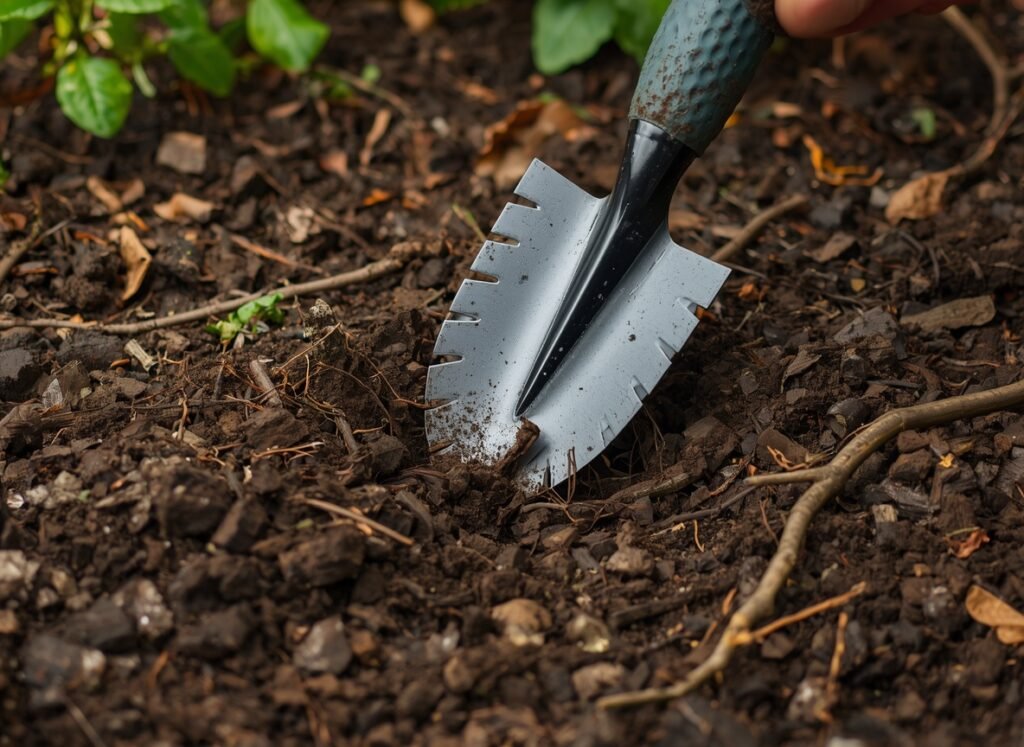
Overview The Root Slayer is built for the jobs that stop ordinary trowels. Its blade has aggressive saw-style teeth along both edges and an inverted V-shaped tip designed to slice roots instead of pushing past them. The carbon steel is powder-coated to resist rust and wear. In testing, it cut easily through thick roots and compacted soil, and it was especially useful when removing old plants or digging in beds where roots had spread widely.
The handle has a polypropylene core with a rubberized thermoplastic grip that feels comfortable and controlled. The one criticism from reviewers is that the plastic handle doesn’t feel quite as tough as the heavy-duty blade, particularly for gardeners who push their tools hard. The blade is built for demanding work, so pry carefully and let the teeth do the cutting.
Pros
Serrated edges and V-tip cut through roots
Strong powder-coated carbon steel blade
Comfortable rubberized grip
Twine-cutting notch is useful for tying and cutting
Excellent in compacted or root-filled soil
Cons
Plastic handle feels less robust than the blade
Aggressive design is overkill for light, loose soil
Teeth can catch in fabric or roots if you’re not careful
Who should buy it The Root Slayer suits gardeners with clay or compacted soil, overgrown beds, shrub borders and perennial gardens full of roots. It is also a strong choice if you are reclaiming a neglected plot. Combine it with a good hand weeder and the strategies in our weed control guide for vegetable gardens to keep beds clean once they are cleared.
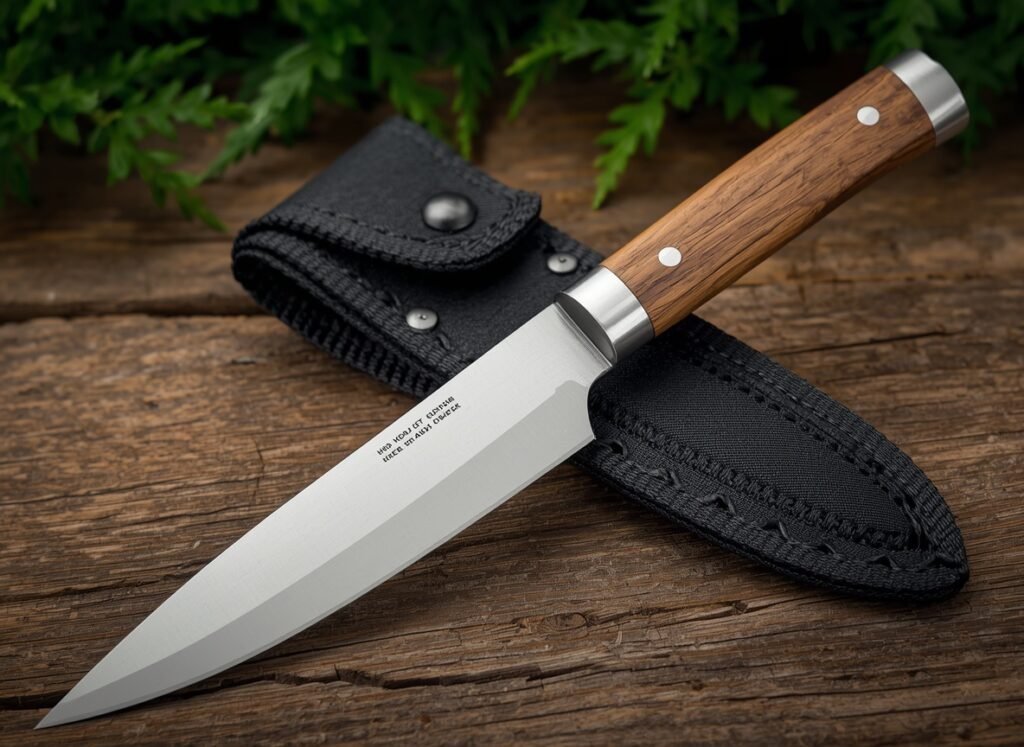
5. Barebones Hori Hori Classic Knife: Best Premium
Key specifications
Blade material: heat-tempered stainless steel
Blade length: about 6.75 inches
Handle: walnut wrapped around a full-tang blade, about 5.25 inches
Weight: about 0.8 pounds
Extras: serrated edge, twine-cutting notch that doubles as a bottle opener, molded nylon sheath
Overview Strictly speaking, this is a hori hori, a Japanese-style digging knife, rather than a conventional trowel. But it earns its place because it does a trowel’s job and more. The thick, spear-shaped blade is wide enough to move soil like a narrow trowel, while the sharp, serrated edge slices through roots, thick stems and bagged soil. Reviewers found it extremely capable for digging small planting holes, transplanting seedlings, cutting roots and prying out stubborn weeds.
The weight and thickness of the blade give it a sturdy feel, helpful for levering out deep-rooted weeds. The full-tang walnut handle looks good and feels comfortable, and the included molded nylon sheath lets you carry it on a belt while you work. It is heavier and more expensive than a basic trowel, and testers gave it the lowest value score of the five. But its durability scored five out of five.
Pros
One tool that digs, cuts and pries
Thick heat-tempered blade with serrated edge
Full-tang construction with a walnut handle
Molded nylon sheath for safe carrying
Excellent durability
Cons
The most expensive pick in this guide
Heavier than standard trowels
Narrower blade moves less soil per scoop than a true trowel
Sharp edges need respect, especially around kids and pets
Who should buy it The Barebones Hori Hori is for gardeners who want a long-term, buy-it-once tool and who don’t mind learning a slightly different technique. It is a great fit for experienced growers, bulb planters and anyone who divides perennials. Many gardeners use it for planting garlic and onion sets as well. See our guides on how to grow garlic and how to grow onions for planting depths you can mark on the blade.
Best Garden Trowels: 5 Proven Top Picks & Buying Guide
Side-by-Side Comparison Table
Feature
Kemaier Heavy-Duty
Fiskars Ergo
DeWit Potting
Radius Root Slayer
Barebones Hori Hori
Best for
All-purpose digging
Budget, light work
Potting and containers
Roots and hard soil
Digging, cutting, prying
Blade material
Carbon-manganese steel
Cast aluminum
Forged steel
Powder-coated carbon steel
Heat-tempered stainless steel
Handle material
Rubber
Plastic
European ash wood
Thermoplastic over polypropylene
Walnut
Blade length
~6.3 in
~6.25 in
~4.5 in
~6.75 in
~6.75 in
Handle length
~6.3 in
~5.5 in
~6.5 in
~6 in
~5.25 in
Weight
~0.76 lb
~0.4 lb
~0.5 lb
~0.63 lb
~0.8 lb
Serrated edge
No
No
No
Yes
Yes
Depth markers
Yes
No
No
No
No
Sheath included
Yes
No
No
Holster varies by version
Yes
Price tier
Mid
Budget
Mid
Mid
Premium
Tested durability score
5/5
4/5
5/5
5/5
5/5
Specifications are approximate and based on published product details and independent testing. Always check the current listing for your exact model.
Best Garden Trowels: 5 Proven Top Picks & Buying Guide
Which Garden Trowel Should You Buy? (By Situation)
You have clay or compacted soil: Kemaier or Radius Root Slayer.
You garden in pots, planters or indoors: DeWit.
You want the lightest, cheapest option: Fiskars.
You want one tool for everything and will pay for quality: Barebones Hori Hori.
You’re a beginner building your first kit: Start with the Kemaier or Fiskars, then add a specialist later.
You have wrist or hand pain: Try the Fiskars for its low weight or the Kemaier for its rubber grip, and consider padding your session with a good kneeler.
Buyer’s Verdict
Best Overall: Kemaier Heavy-Duty Carbon Steel Hand Trowel. It combines strength, a sharp pointed tip, a comfortable grip and useful depth markers at a mid-range price. For most gardeners, it is the one to buy.
Best Budget: Fiskars Rust-Resistant Ergo Trowel. It is lightweight, reliable and inexpensive. You give up some handle comfort and soil-busting power, but for loose beds and raised beds it is more than enough.
Best Premium: Barebones Hori Hori Classic Knife. It is the most capable and longest-lasting tool here, as long as you’re comfortable with a knife-style digger and its higher price.
If you only want to spend once, buy the Kemaier. If you garden in pots, add the DeWit. If your soil fights back, add the Root Slayer.
How to Use a Garden Trowel Properly
Using a trowel well saves your wrist and your plants.
Hold it like a dagger for digging. Grip with your thumb along the top and drive the blade down and toward you. This protects your wrist better than a hammer-style grip.
Dig the hole before you unpot the plant. Keep the hole about the depth of the root ball and slightly wider.
Loosen compacted sides. Score the sides of the hole so roots can spread.
Use depth markers or your own marks. Bulbs, garlic and onion sets all need consistent depth.
Backfill gently. Press soil around roots without crushing it.
Water right away. This settles the soil and removes air pockets.
The Kemaier Heavy-Duty Carbon Steel Hand Trowel is the best all-round choice, with a sharp tip, strong blade and comfortable rubber grip. If budget is tight, the Fiskars Rust-Resistant Ergo Trowel is lighter and cheaper and works well in loose soil.
What is the difference between a trowel and a hori hori knife?
A trowel has a scooped blade designed to move soil. A hori hori is a thick, narrow, knife-like blade, usually with one serrated edge, that digs, cuts roots and pries weeds. A trowel moves more soil per scoop, while a hori hori is more versatile.
Is a stainless steel or carbon steel trowel better?
Both are good. Carbon steel is extremely strong and resists bending, especially in compacted soil, but it should be kept dry or coated. Stainless steel resists rust well but can cost more.
Are aluminum trowels any good?
Yes, for the right jobs. Aluminum is light and rust resistant, which makes it comfortable for potting and loose soil. It is less suited to rocky or heavily compacted ground, where steel is safer.
How long should a garden trowel handle be?
A handle of at least 4 inches is the minimum, and about 5.5 inches suits most hands. Rounded or oval handles are generally more comfortable than flat ones.
How heavy should a garden trowel be?
Under one pound is a good target. Lighter tools reduce fatigue over a long session, though a slightly heavier steel trowel can dig more easily in tough soil.
Can I sharpen a garden trowel?
Yes. Metal trowels can be sharpened with a file or sharpening stone. A sharp edge cuts roots and slices into soil with less effort.
Which trowel is best for transplanting seedlings?
A trowel with a pointed, slightly curved blade, such as the Kemaier, is a great choice. If you transplant into pots often, the DeWit’s wide scoop speeds things up. See our seed starting supplies guide for more.
How do I stop my trowel from rusting?
Wipe off soil, dry the blade after each use and store it somewhere dry. Wipe a thin film of oil on carbon steel at the end of the season.
Do I need more than one trowel?
Many gardeners get by with one. But a second, specialized trowel, such as a potting trowel or a root-cutting trowel, can make specific jobs faster and easier.
Final Thoughts
The best garden trowel is the one that fits your soil, your hands and your garden. For most people, the Kemaier Heavy-Duty Carbon Steel Hand Trowel is the strongest all-round buy. The Fiskars Ergo Trowel is the smart budget choice, and the Barebones Hori Hori Classic Knife is the premium tool that can last for years. Add the DeWit for container work or the Radius Root Slayer for tough roots, and you’ll have a hand-tool setup that covers almost everything.