Every gardener eventually learns the same lesson: dull, mismatched, or wrong-style shears do more damage than good. A crushed stem heals slower than a clean cut, a sore wrist can end a pruning session early, and a blade that slips can ruin a season’s growth on a favorite rose or fruit tree. If you’ve ever finished pruning with aching hands or wondered why your cuts look ragged instead of clean, the tool in your hand is usually the reason.
This guide breaks down the best pruning shears available for home gardeners in 2026 — bypass, anvil, and ratchet styles — so you can match the right pair to your plants, your budget, and your hand strength. If you’re new to the topic, it helps to first understand how to prune vegetable plants correctly, since even the best shears won’t fix poor pruning technique. And if pruning is just one part of your toolkit, our guide to best garden hand tools rounds out the essentials.
Quick Answer
The best pruning shears depend on what you’re cutting. For live stems, roses, and fruit trees, a bypass pruner like the Felco 2 or Corona ClassicCut gives the cleanest cut and protects plant tissue. For dead wood and thick, dry branches, an anvil pruner works better because it can apply more crushing force without needing a razor edge. Gardeners with arthritis, carpal tunnel, or limited grip strength usually do best with a ratchet pruner, which multiplies hand power over several small squeezes instead of one hard pinch. If you only buy one pair, choose a mid-range bypass pruner — it handles roughly 90% of everyday garden pruning tasks.
Table of Contents
- What Are Pruning Shears and How Do They Work?
- How to Choose the Right Pruning Shears
- Best Pruning Shears Available
- Comparison Table
- Best Pruning Shears for Different Gardening Needs
- How to Use Pruning Shears Correctly
- Common Mistakes
- Expert Tips
- Final Thoughts
- Frequently Asked Questions
What Are Pruning Shears and How Do They Work? {#what-are-pruning-shears}
Pruning shears (also called secateurs) are one-handed cutting tools designed to trim stems and branches up to about an inch thick. They come in three main styles:
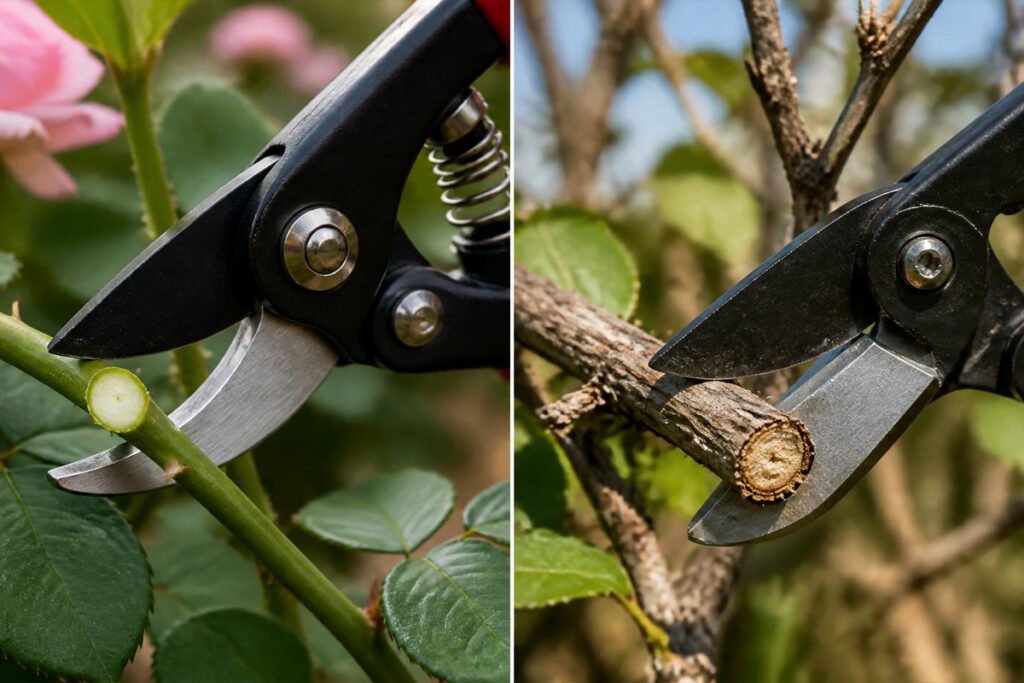
- Bypass pruners use two curved blades that slide past each other like scissors, producing a clean cut with minimal crushing. This is the standard choice for live, green growth.
- Anvil pruners use a single sharp blade that closes onto a flat metal “anvil.” They apply more force but crush soft tissue, so they’re best saved for dead or dried-out wood.
- Ratchet pruners work like anvil pruners but cut in stages, multiplying grip strength — a genuine advantage for anyone with weak hands or joint pain.
Choosing the wrong type is one of the most common mistakes covered in our guide to gardening tools for vegetable gardens, since using an anvil pruner on live stems can leave torn, disease-prone wounds instead of a clean cut.
How to Choose the Right Pruning Shears {#how-to-choose}
Before buying, ask yourself three questions:
- What am I cutting most often? Live stems and roses call for bypass; dead wood and thick, dry branches call for anvil or ratchet.
- How much grip strength do I have? If pruning leaves your hand sore, a ratchet mechanism or a lighter aluminum-handled model will make a real difference over a full afternoon.
- Am I right- or left-handed? Most pruners are built right-handed by default; left-handed gardeners get a noticeably cleaner cut from a pruner with reversed blade geometry rather than forcing a standard pair.
Because pruning tools cut into living plant tissue, cleaning and disinfecting them matters more than most gardeners realize — a dirty blade can spread disease from one plant to the next. The University of Maryland Extension has a clear breakdown of how and when to disinfect pruning tools between cuts, which is worth a read before your first pruning session of the season.
Best Pruning Shears Available {#best-pruning-shears}
1. Felco 2 (Classic Bypass Pruner)
Overview: The Felco 2 is the pruner most professional landscapers and nursery workers reach for, and it’s been in production largely unchanged for decades because the design simply works. Swiss-made, with a forged steel blade and a lightweight aluminum handle, it’s built to be repaired rather than replaced — springs, blades, and handles are all individually swappable.
Key Features:
- Forged, hardened-steel bypass blade that holds an edge through heavy seasonal use
- Individually replaceable parts (blade, spring, handle) for a genuinely multi-decade lifespan
- Ergonomic curved handle designed to reduce hand fatigue
- Available in a left-handed version
Best For: Gardeners who prune often and want a tool that lasts a lifetime with basic maintenance.
Pros: ✅ Exceptional cut quality and durability ✅ Fully repairable ✅ Comfortable for extended use Cons: ❌ Higher upfront cost than most home-gardener pruners ❌ Requires occasional blade sharpening to stay at its best
Our Verdict: If you prune roses, shrubs, or fruit trees every week, the Felco 2 pays for itself over the years simply by not needing replacement. Pair it with proper technique from our pruning guide and it will outlast several cheaper pruners.
2. Corona ClassicCut Bypass Pruner
Overview: Corona’s ClassicCut is a heavier, forged-steel bypass pruner that trades some of the Felco’s refinement for ruggedness at a lower price point. The straight-handle design and solid steel construction make it feel more like a workhorse tool than a precision instrument, but the cut quality is excellent.
Key Features:
- Solid forged-steel blade with a smooth, clean cutting action
- Straight-handle design for a firm, stable grip
- Sap groove to reduce blade drag and buildup
- Sturdy locking mechanism
Best For: Gardeners who want near-professional cut quality without the professional price tag.
Pros: ✅ Outstanding durability for the price ✅ Cuts cleanly through moderately thick stems ✅ Widely available Cons: ❌ Heavier than aluminum-handled pruners ❌ Straight handle can feel less comfortable on high-pressure cuts
Our Verdict: A genuinely excellent mid-range bypass pruner. If a Felco feels like more tool than you need, the ClassicCut covers the same everyday pruning tasks at less than half the cost.
3. Fiskars Softgrip Bypass Pruner
Overview: The Fiskars Softgrip is the pruner most home gardeners already own, and for good reason — it’s affordable, widely stocked, and performs well above its price point. The precision-ground steel blade and cushioned, non-slip handle make it an easy daily-use pick.
Key Features:
- Precision-ground steel blade for clean cuts on stems up to roughly 5/8 inch
- Soft, non-slip grip that reduces hand fatigue
- Lightweight construction for extended pruning sessions
- Sap-resistant coating on some models
Best For: Everyday deadheading, light pruning, and gardeners who want reliable performance on a budget.
Pros: ✅ Very affordable ✅ Comfortable grip for long sessions ✅ Good cut quality for the price Cons: ❌ Not built for thick, woody branches ❌ Handles and springs aren’t individually replaceable
Our Verdict: For light-duty pruning around flower beds and vegetable gardens, this is the pruner most gardeners should start with. It complements the garden gadgets and accessories most people already keep in a tool caddy.
4. Gonicc 8″ Professional Ratchet Anvil Pruner
Overview: For gardeners dealing with hand fatigue, arthritis, or reduced grip strength, the Gonicc ratchet pruner is a genuine problem-solver. Its stepped ratchet mechanism lets you close a cut in several light squeezes instead of one hard pinch, multiplying your hand’s cutting power.
Key Features:
- Ratcheting mechanism that reduces required grip force significantly
- High-carbon steel anvil blade for dead and dry wood
- Non-slip ergonomic handle
- Locking mechanism for safe storage
Best For: Gardeners with limited hand strength, arthritis, or anyone doing heavy dead-wood cleanup.
Pros: ✅ Dramatically easier on the hands ✅ Handles thicker, drier branches well ✅ Affordable Cons: ❌ Not ideal for live, soft stems (can crush tissue) ❌ Slower per-cut than a bypass pruner
Our Verdict: Keep this as a second pruner alongside a bypass model — use it for winter cleanup and dead-wood removal, and save your bypass pruner for live growth.
5. ARS Left-Handed Bypass Pruner
Overview: Left-handed gardeners are usually stuck compensating with right-handed tools, which leads to a slightly compressed, less clean cut over time. ARS makes a dedicated left-handed bypass pruner with reversed blade geometry built specifically for left-hand use.
Key Features:
- Reversed blade geometry designed for a left-hand grip
- Lightweight forged blade
- Comfortable curved handle
- Reliable locking mechanism
Best For: Left-handed gardeners who want the same cut quality right-handed gardeners get from a standard pruner.
Pros: ✅ Purpose-built for left-handed use ✅ Clean, precise cuts ✅ Comfortable grip Cons: ❌ Smaller selection of retailers carry it ❌ Premium price similar to top-tier bypass pruners
Our Verdict: If you’re a left-handed gardener who has always “made do” with a standard pruner, this is worth the upgrade — the difference in cut quality is noticeable.
Comparison Table {#comparison-table}
| Pruner | Best For | Type | Cutting Capacity | Hand Strength Needed |
|---|---|---|---|---|
| Felco 2 | Frequent, professional-level pruning | Bypass | ~1 inch | Moderate |
| Corona ClassicCut | Rugged, near-professional cutting | Bypass | ~1 inch | Moderate-High |
| Fiskars Softgrip | Everyday light pruning | Bypass | ~5/8 inch | Low-Moderate |
| Gonicc 8″ Ratchet | Dead wood, limited grip strength | Ratchet/Anvil | ~3/4 inch | Low |
| ARS Left-Handed | Left-handed gardeners | Bypass | ~3/4 inch | Moderate |
Best Pruning Shears for Different Gardening Needs {#different-needs}
For Vegetable Gardens
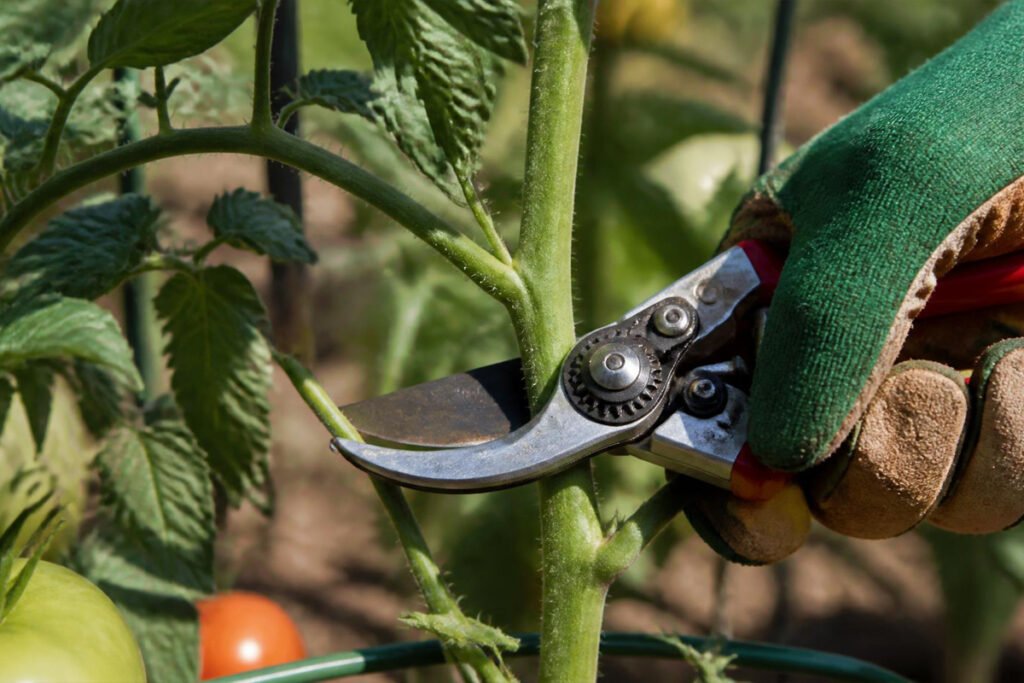
Vegetable plants — tomatoes, peppers, squash vines — usually need light, precise pruning rather than heavy cutting force. A compact bypass pruner like the Fiskars Softgrip pairs well with the techniques in our how to prune vegetable plants guide, and works nicely alongside trellises and plant supports when training vines. If you’re also managing pest damage on stems, our organic pest control guide covers what to do before reaching for the shears.
For Roses and Ornamentals
Roses demand precision — a crushed cane heals poorly and invites disease. A sharp bypass pruner like the Felco 2 or Corona ClassicCut is essential here, and pairing it with a good pair of gardening gloves protects your hands from thorns during close work.
For Fruit Trees and Woody Shrubs
Fruit trees mix live growth with dead wood, so most experienced gardeners keep two pruners on hand: a bypass for live branches and an anvil or ratchet model like the Gonicc for dead wood removal. This also pairs naturally with seasonal cleanup tasks like managing garden storage and organization so tools don’t sit out and rust between uses.
How to Use Pruning Shears Correctly {#how-to-use}
Step 1: Inspect the Plant
Look for the branch collar or node you’re cutting back to, and identify any dead, diseased, or crossing branches first.
Step 2: Position the Blade
With a bypass pruner, keep the sharp (cutting) blade closest to the part of the plant you’re keeping, not the piece being removed.
Step 3: Make the Cut
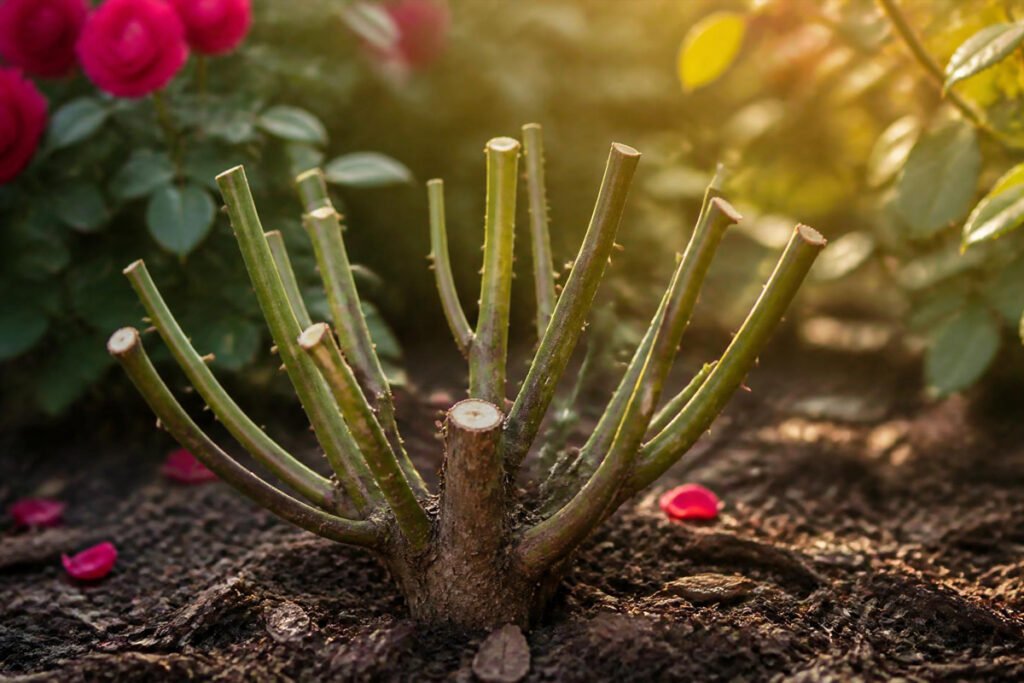
Cut at a slight angle just above a bud or node, using one smooth motion rather than sawing back and forth.
Step 4: Clean the Blade
Wipe sap and debris off the blade between plants, especially if you’re moving between diseased and healthy growth.
Step 5: Store Properly
Close and lock the pruner before storing it, and keep it dry to prevent rust.
Common Mistakes {#common-mistakes}
- Using an anvil pruner on live stems. This crushes plant tissue instead of cutting it cleanly, slowing healing and increasing disease risk. Stick with bypass pruners for anything green and growing — see our note on this in the gardening tools guide.
- Skipping blade maintenance. Dull blades crush rather than cut, no matter how good the pruner. Regular sharpening and cleaning solves most “my pruner isn’t working well anymore” complaints.
- Cutting branches too thick for the tool. Forcing a small pruner through a branch beyond its rated capacity damages both the blade and the plant. If you’re regularly cutting anything over an inch, you likely need loppers, not pruners — a gap worth checking against your current garden hand tools.
Expert Tips {#expert-tips}
- Match your pruner to the task, not the other way around. Keeping a bypass and an anvil/ratchet pruner on hand means you’re never forcing the wrong tool onto a cut it wasn’t designed for.
- Disinfect between diseased and healthy plants, not just at the end of the season, if you’re working around anything showing signs of blight, canker, or fungal spotting.
- Sharpen before storage, not before use. A pruner put away sharp is ready the moment you need it next season, rather than sitting dull through a first spring cut.
[IMAGE 6 — Final Result | Alt text: “clean pruning cut on healthy plant stem”]
Final Thoughts {#final-thoughts}
Best overall: The Felco 2 remains the benchmark for a reason — it’s built to be repaired, not replaced, and the cut quality shows it. Best value: The Fiskars Softgrip delivers most of the performance home gardeners need at a fraction of the cost. Best for limited hand strength: The Gonicc ratchet pruner turns a painful task into an easy one for gardeners with arthritis or weak grip.
Whichever pruner you choose, pair it with correct technique from our pruning guide, keep it clean using guidance like the soil and tool care basics we cover elsewhere on the site, and store it properly using our garden storage and organization recommendations.
Frequently Asked Questions {#faq}
Do I really need both a bypass and an anvil pruner? Not strictly, but most experienced gardeners keep both. Bypass pruners handle the majority of everyday tasks on live plants, while an anvil or ratchet pruner makes dead-wood cleanup faster and easier on the hands.
How long do pruning shears last? A cheap pair with non-replaceable parts typically lasts 5–10 years with care. Professional-grade pruners with replaceable blades and springs, like the Felco line, can last decades.
Bypass vs. anvil — which cuts cleaner? Bypass pruners cut cleaner on live stems because the two blades slide past each other like scissors. Anvil pruners press a single blade onto a flat surface, which works well on dead wood but can crush live tissue.
Why do my cuts look ragged even with a sharp pruner? This usually means the branch is too thick for the tool’s rated capacity, or the cut angle is wrong. Check your pruner’s capacity rating and review proper cutting technique in our pruning guide.
Can I use pruning shears on vegetable plants? Yes — a lightweight bypass pruner is ideal for pinching suckers, removing damaged leaves, and light trimming on tomatoes, peppers, and vining crops.
Is it worth buying a left-handed pruner? If you’re left-handed and prune regularly, yes. Standard pruners give left-handed users a slightly compressed cut over time, and a dedicated left-handed model noticeably improves cut quality.
How often should I sharpen my pruning shears? Light users can sharpen once or twice a season; frequent users may need to touch up the edge every few weeks during heavy pruning periods.
Do I need to disinfect pruning shears between every cut? Not for routine pruning, but yes when working around plants showing signs of disease — moving a pathogen between plants on a dirty blade is a common way infections spread through a garden.
What’s the difference between pruning shears and loppers? Pruning shears are one-handed tools for stems up to about an inch thick. Loppers use two-handed leverage for thicker branches beyond a pruner’s capacity.
Are expensive pruners actually worth it? For occasional gardeners, a mid-range pruner like the Fiskars Softgrip is plenty. For anyone pruning weekly — roses, fruit trees, ornamental shrubs — a repairable professional model like the Felco 2 saves money over the years by not needing replacement.
Author: Pamela Reese Last Updated: August 2026