
If you have ever hauled a bag of soil across the yard on your shoulder, then made six more trips because the bags kept splitting, you already know the problem. Moving mulch, compost, soil, and plants by hand is slow, hard on your back, and a quick way to lose the energy you wanted to spend actually gardening. A good wheelbarrow turns an exhausting afternoon into a manageable one.
The trouble is that wheelbarrows are not all alike. A tippy single-wheel model that is perfect for a contractor can be a nightmare on soft garden soil. A big dump cart can be too wide for your garden gate. And a cheap pan with a thin tire will flatten, bend, or rust long before you get your money’s worth.
This guide helps you find the best garden wheelbarrow for your yard, your strength, and your budget. We compare the main types, explain what features matter, and show you how to use one without wrecking your back or your lawn. If you are building out your tool shed, our guide to the best gardening tools for vegetable gardens is a good companion read, and so is our roundup of essential gardening accessories.
Quick Answer
The best garden wheelbarrow depends on what you haul and where you haul it. A single-wheel steel model suits heavy digging, concrete, and rough ground. A single-wheel poly model suits mulch and compost on a budget. A two-wheel wheelbarrow suits anyone who worries about tipping, and a four-wheel dump cart suits large yards and repeated heavy loads. Choose the lightest option that is stable on your terrain and fits through your narrowest gate, and you will use it far more often.
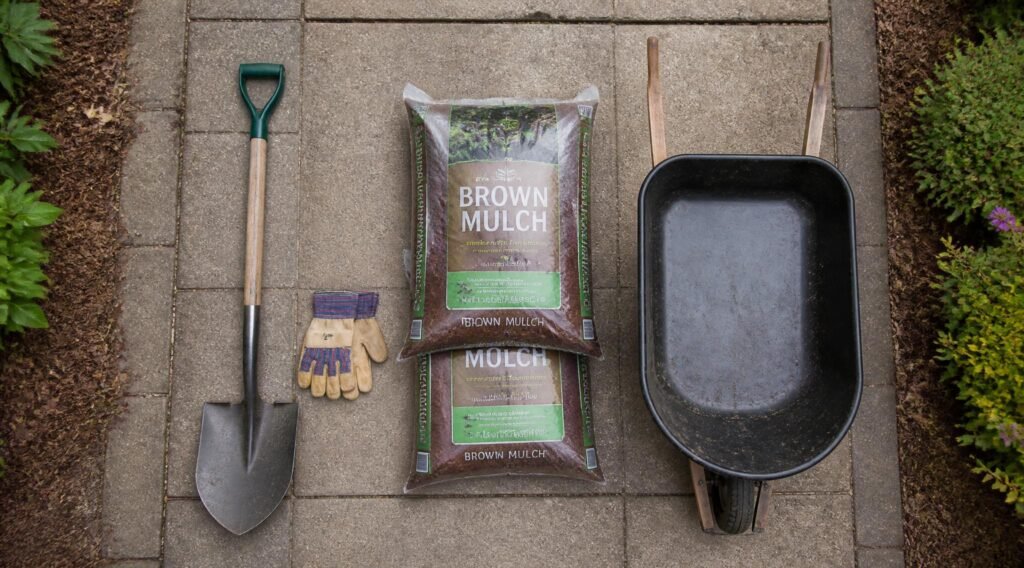
Table of Contents
- What Is a Garden Wheelbarrow and How Does It Work?
- How to Choose the Best Garden Wheelbarrow
- Best Garden Wheelbarrow Types Compared
- Comparison Table
- Best Wheelbarrow for Different Garden Jobs
- How to Use a Wheelbarrow Correctly
- Common Mistakes
- Expert Tips
- Final Verdict
- Frequently Asked Questions
What Is a Garden Wheelbarrow and How Does It Work?
A wheelbarrow is a simple lever. The load sits in a tray, the wheel acts as the pivot at the front, and your hands lift at the handles on the far end. Because the wheel carries a large share of the weight, you are only lifting a fraction of the load. That is why a wheelbarrow can move several hundred pounds of material that you could never carry in your arms.
A garden wheelbarrow is built for lighter, more varied work than a construction model. You are moving compost, topsoil, mulch, potted plants, harvested squash, and the occasional pile of branches. That means weight, balance, and maneuverability matter more than raw capacity. A tray that is easy to dump and a frame that is easy to steer beat a giant tub that is hard to control when full.
The best garden wheelbarrow also protects your growing space. Soft beds, lawn, and raised bed paths can be damaged by narrow tires and heavy loads. A wider tire spreads the weight and leaves fewer ruts. If you are building new beds, a wheelbarrow pairs naturally with a good raised garden bed kit or the materials covered in our raised bed materials guide, since filling beds is one of the heaviest jobs of the year.
The Four Parts That Matter
- Tray (the tub): Steel, polyethylene (poly), or galvanized metal. This sets durability, weight, and how easily material slides out.
- Wheel and tire: Pneumatic (air-filled) rolls smoothly but can puncture. Flat-free solid tires never go flat but ride harder.
- Frame and handles: Steel tube handles are strongest. Wood handles are lighter and more comfortable but can crack over time.
- Wheel count: One wheel turns tightly. Two wheels add stability. Four wheels remove the lifting entirely.
How to Choose the Best Garden Wheelbarrow
Before you compare models, answer three simple questions. They narrow the field faster than any spec sheet.
1. What will you haul most often? Light, bulky loads like mulch and leaves reward a large poly tray. Dense loads like wet soil, gravel, and stone reward a strong steel tray. If most of your hauling is compost, see how it fits with a compost tumbler or composting bin system, because finished compost is heavier than it looks.
2. How tight is your space? Measure your narrowest gate, path, and the gap between raised beds. A wide dump cart is useless if it will not fit through the side gate. Measure first, shop second.
3. How strong and steady are you? If balancing a heavy single-wheel load is tiring, choose two wheels. If lifting handles is the problem, choose a four-wheel cart. Comfort and safety matter more than saving a few dollars.
For extra buying guidance, the University of Georgia Extension publishes a garden tool guide covering carts and wheelbarrows. It notes that the consumer options for garden carts have grown a lot, and that the right pick depends on intended use and budget.
Features Worth Paying For
- A tray capacity of about 3 to 6 cubic feet for most home gardens.
- A front lip or shaped tray so material dumps cleanly.
- Comfortable, grippy handles that still feel good with gloves on.
- A wide tire or flat-free tire for soft ground.
- Sturdy, bolted joints rather than flimsy welded ones.
Best Garden Wheelbarrow Types Compared
Rather than chase individual models that change every season, it helps to understand the four main types. Within each type, look for a reputable brand with a clear warranty and easy-to-find replacement tires and parts. Well-known names in this space include Gorilla Carts, Jackson, Ames, and Truper, but always confirm current specs and ratings on the manufacturer’s page before you buy.
1. Single-Wheel Steel Wheelbarrow
Overview: The classic. A steel tray, steel or wood handles, and one pneumatic or flat-free tire. It turns on a dime, climbs small steps, and handles dense, heavy loads without flexing. This is the tool most people picture when they say “wheelbarrow.”
Key Features:
- Heavy-duty steel tray that resists dents and punctures
- Tight turning radius for narrow garden paths
- Easy to dump and easy to scrape clean
- Wide range of sizes and prices
Best For: Heavy digging, soil, gravel, stone, and rough ground.
Pros: ✅ Very durable ✅ Excellent maneuverability ✅ Handles dense loads
Cons: ❌ Heavier when empty ❌ Can tip if the load is off-center
Our Verdict: If you move heavy, dense material and have the strength to balance it, a steel single-wheel model is the best all-around garden wheelbarrow. Choose a galvanized or painted tray to slow rust, and pair it with a good garden spade or shovel for loading.
2. Single-Wheel Poly Wheelbarrow
Overview: A molded plastic tray on a steel frame. Poly will never rust, so it is a smart choice for wet climates and for hauling damp compost. It is noticeably lighter than steel, which makes it easier to push and easier to store.
Key Features:
- Rust-proof, dent-resistant tray
- Lighter overall weight
- Slick surface that releases wet material easily
- Usually lower in price than steel
Best For: Mulch, compost, leaves, and light to medium loads.
Pros: ✅ Never rusts ✅ Light and easy to push ✅ Budget friendly
Cons: ❌ Can crack under extreme loads or cold ❌ Not ideal for sharp rock or concrete
Our Verdict: For most backyard gardeners who spread mulch and move compost, poly is the sweet spot of price and ease of use. If you are mulching your beds, our guide to the best mulches for vegetable gardens explains what to haul and how thick to spread it.
3. Two-Wheel Wheelbarrow
Overview: Two wheels sit side by side at the front, which removes the tipping problem. You still lift the handles to push, but the load stays upright without any balancing. This makes it a popular upgrade for older gardeners, beginners, and anyone working on uneven or sloped ground.
Key Features:
- Stable, self-balancing design
- Higher capacity trays are common
- Wider stance protects soft ground from deep ruts
- Often easier to park with a full load
Best For: Gardeners who worry about tipping, sloped yards, and heavy mixed loads.
Pros: ✅ Very stable ✅ Less strain on wrists and back ✅ Great for slopes
Cons: ❌ Wider and harder to turn ❌ May not fit narrow gates
Our Verdict: If balance is your main worry, a two-wheel wheelbarrow is the safest choice. Measure your gates first, and consider a garden kneeler or kneeling pad for the unloading and planting that follows.
4. Four-Wheel Garden Dump Cart
Overview: A flat or tub-style bed on four wheels, usually with a pull handle and a dump latch. You tow it instead of lifting it, which takes almost all the strain out of heavy hauling. Many carts can move large loads that would tire out anyone pushing a barrow.
Key Features:
- No lifting, since you pull instead of carry
- Dump mechanism for fast unloading
- Large capacity for repeated big jobs
- Some models fold flat or convert to a flatbed
Best For: Large yards, orchards, heavy repeated loads, and gardeners with back or joint issues.
Pros: ✅ Minimal lifting ✅ Big capacity ✅ Stable and easy to control
Cons: ❌ Bulky to store ❌ Wide turning circle, and can be too wide for tight spaces
Our Verdict: A dump cart is the best choice for larger properties or anyone who wants to protect their back. Just confirm it fits your gates, and keep your pruning tools in the bed so you can haul branches and clippings in one trip.
Comparison Table
| Type | Best For | Stability | Weight | Maneuverability |
|---|---|---|---|---|
| Single-wheel steel | Heavy, dense loads | Moderate | Heavy | Excellent |
| Single-wheel poly | Mulch and compost | Moderate | Light | Excellent |
| Two-wheel | Slopes, beginners | High | Medium | Fair |
| Four-wheel dump cart | Large yards, big loads | Very high | Heavy | Fair |
Best Wheelbarrow for Different Garden Jobs
Raised Beds and Vegetable Gardens
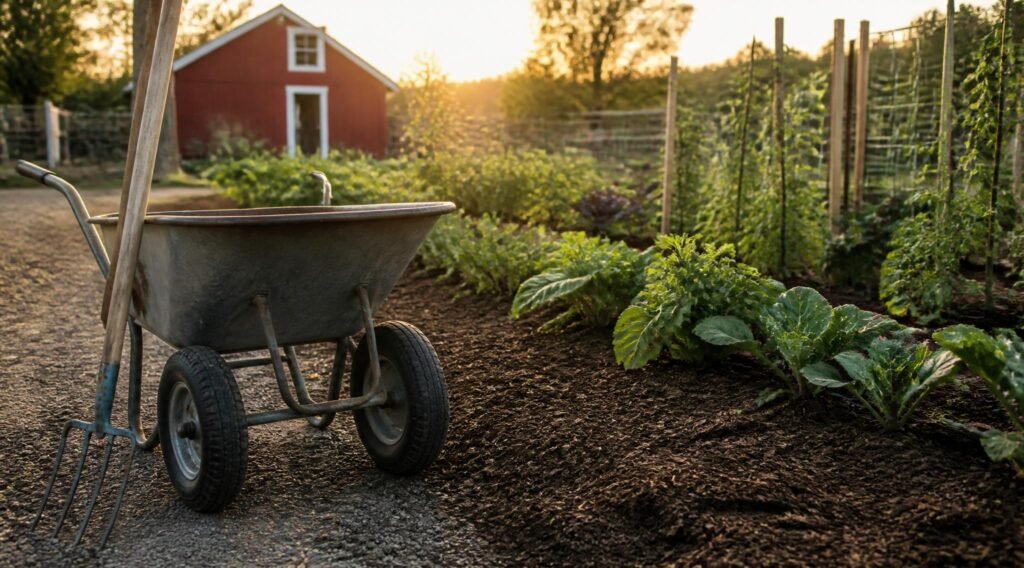
Vegetable gardens mean narrow paths, soft soil, and lots of filling and mulching. A lightweight poly wheelbarrow or a narrow single-wheel steel model fits between beds and turns easily. If you are just starting out, our raised bed vegetable gardening guide for beginners covers how much soil you will need to move, and our guide to the best garden soil helps you choose what goes in the tray. Rotating crops through your beds is easier with the right hauling tool too, as we explain in our crop rotation guide.
Compost, Mulch, and Soil Amendments
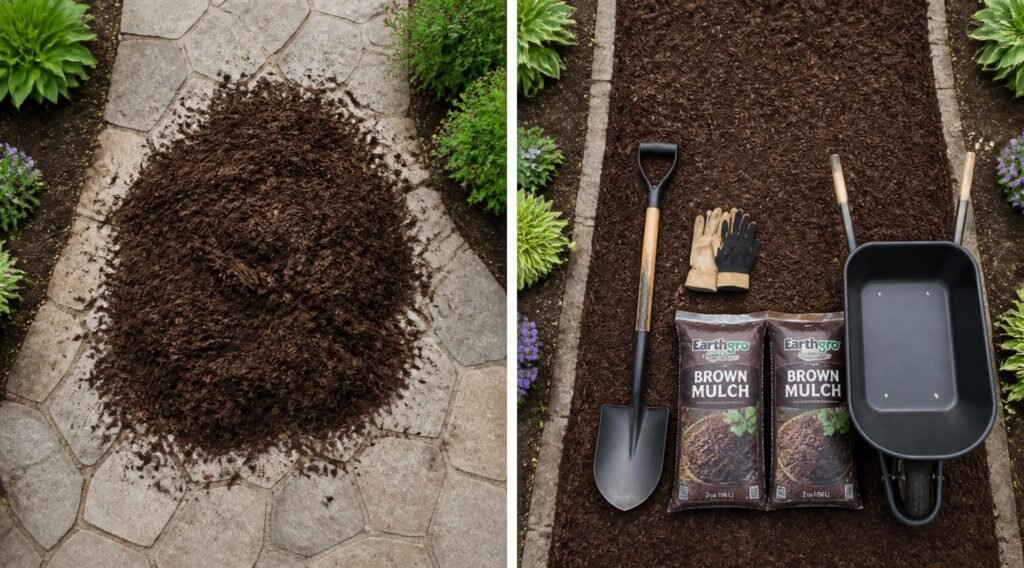
These are the loads that put the most miles on a wheelbarrow. Compost and wet mulch are heavy, so a poly tray that sheds material easily is a real advantage. Spread amendments after planting beds are set, and suppress weeds with a thick layer. Pair your wheelbarrow with a good garden hoe to keep new mulch weed-free, and use your garden hand tools for fine work around plants.
Container Gardens, Trellises, and Heavy Pots
Large pots, grow bags, and trellis frames are awkward more than heavy. A two-wheel wheelbarrow or a flat cart lets you move filled containers without tipping them. If you garden in pots, see our container vegetable gardening guide, and if you are installing supports, our roundup of trellises and plant supports shows what to haul out for the job.
How to Use a Wheelbarrow Correctly
A wheelbarrow saves your back only if you use it well. These five steps keep loads stable and your body safe.
Step 1: Prepare
Walk your route first. Clear sticks, hoses, and tools from the path, and note any slopes or soft spots. If your route crosses a lawn, lay a plank over wet areas to protect the turf.
Step 2: Check the Setup
Inspect the tire pressure, the handle grips, and the bolts on the frame. A soft tire makes pushing far harder, and a loose bolt is a safety risk. Keep your garden hose coiled and out of the way.
Step 3: Load Smart
Place heavy material low and toward the front, over the wheel, so the weight rides on the axle instead of your arms. Do not overload. A load that you can barely lift is too heavy, and you are more likely to tip or strain.
Step 4: Push, Do Not Pull
Bend your knees, keep your back straight, and lift with your legs. Push with your core rather than your arms, keeping the load close to your body. On slopes, go slowly and take smaller loads.
Step 5: Dump and Clean
Dump away from your body, then rinse the tray so wet soil and compost do not cake on and rust steel. Store the wheelbarrow upright or on its side, out of the rain.
Common Mistakes
Overloading the tray. A full tray feels fine for ten feet, then tips on the first bump. Fill it about two thirds full and make an extra trip. If you are building a compost pile from the load, our rain barrel guide shows how to keep that pile moist without hauling water by hand.
Ignoring the tire. Many people blame the wheelbarrow when the real culprit is a soft tire. Low pressure multiplies effort, so check it before every big job. A flat-free tire solves the problem for good if you tend to forget.
Leaving it wet. Rust is the number one reason steel wheelbarrows die early. Rinse and dry the tray after use, especially after hauling compost or fertilizer. Using the right sprayer for treatments keeps harsh chemicals out of the tray in the first place.
Expert Tips
Match the handles to your hands. Try the handles with your gloves on before you buy. A grip that feels fine bare-handed can be cramped with thick gloves, and comfort matters over a long afternoon.
Keep a small tray liner. An old tarp or feed sack in the tray makes dumping sticky material easier and protects the finish. It also gives you a handy way to drag a load of leaves or prunings out of the garden.
Haul smart, then water smart. Moving heavy material is half the job. Once beds are filled and mulched, set up consistent watering with a watering can or irrigation, and use our tomato cages guide and vegetable pruning guide to carry those beds through the season.
Final Verdict
There is no single best garden wheelbarrow for everyone, but there is a best one for you.
- Best overall: Single-wheel steel for strength, durability, and tight turns.
- Best budget and easiest to store: Single-wheel poly for mulch and compost.
- Best for beginners and slopes: Two-wheel wheelbarrow for stability.
- Best for big yards and bad backs: Four-wheel dump cart.
Whichever you pick, measure your gates, check the tire, and keep the tray dry. For more ways to equip your garden, explore our guides to the best loppers for thick branches, the best pruning shears and secateurs, and our full gardening tools collection.
Frequently Asked Questions
Do I really need a wheelbarrow for a small garden? Not always. For a few containers and small beds, a bucket and a good trowel may be enough. But once you move more than a couple of bags of soil or mulch, a wheelbarrow saves time and strain. Even a compact poly model is worth having.
How big should a garden wheelbarrow be? Most home gardeners do well with a tray of roughly 3 to 6 cubic feet. Smaller is easier to push when full. Larger only helps if you haul big volumes and have the strength and path width to handle it.
Is a steel or poly wheelbarrow better? Steel is stronger and better for dense, heavy loads, while poly resists rust and is lighter. For mulch and compost, poly is usually the better pick. For stone, gravel, and rough use, steel wins.
What is the difference between a garden cart and a wheelbarrow? A wheelbarrow has one or two wheels and you lift the handles to push. A garden cart has four wheels and you pull it, which removes lifting. Carts are steadier but wider and harder to turn in tight spaces.
Are two-wheel wheelbarrows worth it? Yes, if stability matters to you. They will not tip sideways the way single-wheel models do, which makes them popular with beginners and on slopes. The tradeoff is a wider body that may not fit narrow gates.
How do I stop my wheelbarrow from rusting? Rinse the tray after each use, dry it, and store it out of the rain. A coat of paint or rust-inhibiting spray on scratches helps too. Poly trays avoid the problem entirely.
Should I choose a flat-free tire? If you often get punctures from thorns, nails, or sharp debris, yes. Flat-free tires never go soft, though they ride a bit firmer. Pneumatic tires are smoother but need pressure checks.
How much weight can a wheelbarrow carry? It varies widely by model, so check the manufacturer’s rating. In practice, the limit is usually your own strength and balance rather than the frame. Moving wet soil, which is very heavy, is where many people overload.
Can I use a wheelbarrow to move potted plants? Yes, and it is a great use. A two-wheel model or flat cart is best for tall or top-heavy pots. For growing in bags, see our guide to grow bags for vegetable gardening.
How do I store a wheelbarrow over winter? Clean it, dry it, and store it indoors or under cover. Let some air out of pneumatic tires or keep them inflated, per the manufacturer’s advice, and oil any moving joints.
Author: Pamela Reese
Last Updated: October 2026