If you have ever knelt in a vegetable bed pulling weeds one at a time, you know the problem: by the time you reach the end of the row, the start looks weedy again. The best garden hoes solve that by slicing dozens of weeds at the soil surface in a single pass, while you stand upright. The catch is that “a hoe” is not one tool. Stirrup, collinear, Dutch and draw hoes all work differently, and the wrong blade for your soil or row spacing means more effort, not less.
Most gardeners end up fighting their hoe for one of three reasons. The soil is heavy clay that grabs the blade, the blade is too wide for tight rows, or the handle is too short and forces a hunched back. Many also hoe too deep, which brings fresh weed seeds up into the light.
This guide compares the five hoe styles that matter, shows which one suits your soil and garden layout, and walks through the technique that makes any hoe work better. If you are still building your overall weed plan, start with our weed control for vegetable gardens guide, then come back here to pick your tool. Pair a sharp hoe with the right mulch for vegetable gardens and weeding becomes a quick weekly job instead of a weekend chore.
Quick Answer
The best garden hoe depends on your soil and layout. Tight vegetable rows suit a narrow stirrup or collinear hoe that slices just under the surface. Open beds and paths suit a Dutch hoe, which pushes through loose soil. Hard soil, thick weeds and seed furrows call for a draw hoe. Cramped raised beds and containers work best with a short-handled hand hoe. For most vegetable gardeners, a stirrup hoe is the best all-round starting point because it cuts on both the push and the pull. Whatever you choose, keep the blade sharp, hoe on dry days, and stay shallow.
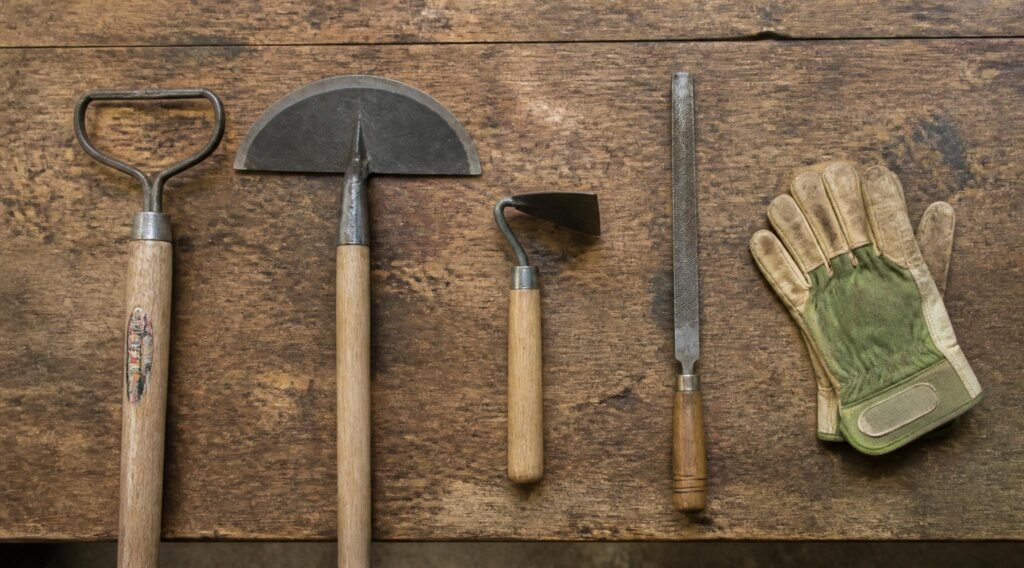
Table of Contents
- What Are the Best Garden Hoes and How Do They Work?
- How to Choose the Right Garden Hoe
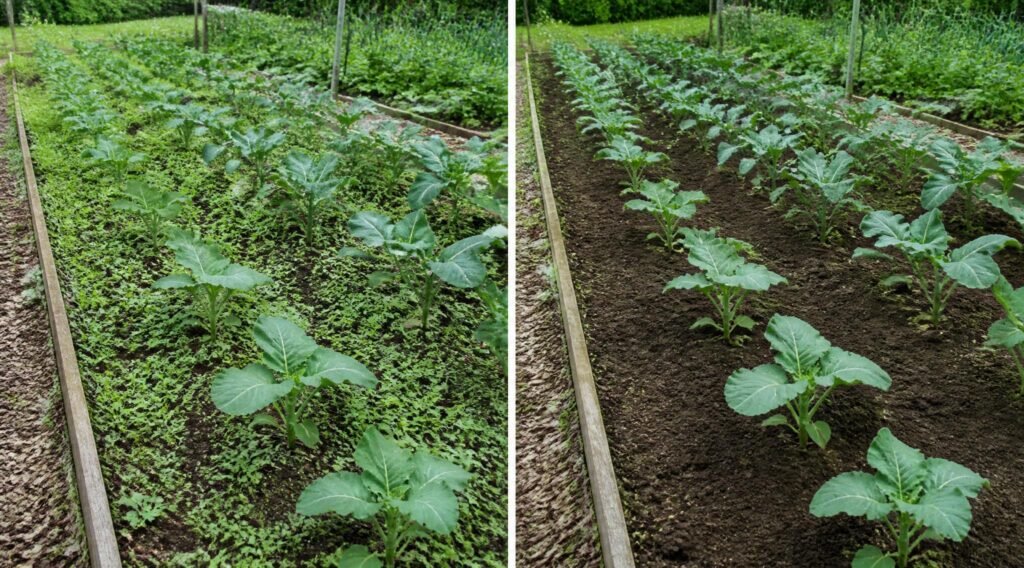
- The 5 Best Garden Hoes Compared
- Comparison Table
- Best Garden Hoes for Different Garden Types
- How to Use a Garden Hoe Correctly
- Common Hoeing Mistakes
- Expert Tips
- Final Verdict
- Frequently Asked Questions
What Are the Best Garden Hoes and How Do They Work?
A garden hoe is a long-handled tool with a flat or angled blade that cuts weeds off at or just below the soil line. Instead of pulling each weed, you slide, push or pull the blade through the top inch of soil and sever the stem from the root. Small weeds that have just sprouted die fast, especially on a dry, sunny day.
The best garden hoes share three traits: a sharp blade of hardened steel, a handle long enough to keep you upright, and a blade shape matched to the job. Blade shape is what separates the types. Stirrup, collinear and Dutch hoes slice horizontally just under the surface. Draw hoes chop downward and drag soil toward you, which makes them better for tougher work.
Timing matters as much as the tool. According to the University of California IPM program, hoeing is one of the most important weed management options in home gardens, but careless cultivation can injure shallow roots, bring weed seeds to the surface and spread some perennial weeds. The same source notes that hoes lose effectiveness once weeds get large, so the goal is to hoe early and often.
For close work around individual plants, a hoe is too blunt. That is where the tools in our guide to the best garden hand tools take over, and a good pair of gardening gloves protects your hands when you switch between the two.
How to Choose the Right Garden Hoe
Three short questions narrow the field quickly.
1. What is your soil like? Loose, well-amended soil lets a stirrup or Dutch hoe glide with little effort. Heavy clay or compacted ground grabs thin blades, so a sturdy draw hoe or a sharp collinear hoe works better. If you are not sure what you are dealing with, our soil testing and pH guide explains how to find out.
2. How tight are your rows? The blade must be narrower than the gap between plants, or you will clip the crop along with the weeds. Intensive raised beds and closely spaced rows call for a narrow blade. Wide-open rows and paths can handle a larger one.
3. How tall are you, and how long will you hoe? A handle that lets you stand with a straight back and relaxed arms prevents the hunched, sore-shoulder posture that makes people quit weeding early. Taller gardeners should look for longer handles. Lighter hoes reduce fatigue over a long session.
Also check the blade steel and the connection to the handle. A blade that holds an edge and a socket that does not wobble matter more than any extra feature.
The 5 Best Garden Hoes Compared
Editor’s note: these picks are hoe styles, not brands. Add your chosen products, prices and affiliate links at publish time.
1. Stirrup Hoe (Oscillating Hoe): Best Overall for Vegetable Rows
Overview: The stirrup hoe, also sold as an oscillating, hula or scuffle hoe, has a loop-shaped steel blade that pivots on the handle. Both edges are sharp, so it cuts weeds on the push and again on the pull. That doubles your coverage per stroke and keeps the blade skimming just under the soil instead of digging in. It handles young weeds quickly in beds that are already loose and reasonably clear of stones.
Key features:
- Double-edged pivoting blade
- Cuts in both directions
- Shallow, low-effort action
- Available in several blade widths
Best for: Closely spaced vegetable rows and established beds.
Pros: ✅ Fast coverage ✅ Easy on the back ✅ Gentle on shallow roots when used correctly
Cons: ❌ Struggles in heavy clay and rocky ground ❌ Weak on large or woody weeds
Our Verdict: If you can only own one hoe, this is the safest choice for a typical vegetable garden. It rewards regular, light passes over hard labor. Evenly spaced beds make it even more efficient, and our raised bed vegetable gardening guide shows layouts that suit it well.
2. Collinear Hoe: Best for Precision and Tight Spacing
Overview: A collinear hoe has a thin, flat blade set in line with the handle, which lets you hold it almost like a pencil and work with your wrist and arm straight. You glide the blade just under the surface to slice weed seedlings right beside your crops. The slim profile gets into spots wider hoes cannot, and the posture is comfortable for long sessions.
Key features:
- Narrow blade for tight gaps
- Handle in line with the blade
- Upright, neutral-wrist posture
- Slices weeds at the root zone
Best for: Intensive plantings, small gardens and gardeners who value precision.
Pros: ✅ Excellent control near crops ✅ Comfortable posture ✅ Works between trellis posts and supports
Cons: ❌ Narrow blade means more passes ❌ Takes a little practice to master
Our Verdict: This is the specialist’s tool. It shines where space is tight and weeds are small. If your plot is crowded with supports, pair it with the right structure from our guide to the best trellises and plant supports and you can weed right up to the posts.
3. Dutch Hoe (Push Hoe): Best for Open Beds and Paths
Overview: The Dutch hoe has a flat blade that sits at a shallow angle to the ground and cuts on the forward push. You walk backward or sideways, pushing it through loose soil just below the surface. It clears wide areas quickly, which makes it useful for paths, borders and open vegetable plots with generous spacing.
Key features:
- Flat, forward-cutting blade
- Long handle for upright work
- Good for large, open areas
- Simple, durable design
Best for: Paths, borders and wide-spaced plantings in loose soil.
Pros: ✅ Covers ground fast ✅ Simple and easy to learn ✅ Good in dry, crumbly soil
Cons: ❌ Cuts only on the push stroke ❌ Less effective in compacted or wet soil
Our Verdict: A solid pick for larger plots where speed matters more than precision. After hoeing, cover paths with the right material. Our complete guide to mulch for vegetable gardens explains what to use so weeds stay down longer.
4. Draw Hoe (Warren or Field Hoe): Best for Heavy Soil and Thick Weeds
Overview: The draw hoe has a blade set at roughly a right angle to the handle. You swing it down and pull it toward you, which chops weeds and moves soil. That chopping action handles tougher conditions than a slicing hoe: heavier soil, bigger weeds and shallow trenches for planting. It is also the classic tool for drawing soil up around crops.
Key features:
- Sturdy blade at a right angle
- Chopping and pulling action
- Makes seed furrows and hills soil
- Handles heavier, clumpy ground
Best for: Clay soil, established weeds, trenching and hilling.
Pros: ✅ Powerful in tough soil ✅ Multi-purpose, from weeding to furrowing ✅ Durable
Cons: ❌ More effort per stroke ❌ Easier to cut too deep and hit crop roots
Our Verdict: Choose a draw hoe if your ground is stubborn or you plant crops that need hilling. It is the right tool for mounding soil around potatoes, covered in our how to grow potatoes guide.
5. Short-Handled Hand Hoe: Best for Raised Beds and Containers
Overview: A short-handled hoe is a compact version of a draw or scuffle hoe, designed for kneeling or crouching work. It gives you control in small spaces where a long-handled tool would swing into plants, walls or bed edges. It is slower over big areas, but it reaches spots no long hoe can.
Key features:
- Compact head and short handle
- Fits raised beds, containers and corners
- Precise control around plants
- Easy to store
Best for: Raised beds, container gardens and tight corners.
Pros: ✅ Precise and maneuverable ✅ Works in confined spaces ✅ Easy to carry in a bucket or caddy
Cons: ❌ Requires kneeling or bending ❌ Slow for large areas
Our Verdict: A smart second hoe rather than your only one. Pair it with a comfortable pad from our guide to the best garden kneelers, and see our container vegetable gardening guide for setups where it fits best.
Comparison Table
| Hoe type | Best for | Ideal soil | Cutting action | Handle | Effort per stroke |
|---|---|---|---|---|---|
| Stirrup (oscillating) | Vegetable rows | Loose to medium | Push and pull | Long | Low |
| Collinear | Tight spacing, precision | Loose to medium | Glide under the surface | Long | Low |
| Dutch (push) | Open beds, paths | Loose, dry | Push only | Long | Low to medium |
| Draw (warren) | Heavy soil, hilling, furrows | Clay, compacted | Chop and pull | Long | Medium to high |
| Short-handled hand hoe | Raised beds, containers | Any | Chop or scuffle | Short | Medium |
Best Garden Hoes for Different Garden Types
Raised Beds and Intensive Gardens
Raised beds hold loose, amended soil and have predictable spacing, which suits narrow-bladed hoes. A collinear or small stirrup hoe slips between plants without hitting the bed edge, and a short-handled hoe covers the corners. Start with a well-built bed from our best raised garden bed kits or compare options in the guide to raised bed materials and kits. If you grow in fabric pots, our grow bags guide covers containers where only a hand hoe will fit.
Large Open Plots and Paths
When rows are wide and paths are long, speed matters. A Dutch hoe or a wide stirrup hoe lets you clear a long path in minutes. Protect young crops while you work with a row cover, and haul the pulled weeds and mulch with one of the best garden carts and wheelbarrows. Hoe the paths first, then mulch them so the job stays done longer.
Heavy Clay and Weedy New Beds
New beds and clay soil need a tougher tool. A draw hoe breaks up crusted ground and chops established weeds that a slicing blade would skate over. Loosen the worst areas first with a sturdy garden spade or shovel, then switch to a lighter hoe for maintenance. Over time, adding compost and amendments from our guide to organic fertilizers and soil amendments improves structure, so lighter hoes work better each season.
How to Use a Garden Hoe Correctly
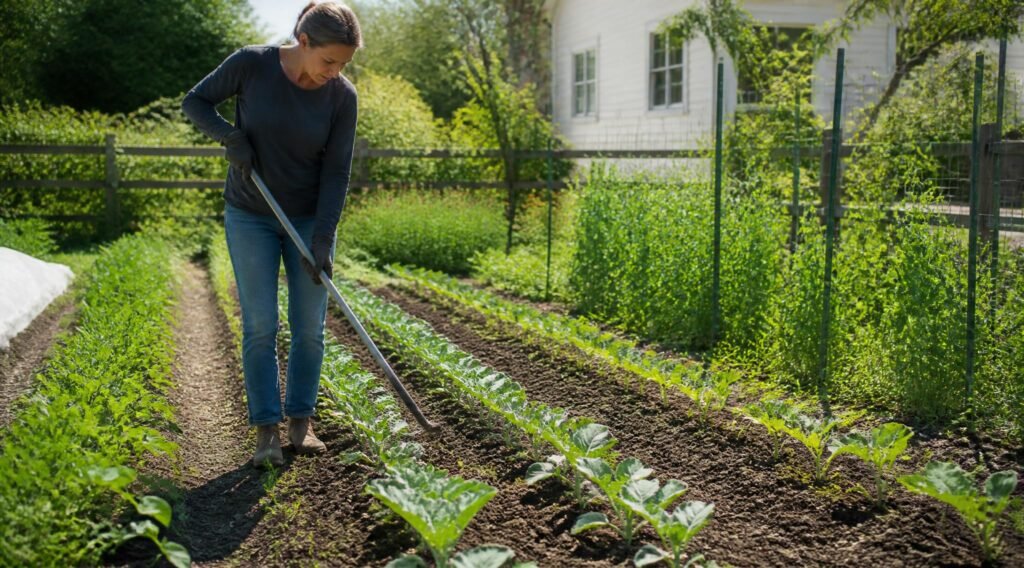
Even the best garden hoes work poorly with bad technique. Follow these five steps for a clean pass every time.
Step 1: Prepare
Pick a dry, sunny day when the soil surface is crumbly rather than sticky. Check that the blade is sharp, and remove stones or debris that could chip the edge.
Step 2: Set Up Your Stance
Stand upright with a relaxed grip and a straight back. Choose a hoe whose handle lets you do this, as covered in the buying section above. If you must bend, switch to a short-handled hoe and a kneeling pad.
Step 3: Hoe Shallow
Keep the blade nearly flat and skim the top inch or so of soil. Slice weeds from their roots rather than digging. Push-style hoes work best when you move backward or sideways so you do not step on freshly loosened ground. Stay away from the base of plants, because roots sit closer to the surface than most people expect.
Step 4: Let the Weeds Dry
On a hot, dry day, small cut weeds wither where they lie. On cool or damp days, rake them up and remove them so they cannot re-root. Larger weeds with developed roots should be pulled by hand, since hoes are not very effective once weeds are big.
Step 5: Finish and Maintain
Cover cleared soil with mulch to block light and reduce new sprouts. Wipe the blade clean, dry it, and hang the hoe off the ground. Our guide to garden storage and organization has simple ways to keep tools sharp and rust-free.
Common Hoeing Mistakes
Waiting too long. Hoeing works best on tiny weeds that have just sprouted. Once they flower and set seed, the problem multiplies. Build a quick hoeing pass into your weekly routine, and review our weed control guide for a full seasonal plan.
Hoeing wet soil. Wet, heavy soil sticks to the blade, compacts under your feet, and lets uprooted weeds re-root. Wait until the surface is dry. A soil moisture meter takes the guesswork out of timing.
Going too deep or too close. Deep cultivation brings weed seeds to the surface and can damage shallow crop roots. Keep passes shallow, and for weeds hugging a stem, switch to a tool from our best garden hand tools guide.
Expert Tips
Sharpen often. A sharp blade slices weeds with a light touch, while a dull one drags and forces you to push harder. A few strokes with a file at the start of each session makes a noticeable difference, and it protects your shoulders over a long season.
Hoe little and often. A quick pass every week or so beats a marathon session every month. Seedlings are easy to cut, and you never let weeds build up enough to set seed.
Match the hoe to the season. Use a stirrup or collinear hoe through spring and summer for maintenance, and keep a draw hoe for fall cleanup, bed preparation and hilling. Many experienced gardeners own two or three hoes rather than one.
Final Verdict
The best garden hoes are the ones that match your soil, your row spacing and your posture. Here is the short version:
- Best overall: stirrup hoe, for most vegetable gardens.
- Best for precision: collinear hoe, for tight spacing and crowded beds.
- Best for open ground: Dutch hoe, for paths and wide-spaced plantings.
- Best for tough soil: draw hoe, for clay, thick weeds and hilling.
- Best for small spaces: short-handled hand hoe, for raised beds and containers.
A sharp blade and a weekly shallow pass matter more than the exact model. To round out your toolkit, see our picks for the best gardening tools for vegetable gardens, browse the essential gardening accessories, and explore more useful garden gadgets and accessories.
Frequently Asked Questions
Do I need a hoe if I already mulch? Mulch suppresses most weeds, but some still push through, and paths and bare gaps stay open. A hoe handles the stragglers in minutes and keeps mulched beds tidy. The two work best together.
How often should I hoe my garden? A quick pass every week or so is ideal, because seedlings are easiest to cut when they are tiny. Hoe more often during the fast-growing spring flush and less in midsummer once crops shade the soil.
What is the difference between a stirrup hoe and a Dutch hoe? A stirrup hoe has a pivoting, double-edged blade and cuts on both the push and pull. A Dutch hoe has a fixed flat blade and cuts only on the push. Stirrup hoes are usually faster in rows, while Dutch hoes suit open areas.
What is the best garden hoe for clay soil? A draw hoe is usually the best choice for heavy clay because its chopping action breaks crusted ground and cuts established weeds. A sharp collinear hoe can also work once the surface is loosened. Avoid thin, flimsy blades in compacted soil.
Why is my hoe not cutting weeds? The most common causes are a dull blade, wet soil, or weeds that are too big. Sharpen the edge, wait for dry conditions, and hoe earlier next time. Large or deep-rooted weeds are better pulled by hand or dug out with a shovel.
Can a hoe remove perennial weeds? Not reliably. The University of California IPM program notes that cultivation can spread weeds that regrow from root or stem fragments. Dig these out with a spade or shovel, removing as much root as possible.
How long should the handle be? Choose a handle that lets you stand upright with relaxed arms. Taller gardeners need longer handles to avoid stooping. If you cannot find a comfortable length, try a collinear or stirrup hoe, which are usually offered in several handle options.
Can I hoe around seedlings? Yes, but use a narrow blade and keep it well clear of the stems. Seedling roots are shallow and easily damaged. For weeds right next to a plant, use a small hand tool or pull them by hand.
What should I wear for hoeing? Wear sturdy closed shoes and good gloves to prevent blisters. Our guide to the best gardening gloves covers options for every task, and a comfortable pad from our kneelers guide helps when you switch to hand work.
Author: Pamela Reese Last Updated: October 2026