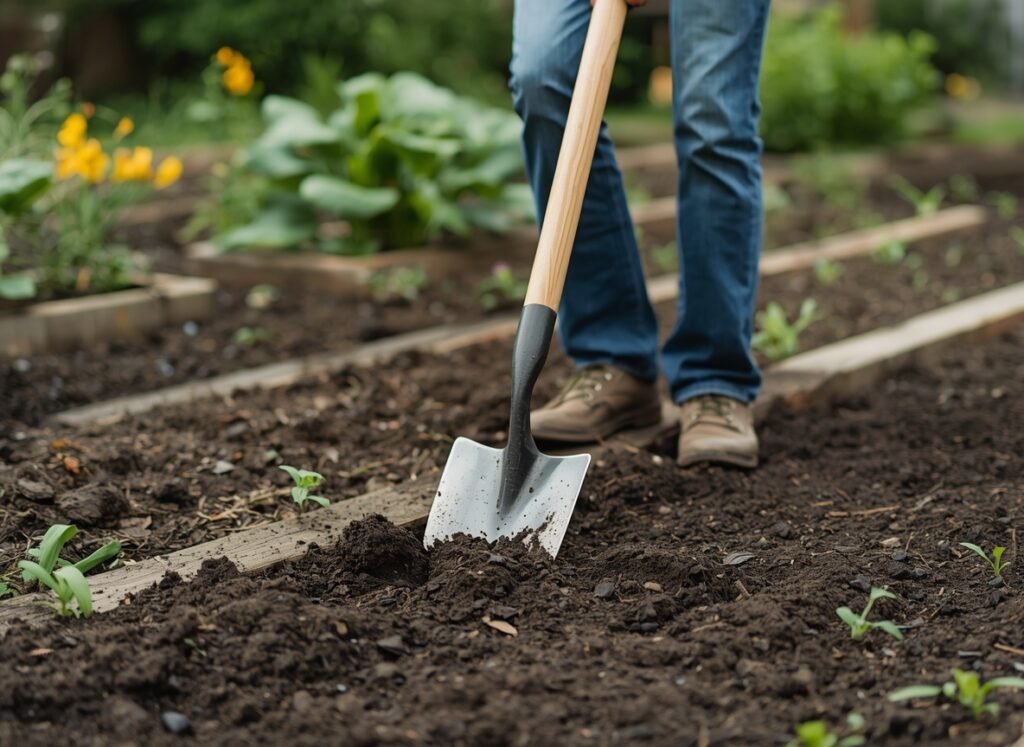
If you have ever driven a blade into hard ground only to have it bend at the first root, or finished an afternoon of bed prep with blisters and a sore lower back, you already know that the shovel does more heavy lifting than any other tool you own. Whether you are opening a new vegetable bed, planting garlic before the ground freezes, or moving a pile of compost, the best garden shovels protect your body and make the job finish faster.
We have already covered much of the digging toolkit on this site, from the best garden forks to the best garden rakes and the best garden hoes. The shovel is the missing piece, and it is the one tool every other tool on that list depends on. This guide compares five real, widely available shovels, explains who each one suits, and ends with a clear verdict so you can buy once and buy well.
Quick Answer: What are the best garden shovels in 2026?
- Best Overall: Bully Tools 12-Gauge Round Point Shovel (Model 92515), a heavy-gauge, closed-back shovel that handles clay, sod and roots.
- Best Budget: Ames 46.5-inch Fiberglass Handle Round Point Digging Shovel (Model 25332100), a light, comfortable shovel at roughly half the price of our top pick.
- Best Premium: Spear Head Spade SHLF2 (long fiberglass handle), a tapered manganese-steel blade that slices through roots and rocky soil.
- Best for Raised Beds & Clean Edges: Fiskars 46-inch Steel D-Handle Square Garden Spade.
- Best for Containers & Tight Spaces: Z&G 29.6-inch D-Handle Mini Spade Shovel.
Why the Right Shovel Matters More Than You Think
Most gardeners grab whatever shovel is on sale and only discover its flaws in the middle of a job. A blade made from thin steel flexes in clay. A handle that is too short forces you to stoop. A shovel without a proper foot step turns every push into an upper-body workout. Over a full season of digging planting holes, turning beds, edging borders and moving amendments, those small flaws add up to real fatigue.
A good shovel also protects your soil work. Clean cuts through sod and roots mean less disturbance, faster bed preparation and healthier transplants. If you are still planning your plot, our guide on how to start a vegetable garden shows where digging fits into the bigger picture, and our best gardening tools for vegetable gardens roundup explains how a shovel pairs with the rest of your kit.
Shovel vs. Spade vs. Fork: What Is the Difference?
The words get used interchangeably, but the shapes are built for different jobs. Knowing the difference keeps you from buying the wrong tool.
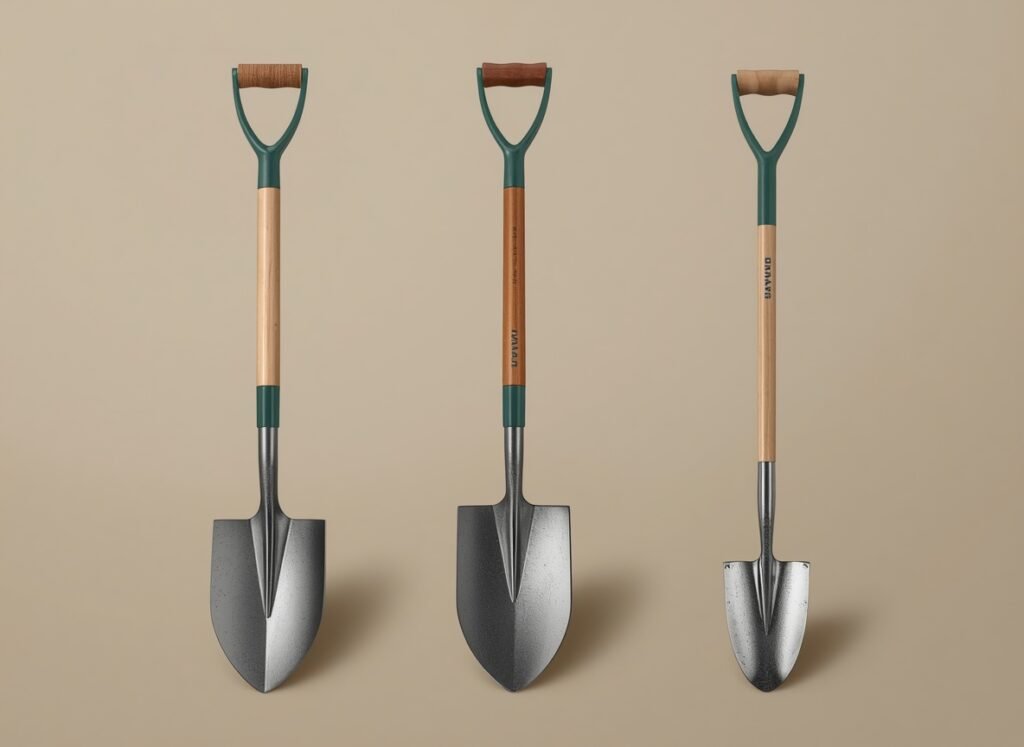
Round Point Shovels
A round point shovel has a curved, slightly pointed blade that scoops and penetrates well. It is the classic all-purpose digging tool, ideal for planting holes, turning soil, moving loose material and breaking new ground. Three of the five picks below use this shape.
Square Point Shovels and Garden Spades
A garden spade has a flatter, squarer blade. It is better at cutting straight edges, slicing turf, trimming roots and neat work inside raised beds. It moves loose material less efficiently than a round point shovel, but it makes cleaner cuts.
Mini Shovels
A mini shovel is a short-handled spade for containers, tight beds and small planting jobs. It works like an oversized trowel and is easy to store, but it is not meant for deep digging.
If your soil is compacted and you want to loosen it without cutting it, a fork is the better partner, which is why we recommend pairing a shovel with one of the tools in our garden forks guide.
What to Look for When Buying a Garden Shovel
Blade Thickness and Construction
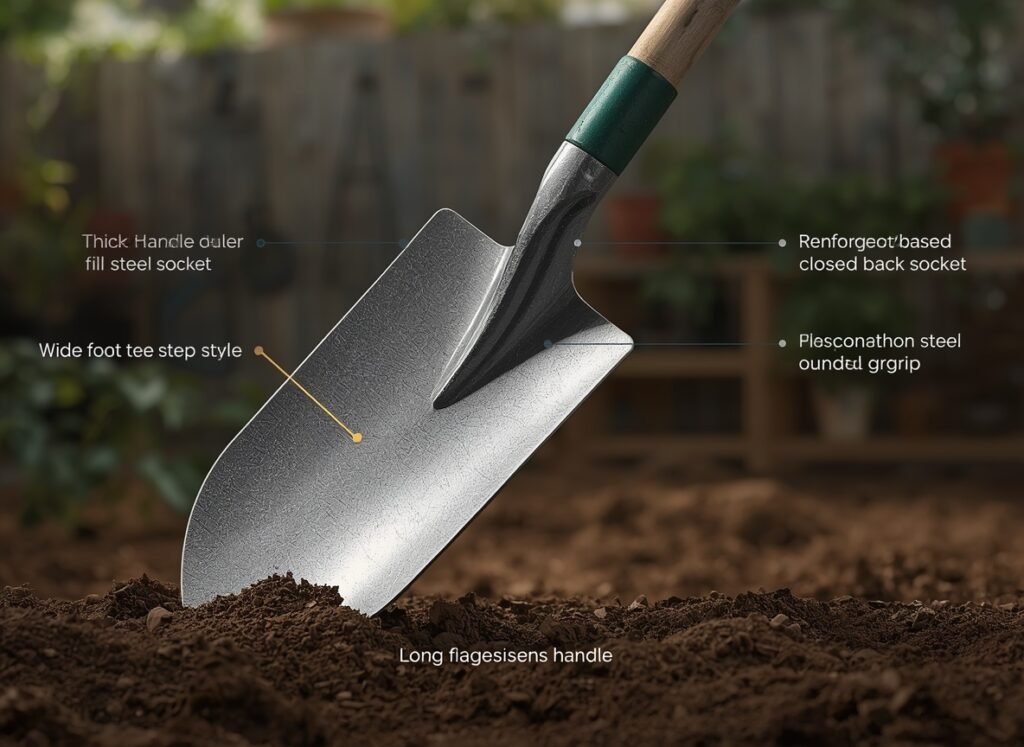
Blade steel is the heart of the tool. Heavier gauge steel resists bending in clay and around roots, while thinner steel keeps weight down but flexes under load. Look for a closed or well-reinforced socket where the handle meets the blade, because that joint is where cheap shovels fail first. Forged blades last longest, while stamped and welded blades are common at mid-range prices.
Handle Length and Type
Long, straight handles give better leverage and let taller gardeners dig without stooping. D-handles give two-handed control and are easier to maneuver in beds. For general bed preparation, a handle around 46 inches suits most adults. Shorter tools are best reserved for containers and tight corners.
Shaft Material
Fiberglass is light, weather-resistant and absorbs shock. Wood is traditional and comfortable but can splinter or rot if it is left outside. All-steel shafts are the strongest but add weight and transmit more vibration. Match the material to how you store the tool, and our garden storage and organization guide will help you keep it dry.
Weight
Full-size garden shovels usually weigh between about four and six pounds. A heavier shovel often means thicker steel, but after an hour of digging an extra pound is noticeable. Choose the lightest option that still survives your soil.
Foot Step and Grip
A wide step platform lets you use body weight rather than arm strength. A cushioned or oversized grip reduces hand fatigue. If you dig often, pair the tool with a good pair of gardening gloves to prevent blisters.
Warranty
A lifetime or unconditional warranty is a strong signal that the maker expects the tool to survive hard use.
How We Chose These Shovels
We built this list from the shovels that consistently appear in independent hands-on tests, including published reviews by BobVila.com’s product testers, and then verified specifications, handle lengths, weights and current pricing against major home-improvement retailers such as The Home Depot, Tractor Supply, Walmart and Ace Hardware. We favored tools that are in regular production, have a track record, and cover different gardening needs. Prices below are approximate retail snapshots from late November 2026 and can change, so confirm the current price and stock at the store you prefer.
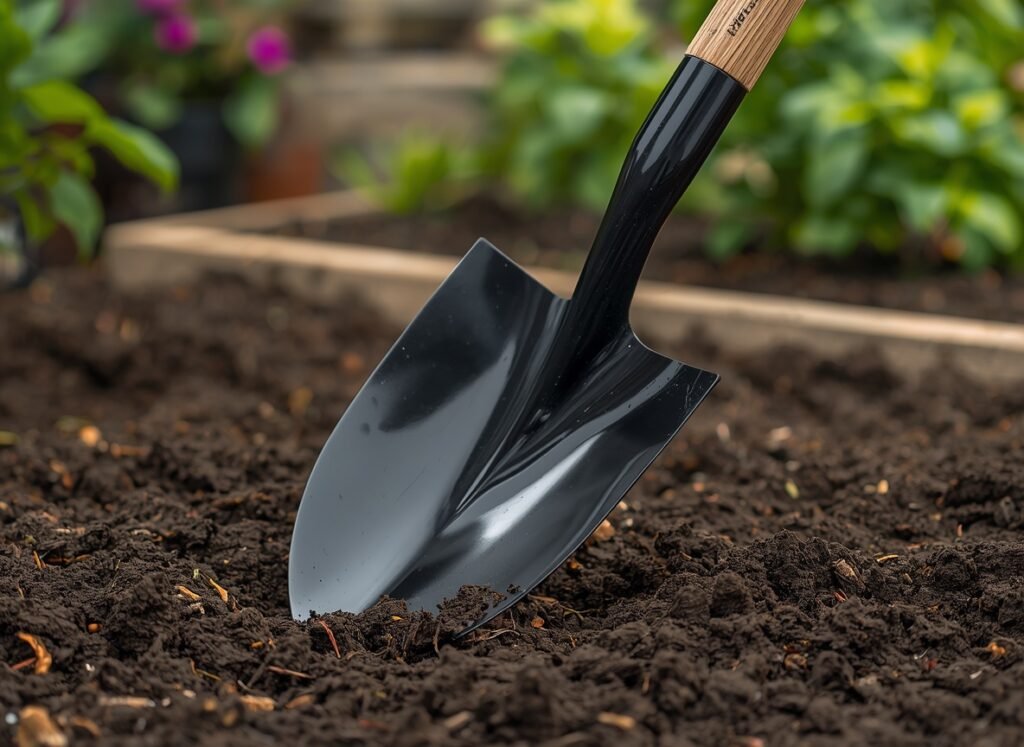
Best Garden Shovels Comparison Table
| Shovel | Best For | Type | Handle | Approx. Weight | Approx. Price |
|---|---|---|---|---|---|
| Bully Tools 12-Gauge Round Point (92515) | Best Overall | Round point digging | Long fiberglass | About 5.6 lb | About $55–$70 |
| Ames 46.5-inch Round Point (25332100) | Best Budget | Round point digging | Long fiberglass | About 4.2 lb | About $35–$40 |
| Spear Head Spade SHLF2 | Best Premium | Tapered tree-planting | Long fiberglass | About 4 lb | About $65 and up |
| Fiskars 46-inch Steel D-Handle Square Garden Spade | Raised Beds & Edging | Square garden spade | Steel D-handle | About 4.8 lb | About $30–$55 |
| Z&G D-Handle Mini Spade (29.6-inch) | Containers & Tight Spaces | Mini spade | Metal D-handle | About 2 lb | Budget range; check current price |
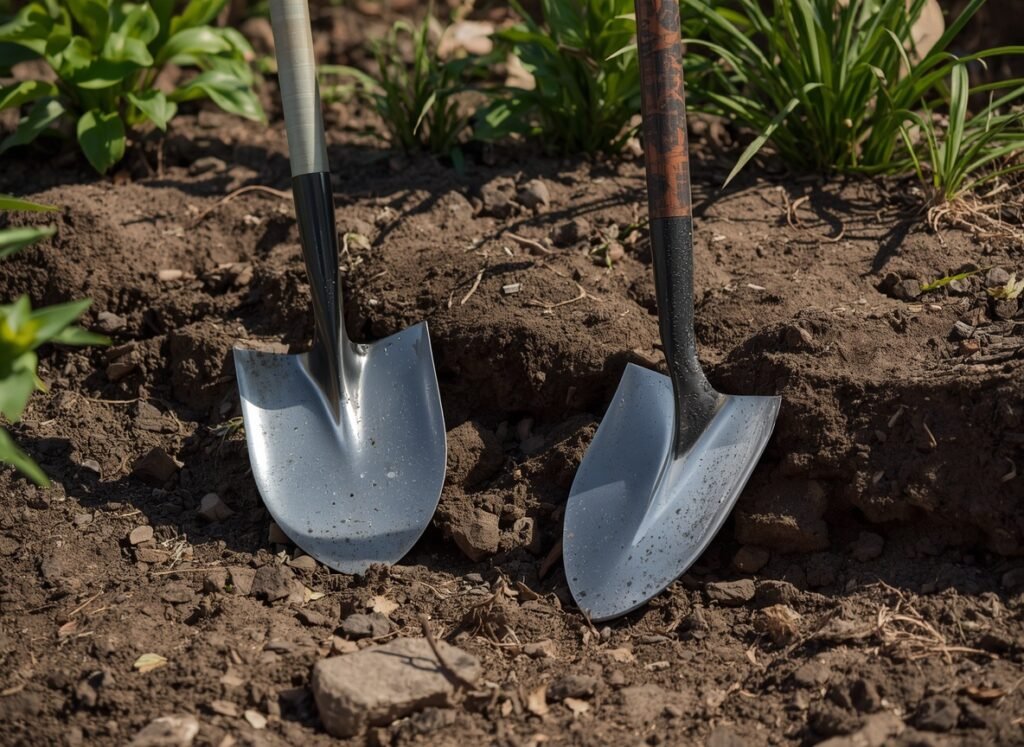
1. Bully Tools 12-Gauge Round Point Shovel (Model 92515): Best Overall
If you want one shovel that can handle almost everything in a home garden, this is the one to beat. The Bully Tools 92515 is a long-handled round point shovel built around a 12-gauge steel head, which is noticeably thicker than the 14-gauge blades common on cheaper tools. In independent testing it powered through hard-packed clay, cut cleanly through sod and roots, and stayed comfortable thanks to a cushioned grip and a handle with enough flex to soak up shock.
Key Features and Specifications
- Blade: 12-gauge steel, round point, closed-back design that resists soil buildup
- Handle: Long fiberglass shaft, roughly 47 to 48.5 inches depending on the retailer
- Weight: About 5.6 pounds
- Warranty: Limited lifetime warranty against defects
- Origin: Made in the USA
Pros and Cons
Pros
- Thick 12-gauge head shrugs off clay, sod and small roots
- Wide step area is comfortable even in soft-soled shoes
- Closed back adds strength and keeps soil from packing in
- Backed by a limited lifetime warranty
Cons
- Heaviest shovel on this list
- The weld zone where the socket meets the blade could be a weak point if you pry out large rocks or thick roots
- Costs more than budget options
Who Should Buy It
Buy the Bully if you dig often, garden in heavy clay or rooty ground, or want a long-term tool you will not replace. It is the right choice for new bed construction, trenching sod and general yard work. If you have a smaller frame or limited strength, the lighter Ames below may be more comfortable.
2. Ames 46.5-Inch Fiberglass Handle Round Point Digging Shovel (Model 25332100): Best Budget
The Ames round point shovel proves that a good garden tool does not have to be expensive. It costs roughly half as much as the Bully and weighs more than a pound less, which makes it easy to use for hours. Independent testers rated its value as high as the Bully’s, and it has built up a large number of retailer reviews, with well over 1,100 on a major home-improvement site.
Key Features and Specifications
- Blade: Tempered steel round point, roughly 8.75 inches wide and 12.25 inches long
- Handle: Steel-reinforced fiberglass, 46.5 inches, with an oversized cushion grip
- Overall length: About 61 inches
- Weight: About 4.2 pounds
- Extras: Comfort step for secure foot placement
Pros and Cons
Pros
- Excellent price for the build quality
- Lighter than most full-size digging shovels
- Wide foot step and padded grip improve comfort
- Great for general digging, planting holes and transferring soil
Cons
- Thinner steel flexes in dense clay or rocky ground
- The open-back handle socket may wear sooner under heavy abuse
- Not the best choice for daily professional-level use
Who Should Buy It
Choose the Ames if you are a casual or beginner gardener, have mostly loamy or raised-bed soil, or want a lighter tool that is easy on your back. It is also a smart second shovel to keep near the compost area or the garden wheelbarrow.
3. Spear Head Spade SHLF2 (Long Fiberglass Handle): Best Premium
The Spear Head Spade looks different from a standard shovel for good reason. Its narrow, tapered blade is shaped like an arrowhead and made from carbon manganese steel that the maker says is thicker and harder than typical shovel steel. The point finds the path of least resistance, and the beveled edges slice through roots rather than tearing them. In independent testing it cut cleanly through the main root of an established shrub while leaving the root ball intact, which makes it a favorite for transplanting.
Key Features and Specifications
- Blade: Tapered carbon manganese steel, sharpened with a beveled edge
- Handle: Steel-reinforced fiberglass with padded grips
- Weight: About 4 pounds
- Origin: Made in the USA, with an unconditional guarantee from the maker
Pros and Cons
Pros
- Excellent in rocky, compacted and root-filled soil
- Stays sharp and cuts roots cleanly
- Comfortable padded grips and a lightweight build
- Good for gardeners with limited strength, since it needs less force
Cons
- Premium price
- The narrow blade moves less soil per scoop, so bulk moving is slow
- Availability can vary, and some sellers list it as back-ordered
Who Should Buy It
This is the best premium choice for anyone planting trees and shrubs, digging in rocky ground, or dividing perennials. It is also ideal if you struggle with wrist or back strain. If you spend as much time pruning as digging, the best pruning saws make a good companion for root and branch work.
4. Fiskars 46-Inch Steel D-Handle Square Garden Spade: Best for Raised Beds & Clean Edges
Fiskars built this spade entirely from welded steel, with a powder-coated finish that resists rust and a flat, squared blade that makes straight cuts. In independent testing it earned top marks for comfort and for slicing through sod and roots. The oversized D-handle fits both hands, which gives you extra control when you are trimming a bed edge or cutting a straight trench.
Key Features and Specifications
- Blade: Hardened welded steel, square, roughly 8.5 inches wide, with an extra-large foot platform
- Handle: Steel shaft with an oversized D-handle
- Length: 46 inches
- Weight: About 4.8 pounds
- Finish and warranty: Powder-coated steel with a lifetime warranty
Pros and Cons
Pros
- Flat blade is excellent for edging, trenching and slicing turf
- All-steel construction will not splinter or flex like wood or fiberglass
- Large D-handle and foot platform reduce fatigue
- Long shaft suits taller gardeners
Cons
- Attached polyresin grip may wear out before the rest of the tool
- Not as efficient as a round point shovel for scooping loose material
- Welded joints can crack if you pry heavy rocks
Who Should Buy It
Pick the Fiskars if you maintain raised beds, cut clean borders, or work in compact vegetable plots where neat edges matter. It pairs well with a raised garden bed kit and works hard when you follow our raised bed gardening guide.
5. Z&G D-Handle Mini Spade Shovel (29.6-Inch): Best for Containers & Tight Spaces
This small all-metal spade looks like a toy at first glance, but it is surprisingly sturdy. It has a rust-resistant alloy steel blade of about 8.3 inches, a metal D-handle and a total length of just under 30 inches. At roughly two pounds it is light enough to use one-handed, and it behaves like a super-sized trowel for container mixes and tight beds.
Key Features and Specifications
- Blade: Rust-resistant alloy steel, about 8.3 inches, with a sharpened flat edge
- Handle: Metal D-handle
- Length: About 29.6 inches
- Weight: About 2 pounds (roughly 900 grams)
Pros and Cons
Pros
- Perfect for filling large pots and working inside raised beds
- Lightweight and easy to store
- Great first spade for younger gardeners
- Inexpensive compared with full-size tools
Cons
- Too short for deep or heavy digging
- Independent testers rated its comfort lower than the full-size picks
- Bare metal grip is less cushioned than the other tools here
Who Should Buy It
This is a smart secondary tool for balcony and patio growers and for anyone who works close to the ground. Pair it with the advice in our container vegetable gardening guide and keep a kneeler nearby for comfort.
Final Buyer’s Verdict
Best Overall: Bully Tools 12-Gauge Round Point Shovel (92515)
It combines thick steel, a comfortable handle, a strong warranty and USA construction. For most gardeners dealing with real soil, this is the shovel to buy.
Best Budget: Ames 46.5-Inch Fiberglass Handle Round Point Digging Shovel (25332100)
It delivers dependable everyday digging at a very low price and is lighter than the Bully. It is best for average soil and moderate use.
Best Premium: Spear Head Spade SHLF2
If your garden is rocky, rooty, or full of tree and shrub planting, the tapered manganese-steel blade makes the hardest digging noticeably easier.
Runners-Up for Specific Jobs
- Fiskars Steel D-Handle Square Garden Spade: best for edging, trenching and neat raised-bed work
- Z&G Mini Spade: best for containers and tight spaces
Still unsure? If you only buy one tool, buy the Bully. If you want to spend as little as possible without sacrificing comfort, buy the Ames.
How to Use Your Garden Shovel Safely and Efficiently
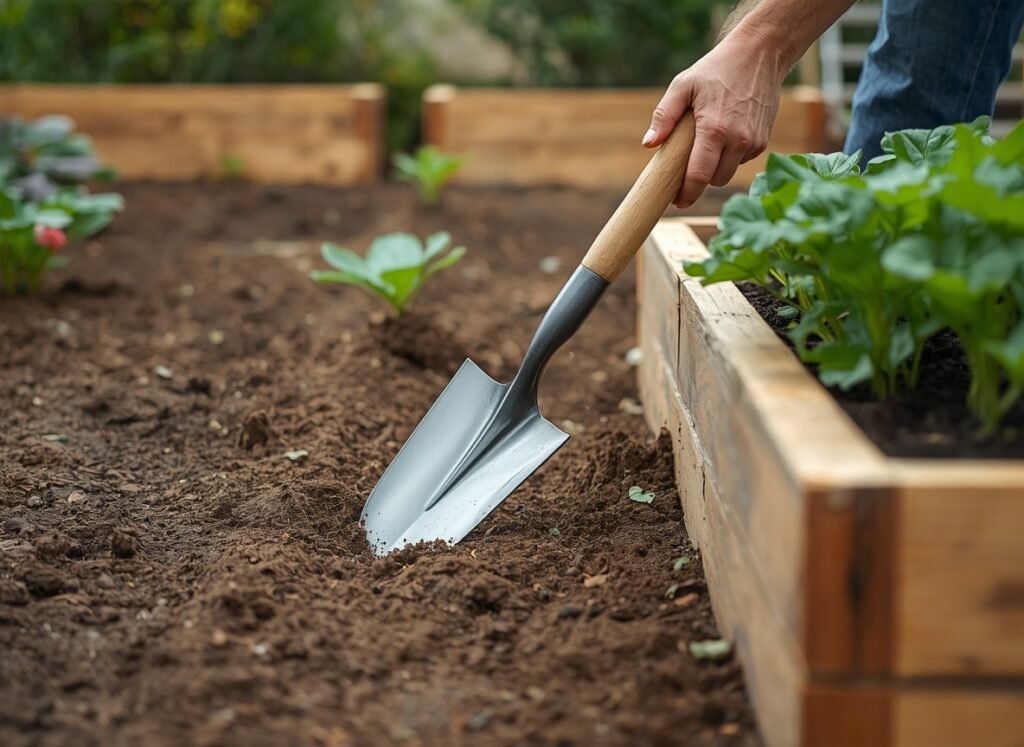
Good technique matters as much as a good tool. Place the blade where you want to dig, step onto the footplate with your body weight directly above, and let your legs, not your back, drive the blade in. Lever the soil out in manageable scoops, keep your back straight, and pivot your feet instead of twisting at the waist.
Before breaking new ground in fall, test the soil. Our soil testing and pH guide explains how, and the walkthrough on how to prepare soil for a vegetable garden shows what to add once the bed is open. Late autumn is also prime time for digging in garlic, which is covered in our garlic growing guide.
After you dig, finish the bed properly. Work in finished compost from a good composting system, consider adding organic fertilizers and soil amendments, and cover the surface with one of the best mulches for vegetable gardens to suppress weeds. A garden cart or wheelbarrow makes moving all that material much easier.
How to Care for Your Shovel
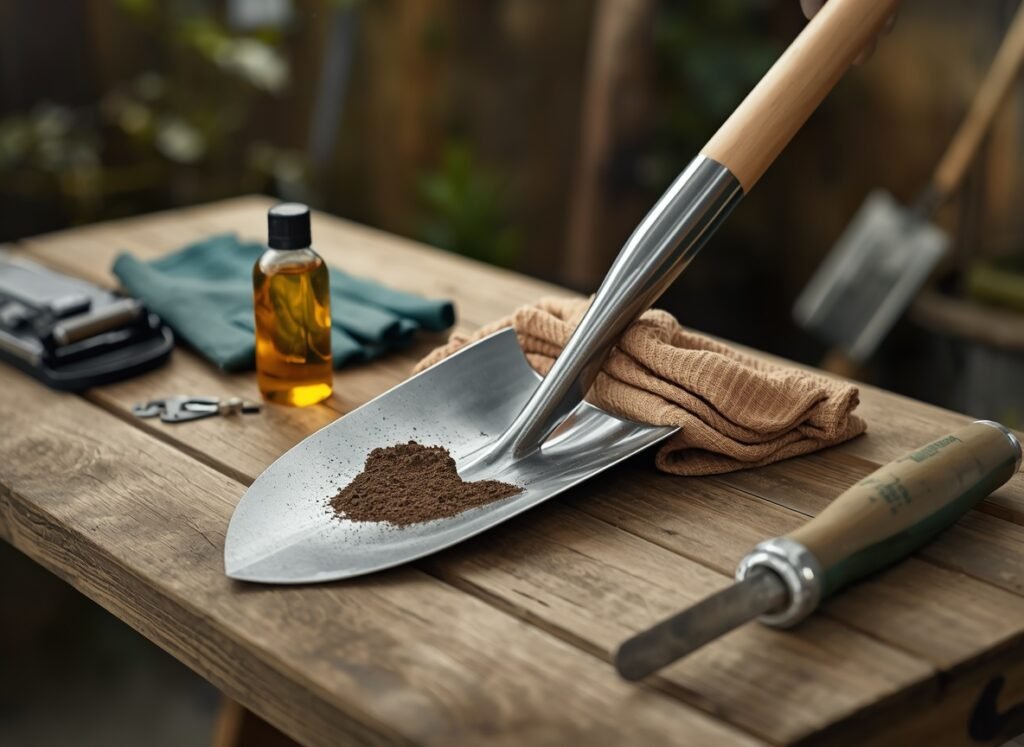
A shovel that is cleaned and stored properly can last decades. Knock off wet soil after each use, wipe the blade dry, and rub a little oil on bare steel at the end of the season. Keep wooden handles out of the rain, check fiberglass for splinters, and touch up the blade edge with a file once or twice a year for easier digging. Hang the tool off the ground in a dry spot, and see our garden hand tools guide for matching small tools that deserve the same care.
Common Mistakes to Avoid
- Using the shovel as a pry bar. Levering out large rocks or thick roots is the fastest way to crack a weld.
- Buying the wrong length. A shaft that is too short causes back strain, and one that is too long is hard to control.
- Ignoring the soil type. Heavy clay calls for thick steel, while loose soil rewards lightweight tools.
- Skipping weed control after digging. Exposed soil invites weeds, so follow up with our weed control guide for vegetable gardens and use a hand weeder for stragglers.
- Leaving it outside all winter. Moisture ruins wood handles and speeds up rust.
Frequently Asked Questions About Garden Shovels
What is the best garden shovel for general digging?
For most home gardens, a long-handled round point shovel with a thick steel blade works best. The Bully Tools 12-Gauge Round Point Shovel is our top choice, and the Ames 46.5-inch shovel is the best value alternative.
What is the difference between a shovel and a spade?
A shovel has a curved blade for scooping and digging, while a spade has a flatter, squarer blade for cutting edges, slicing roots and neat bed work. Many gardeners own both.
Is a fiberglass or wooden handle better?
Fiberglass is lighter and weather-resistant, which makes it low maintenance. Wood absorbs shock and feels natural but can splinter or rot if it is left outside. Steel handles are the strongest but heaviest.
How long should a garden shovel handle be?
Most adults are comfortable with a handle of around 46 inches. Taller gardeners may prefer a longer shaft, while a shorter D-handle shovel works better in tight spaces.
Can one shovel do every job in the garden?
A good round point shovel covers most digging and planting, but a square spade is better for edging and a mini shovel is better for containers. Pairing a shovel with a fork, rake and hoe gives you a complete system.
How do I keep a shovel from rusting?
Wipe it clean and dry after use, oil bare steel at the end of the season, and store it indoors or under cover. Powder-coated blades resist rust better, but they still benefit from care.
Final Thoughts
The best garden shovels are the ones that match your soil, your body and your garden size. For most gardeners, the Bully Tools 92515 is the safest long-term investment, the Ames 25332100 is the smartest budget buy, and the Spear Head Spade SHLF2 is the premium pick for rocky, rooty ground. Add the Fiskars spade for clean edges or the Z&G mini spade for containers, and you will have every digging job covered. Continue building your toolkit with our best garden rakes and watering and irrigation solutions, and plan next season’s beds with our crop rotation guide.