Every raised bed material promises the same thing — better drainage, warmer soil, less bending, fewer weeds — but the material you actually build with determines how many seasons that promise holds up. A bed that looks solid the first year can be rotting at the corners by year three, while another option built from the wrong material in a hot climate can quietly overheat the soil it’s supposed to protect.
The differences between raised bed materials aren’t cosmetic. Wood insulates differently than metal. Plastic composite resists rot in a way solid wood never fully can. And a fabric grow bag solves a completely different problem than any rigid bed does. Picking the wrong one for your climate, budget, or timeline means either overpaying for durability you don’t need, or replacing a bed far sooner than expected.
This guide breaks down five raised bed materials and kit types worth knowing, exactly how each one performs over time, what specific problem it solves, and why it earns its price — building directly on the foundation covered in a complete raised bed guide and paired with the right gardening tools for setup and maintenance.
Quick Answer
The best raised bed material depends on your budget, climate, and how long you want the bed to last. Cedar wood kits offer natural rot resistance and a classic look at a moderate price point. Galvanized metal beds last for decades and resist rot entirely, though they can heat up soil faster in hot climates. Composite or recycled plastic beds combine long-term durability with minimal maintenance, at a higher upfront cost. Concrete block beds are the most permanent, heaviest-duty option, ideal for a bed that will never be moved. Fabric grow bags offer the cheapest, most flexible option for renters or gardeners who need portability over permanence. Most home gardens do best matching cedar or metal to their climate and budget as a first bed, then diversifying materials as the garden expands.
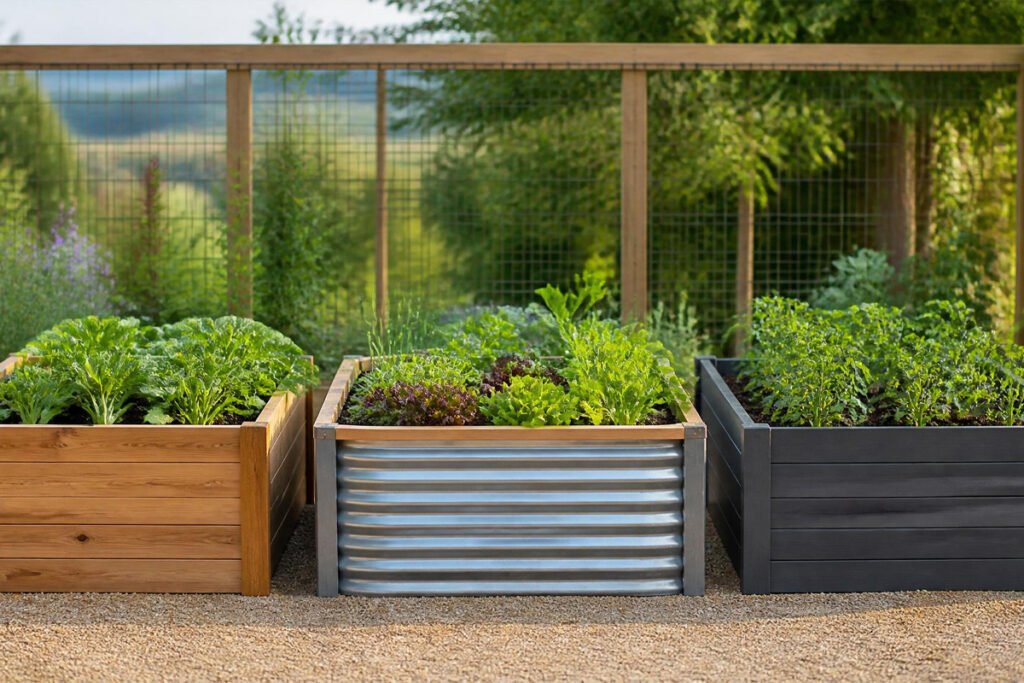
Table of Contents
- Why Raised Bed Material Choice Matters Long-Term
- How to Choose the Right Material for Your Garden
- Best Raised Bed Materials & Kits
- Comparison Table
- Raised Bed Materials for Different Climates
- How to Set Up a New Raised Bed
- Common Raised Bed Material Mistakes
- Expert Tips
- Final Thoughts
- Frequently Asked Questions
Why Raised Bed Material Choice Matters Long-Term {#why-material-matters}
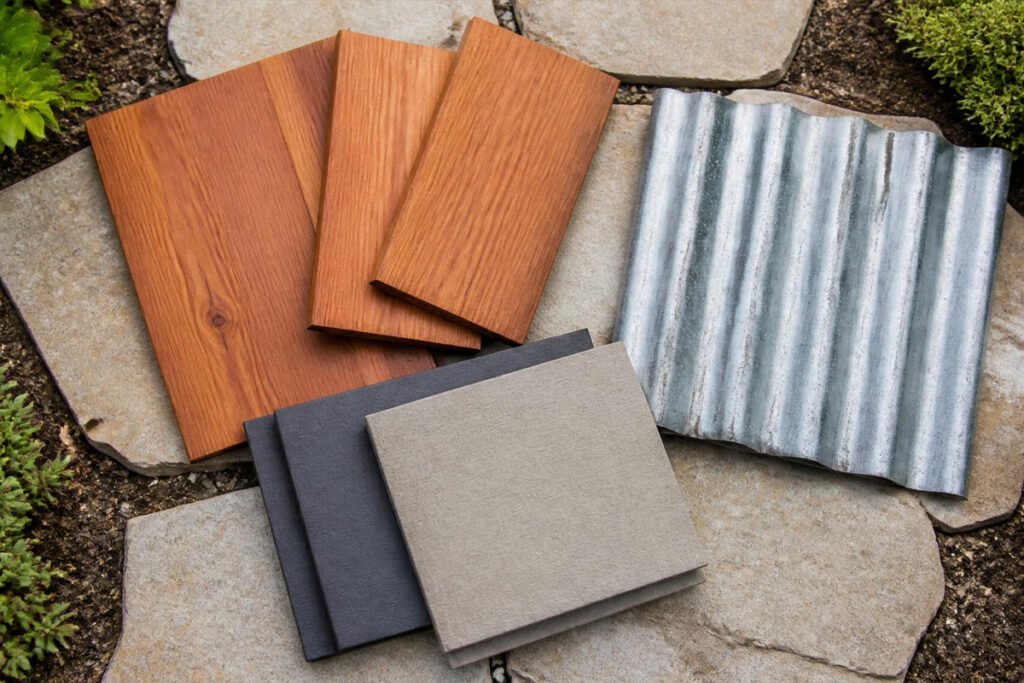
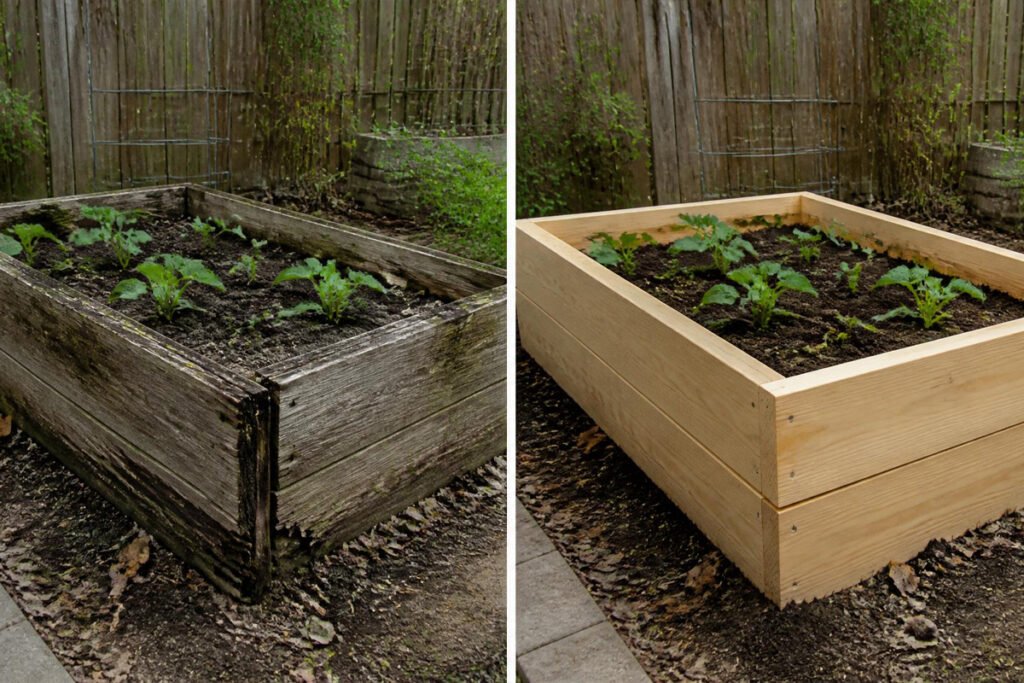
A raised bed’s material affects far more than appearance — it determines soil temperature, moisture retention, structural lifespan, and even how safe the growing environment is for edible crops. Untreated softwoods break down within a few seasons in constant contact with moist soil, while cedar’s natural oils resist that same rot for years longer without any chemical treatment.
Material also affects soil temperature in ways that matter for planting timing. Metal beds warm faster in spring, which can be a real advantage for early planting in cool climates, but the same trait can overheat root zones during a hot summer in warmer regions. Choosing the right material for your specific climate and goals, rather than the most popular option online, is what determines whether a bed performs well for one season or reliably for a decade, much like soil testing determines whether a fertilizer choice actually helps or does nothing.
How to Choose the Right Material for Your Garden {#how-to-choose}
Before buying, consider three factors:
What’s your climate like? Metal beds heat up faster, which helps in cooler regions but can stress roots in consistently hot summers, while wood and composite stay more temperature-neutral.
How long do you want the bed to last? Composite and metal beds are built for a decade or more with minimal maintenance, while basic softwood kits may need replacing within a handful of seasons.
Do you need permanence or portability? Concrete block beds are essentially permanent structures, while fabric grow bags can be moved, folded, or stored entirely between seasons.
Best Raised Bed Materials & Kits {#best-materials}
Cedar Wood Kits
Overview: Pre-cut cedar wood kits that assemble into a classic raised bed frame, valued for cedar’s natural resistance to rot and insects without needing chemical treatment.
Why It Works: Cedar contains natural oils and compounds that resist decay and deter insects far better than standard softwoods like pine, allowing an untreated cedar bed to last significantly longer in constant soil contact. Because it needs no chemical preservative to achieve this resistance, cedar is also one of the safer wood choices for growing edible crops directly against the material.
Key Features:
- Natural rot and insect resistance without chemical treatment
- Classic wood appearance blends well with most yard styles
- Pre-cut kits typically assemble without power tools
Best For: Gardeners wanting a natural material with a traditional look and moderate long-term durability.
Pros: ✅ Naturally rot-resistant without chemicals ✅ Classic, attractive appearance ✅ Simple kit assembly for beginners
Cons: ❌ More expensive than basic softwood ❌ Still breaks down eventually, typically within 10 to 15 years
Our Verdict: Worth buying for anyone who wants a natural-material bed without dealing with chemically treated lumber — a strong middle-ground choice between the shorter lifespan of basic wood and the higher cost of metal or composite, and a good match for a first-time beginner’s garden.
Galvanized Metal Beds
Overview: Corrugated steel panels coated in a protective zinc layer, assembled into a raised bed frame that resists rust and rot far longer than any wood option.
Why It Works: The galvanized zinc coating creates a barrier that prevents the steel underneath from rusting through, even in constant contact with moist soil, giving these beds a functional lifespan measured in decades rather than years. Because metal doesn’t decompose the way wood does, there’s no ongoing breakdown to worry about, though the same conductivity that resists rot also means metal beds heat up and cool down faster than wood or composite.
Key Features:
- Zinc coating prevents rust for decades of outdoor use
- No decomposition or rot risk, unlike wood-based options
- Often available in modular kits for custom bed shapes and sizes
Best For: Gardeners in cooler climates who want maximum durability and don’t mind faster soil warming in spring.
Pros: ✅ Extremely long lifespan ✅ Zero rot risk ✅ Speeds up soil warming for early spring planting
Cons: ❌ Can overheat root zones in very hot climates ❌ Higher upfront cost than basic wood kits
Our Verdict: Worth buying specifically for its exceptional durability — in cooler climates, the faster soil warming is a genuine planting advantage, though hot-climate gardeners should pair metal beds with extra mulch to buffer against overheating.
Composite or Recycled Plastic Beds
Overview: Raised bed panels made from recycled plastic or wood-plastic composite material, engineered specifically to resist rot, insects, and warping without any wood content to break down.
Why It Works: Because composite material contains no organic wood fiber to decompose, it sidesteps the rot problem that eventually affects even naturally resistant woods like cedar, while also avoiding the temperature swings of metal. This makes it one of the lowest-maintenance options available, requiring essentially no upkeep beyond basic cleaning over its lifespan.
Key Features:
- No organic material to rot or attract wood-boring insects
- Stable soil temperature compared to metal
- Often made partly from recycled materials
Best For: Gardeners wanting the lowest possible long-term maintenance, regardless of upfront cost.
Pros: ✅ Effectively rot-proof ✅ Stable soil temperature ✅ Minimal maintenance over its lifespan
Cons: ❌ Highest upfront cost of the common options ❌ Less traditional appearance than wood
Our Verdict: Worth the higher price for anyone who wants to set up a bed once and not think about material degradation again — the reduced long-term maintenance often justifies the initial cost difference within several seasons of not needing repairs or replacement.
Concrete Block Beds
Overview: Raised beds built from stacked concrete or cinder blocks, offering the most permanent, heaviest-duty structure of any common raised bed material.
Why It Works: Concrete doesn’t rot, rust, warp, or degrade under normal outdoor conditions, making it essentially a permanent structure once built. The mass of the blocks also provides excellent structural stability against soil pressure and weather, which matters most for taller beds or ones holding a large volume of soil that would stress lighter wood or metal frames over time.
Key Features:
- Effectively permanent, with no material degradation over time
- Excellent structural stability for taller or larger beds
- Blocks can double as informal garden seating around bed edges
Best For: Gardeners planning a permanent bed location who won’t need to move or reconfigure it later.
Pros: ✅ Essentially permanent ✅ Excellent stability for large or tall beds ✅ Doubles as seating around the perimeter
Cons: ❌ Not portable once built ❌ Requires more labor and planning to install correctly
Our Verdict: Worth choosing specifically when permanence is the goal — this isn’t the right material for anyone who might want to reconfigure their garden layout later, but it’s the most durable option available for a bed that’s staying put indefinitely.
Fabric Grow Bags
Overview: Breathable fabric containers that function as a flexible, non-permanent alternative to a rigid raised bed, foldable and storable when not in use.
Why It Works: The breathable fabric allows excess water to drain freely while also promoting healthy root development through a process called air pruning, where roots that reach the fabric’s edge are naturally stopped from circling, unlike in solid-walled containers. This makes fabric grow bags genuinely effective for root health, not just a budget compromise, while also solving the portability problem no rigid material addresses.
Key Features:
- Breathable fabric promotes healthy air-pruned root development
- Fully portable and foldable for storage or relocation
- Available in a wide range of sizes for different crop needs
Best For: Renters, gardeners who need portability, or anyone wanting to try container-style raised bed growing without committing to a permanent structure.
Pros: ✅ Very affordable ✅ Fully portable and storable ✅ Genuinely promotes healthy root development, not just a budget option
Cons: ❌ Dries out faster than rigid beds, needing more frequent watering ❌ Less durable over many seasons than solid materials
Our Verdict: Worth buying specifically for flexibility — it’s the only option here that lets you fully relocate or store your growing space, making it ideal for renters or anyone still deciding on a permanent garden layout.
Comparison Table {#comparison-table}
| Material | Best For | Lifespan | Cost | Maintenance |
|---|---|---|---|---|
| Cedar Wood | Natural look, moderate durability | 10–15 years | Medium | Low–Moderate |
| Galvanized Metal | Cool climates, max durability | 20+ years | Medium–High | Very Low |
| Composite/Recycled Plastic | Lowest long-term maintenance | 20+ years | High | Very Low |
| Concrete Block | Permanent, large or tall beds | Indefinite | Medium–High | Very Low |
| Fabric Grow Bags | Portability, renters | 2–5 years | Low | Moderate (watering) |
Raised Bed Materials for Different Climates {#different-climates}
Hot, Sun-Intense Climates
Metal beds can overheat root zones in consistently hot summers, so composite, wood, or well-mulched metal beds tend to perform better for keeping soil temperature stable through peak heat.
Cool or Short-Season Climates
Galvanized metal beds’ faster spring warming is a genuine advantage in cooler climates, helping gardeners get transplants into warm soil earlier in a shorter growing season, alongside good soil testing to confirm readiness.
Rental or Temporary Garden Setups
Fabric grow bags solve the specific problem that no permanent material addresses — the ability to fully pack up and relocate a growing space, making them the clear choice for renters or anyone gardening in a temporary location.
How to Set Up a New Raised Bed {#how-to-set-up}
Step 1: Choose a Location with Good Sun Exposure
Most vegetables need six or more hours of direct sun, so confirm the bed’s location gets adequate light before committing to a permanent material like concrete.
Step 2: Level the Ground Before Assembly
Uneven ground causes wood and metal frames to warp or gap over time, so leveling the base first extends the life of whichever material you choose.
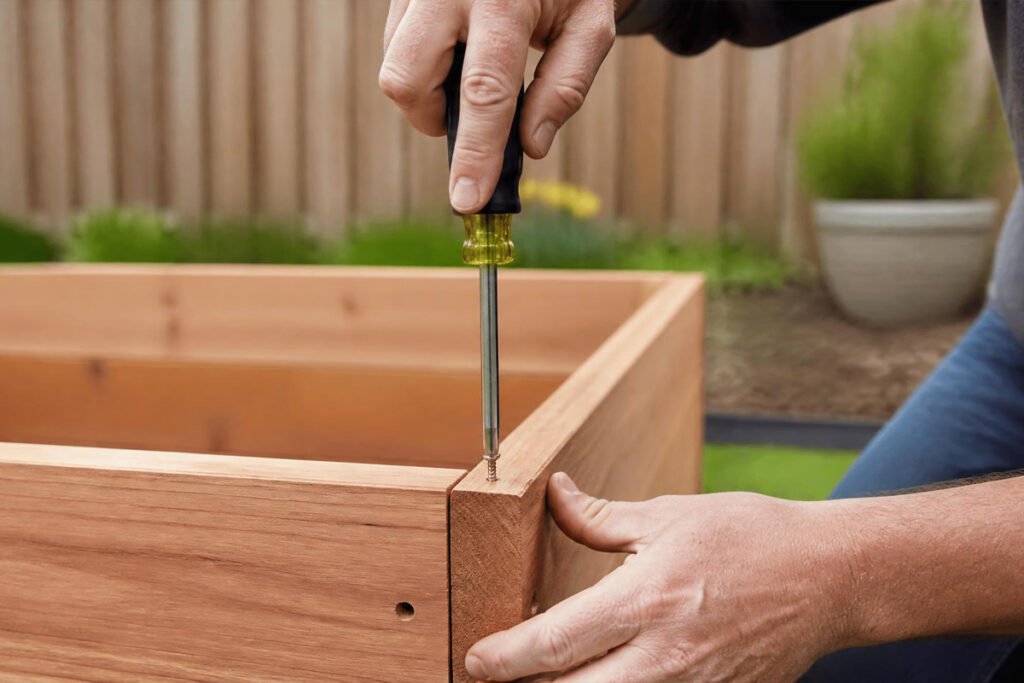
Step 3: Assemble or Install the Frame
Follow kit instructions closely for wood and metal kits, or lay the first course carefully for concrete block beds, since a misaligned first layer compounds through the rest of the build.
Step 4: Fill with a Quality Soil Blend
Use a well-balanced soil mix rather than plain garden soil, following the guidance in a soil preparation guide for the best starting foundation.
Step 5: Plan Your First Planting Around Your Chosen Material
Factor in how your material affects soil temperature — planting slightly earlier in metal beds or slightly later in shaded composite beds — when mapping out your seasonal planting calendar.
Common Raised Bed Material Mistakes {#common-mistakes}
Choosing based on price alone without considering climate. A cheap metal bed in a hot climate without mulch can overheat roots significantly, undermining the savings with poor plant performance. Match material to your actual growing conditions, not just your budget.
Using treated lumber not rated for vegetable garden contact. Some chemically treated woods aren’t recommended for edible growing beds. Stick with naturally rot-resistant options like cedar, or confirm any treated lumber is specifically rated safe for food gardens.
Underestimating soil volume needs for the material chosen. Taller materials like concrete block beds hold significantly more soil than shallow kits, and underfilling leads to shallow, poor root development regardless of how good the material itself is or how well you follow good weed control practices elsewhere.
Expert Tips {#expert-tips}
Mulch metal beds more heavily in hot climates. A thicker layer of mulch on top of soil in metal beds helps offset the faster heat transfer through the material during peak summer, and pairs well with a consistent watering routine to keep roots cool.
Line wood beds with landscape fabric for extra longevity. A simple fabric liner between soil and wood reduces direct moisture contact with the wood itself, extending the lifespan of cedar or other wood kits.
Rotate crop families the same way regardless of bed material. Material choice doesn’t change the underlying need for a solid crop rotation plan — soil-borne disease and nutrient depletion build up the same way in any raised bed material over time.
Final Thoughts {#final-thoughts}
Best overall: cedar wood kits, for a strong balance of natural durability, appearance, and moderate cost. Best for maximum lifespan: galvanized metal or composite, for gardeners who want to set up once and not think about replacement for decades. Best for renters or flexibility: fabric grow bags, the only option here built for genuine portability.
There’s no single best raised bed material for every garden — the right choice depends on your climate, budget, and how permanent you want the setup to be. Whichever material you choose, pairing it with solid soil preparation, the right organic fertilizer, and a consistent crop rotation plan matters just as much as the frame itself for a bed that performs well season after season.
Frequently Asked Questions {#faq}
Which raised bed material lasts the longest? Composite/recycled plastic and galvanized metal both typically last 20 years or more with minimal maintenance, outlasting wood options by a significant margin.
Is cedar really necessary, or can I use cheaper pine? Cedar’s natural rot resistance means it lasts considerably longer than untreated pine in constant soil contact, which often justifies the price difference over the bed’s working lifespan.
Do metal raised beds get too hot for plant roots? In very hot climates, metal beds can transfer more heat into the soil than wood or composite, though adding a thicker mulch layer significantly reduces this effect.
Are fabric grow bags as productive as rigid raised beds? Yes, fabric grow bags can produce comparable yields, though they typically need more frequent watering since the breathable fabric allows faster moisture loss than solid-walled beds.
Can I build a raised bed with treated lumber safely? Some treated lumbers are specifically rated as safe for edible gardens, but not all are — check for food-safe certification, or use naturally rot-resistant wood like cedar to avoid the question entirely.
How much does raised bed material affect soil temperature? Metal warms and cools fastest, wood and composite stay more temperature-stable, and this difference can meaningfully affect early spring planting timing depending on your climate and seasonal planting calendar.
Is concrete block the best choice for a first raised bed? Concrete is best reserved for gardeners certain about a permanent bed location, since it’s the least flexible option if you later want to resize, move, or reconfigure your garden layout.
How deep should a raised bed be regardless of material? Most vegetables do well with at least 12 inches of soil depth, though root crops and larger plants benefit from 18 inches or more if the chosen material and budget allow it.
Do composite raised beds really need zero maintenance? They require significantly less maintenance than wood, but periodic cleaning and checking for structural fastener wear is still worthwhile even with a rot-proof material.
Can I mix materials, like a wood frame with a metal liner? Yes, some gardeners combine materials specifically to get wood’s appearance with metal or fabric’s moisture and rot benefits, though this adds complexity and cost compared to a single-material bed.
What’s the most budget-friendly raised bed option? Fabric grow bags are typically the least expensive option upfront, though they have a shorter lifespan than rigid materials and may need replacing sooner.
Does raised bed material affect crop rotation planning? Not directly — crop rotation planning depends on plant family history within a bed, which applies the same way regardless of whether the bed itself is wood, metal, composite, concrete, or fabric.
Author: Pamela Reese
Pingback: 6 Best Garden Spades & Shovels for Digging, Edging & Roots: Proven Top Picks & Buying Guide | Pro Gardening Tips – Expert Advice for a Thriving Garden
Pingback: 7 Best Grow Bags for Vegetable Gardening: Proven Top Picks & Buying Guide | Pro Gardening Tips – Expert Advice for a Thriving Garden
Pingback: 5 Best Soil Moisture Meters for Healthier Plants: Proven Top Picks & Buying Guide | Pro Gardening Tips – Expert Advice for a Thriving Garden