A vegetable garden full of tomatoes, squash, and cucumbers can still underperform if there aren’t enough pollinators actually visiting the flowers. Many of the most productive vegetable crops depend entirely on bees and other pollinating insects to move pollen between blossoms, and a garden that’s technically “flowering” but rarely visited by pollinators often ends up with poor fruit set no matter how well the plants are otherwise cared for.
Planting specific flowers alongside vegetables isn’t just a nice-looking border — it’s a functional decision that directly increases how many pollinators visit the entire garden, vegetables included, much like the deliberate spacing choices behind good crop rotation planning. Different flowers work through slightly different mechanisms: some bloom continuously to keep pollinators returning all season, some have shapes specifically suited to certain pollinator types, and some also double as habitat or food for the beneficial predatory insects that help with pest control.
This guide breaks down five pollinator-friendly plants worth growing, exactly why each one attracts pollinators effectively, and how it supports the vegetables growing around it — pairing naturally with the spacing principles already covered in a companion planting guide.
Quick Answer
The best pollinator-friendly plants for a vegetable garden work through different but complementary mechanisms. Borage produces nectar-rich blue flowers nearly continuously and is a favorite of bees throughout the growing season. Zinnias offer long-lasting blooms in a shape that’s easy for a wide range of pollinators to access. Sweet alyssum blooms in low, spreading mats that attract small beneficial insects, including many that also prey on garden pests. Lavender provides a long bloom period and is especially attractive to bees, while also tolerating drier conditions well. Sunflowers offer large, pollen-rich blooms that support both pollinators and some seed-eating beneficial birds later in the season. Most gardens benefit from planting two or three of these together to attract a wider range of pollinator types across the whole season.
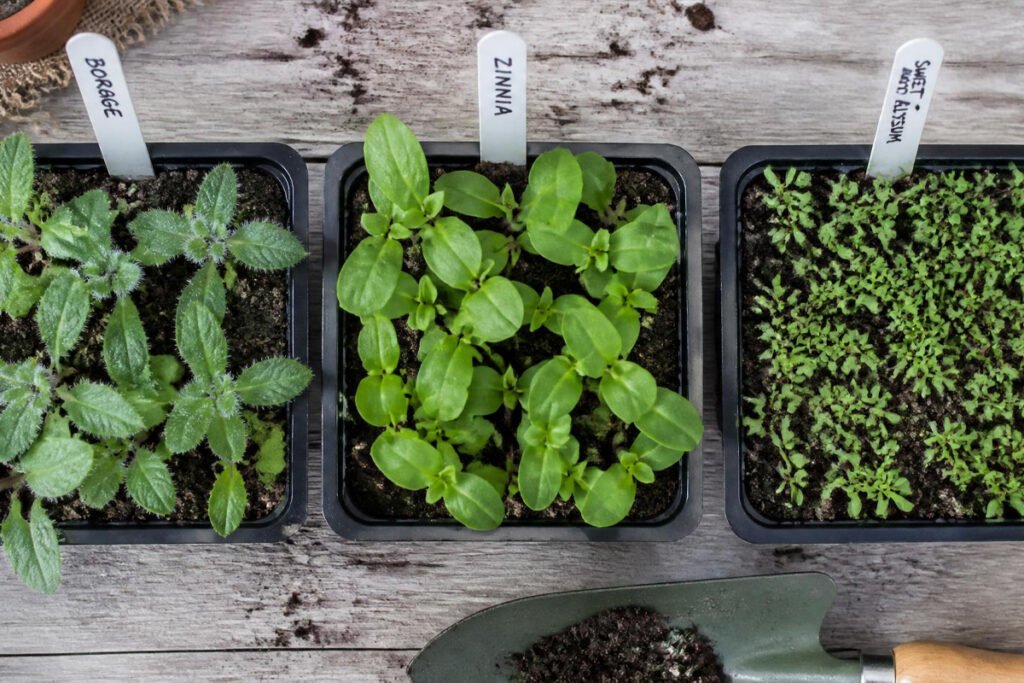
Table of Contents
- Why Pollinator Plants Directly Affect Vegetable Yield
- How to Choose the Right Pollinator Plants for Your Garden
- Best Pollinator-Friendly Plants
- Comparison Table
- Pollinator Plants for Different Garden Setups
- How to Plant and Place Pollinator Plants Correctly
- Common Pollinator Planting Mistakes
- Expert Tips
- Final Thoughts
- Frequently Asked Questions
Why Pollinator Plants Directly Affect Vegetable Yield {#why-pollinators-matter}
Many popular vegetable crops, including squash, cucumbers, and melons, rely almost entirely on insect pollinators to move pollen between male and female flowers, since these plants can’t reliably self-pollinate through wind alone the way some other crops can. A garden without enough pollinator activity often shows the same frustrating symptom: plenty of flowers, but poor fruit set, because pollen simply isn’t making it from flower to flower in sufficient quantity.
Dedicated pollinator plants solve this by giving bees, butterflies, and other pollinating insects a reliable, attractive food source that keeps them visiting the garden regularly rather than passing through without stopping. Many of these same flowers also support beneficial predatory insects that help with natural pest control, meaning a well-chosen pollinator planting does double duty for both fruit set and pest management at once.
How to Choose the Right Pollinator Plants for Your Garden {#how-to-choose}
Before planting, think through three questions:
What’s blooming, and when? Choosing plants with staggered bloom times ensures pollinators have a consistent food source across spring, summer, and fall rather than one short burst.
How much space can you dedicate to flowers? Compact options like sweet alyssum fit easily along bed borders, while larger plants like sunflowers need more dedicated space.
Do you want pollinator support, pest control support, or both? Some plants, like sweet alyssum, are especially effective at attracting the small beneficial insects that also prey on common garden pests, not just pollinators.
Best Pollinator-Friendly Plants {#best-plants}
Borage
Overview: A fast-growing annual herb with distinctive blue, star-shaped flowers that bloom almost continuously throughout the growing season, making it one of the most reliable bee-attracting plants available.
Why It Works: Borage flowers replenish their nectar supply unusually quickly compared to many other plants, which means bees can return to the same blossoms repeatedly throughout the day rather than needing to search elsewhere once nectar runs low. This constant nectar availability, combined with a long bloom period from early summer through fall, makes borage one of the most consistently visited plants in a pollinator planting.
Key Features:
- Nectar replenishes quickly, encouraging repeat pollinator visits
- Blooms continuously from early summer through fall
- Self-seeds readily, often returning without replanting the following year
Best For: Attracting bees consistently throughout the entire growing season with minimal ongoing maintenance.
Pros: ✅ Extremely attractive to bees ✅ Long bloom period ✅ Self-seeds for return growth in future seasons
Cons: ❌ Can spread aggressively if self-seeding isn’t managed ❌ Fuzzy stems and leaves can be mildly irritating to bare skin
Our Verdict: Worth planting for its sheer reliability at drawing in bees all season long — tuck it near fruiting crops like cucumbers and squash that depend heavily on consistent pollinator visits for good fruit set.
Zinnias
Overview: A colorful, easy-to-grow annual flower with a flat, open bloom shape that makes nectar and pollen easily accessible to a wide range of pollinator species.
Why It Works: The flat, daisy-like structure of a zinnia bloom gives pollinators a stable landing platform with easy access to nectar and pollen, unlike deeper or more complex flower shapes that only certain specialized pollinators can access. This accessibility, combined with a long bloom period from summer through the first frost, makes zinnias attractive to a broad range of bees, butterflies, and other beneficial insects rather than just one specific type.
Key Features:
- Flat, open bloom shape accessible to a wide range of pollinator types
- Long bloom period from summer through first frost
- Wide color range makes it easy to fit into any garden aesthetic
Best For: Attracting a broad mix of pollinator species, including butterflies, throughout the summer and into fall.
Pros: ✅ Accessible to a wide range of pollinators ✅ Long bloom period ✅ Easy to grow from seed with minimal care
Cons: ❌ Susceptible to powdery mildew in humid climates ❌ Benefits from deadheading to keep blooms coming continuously
Our Verdict: Worth planting as a border or mixed-in accent throughout vegetable beds — its broad pollinator appeal makes it a strong general-purpose choice alongside more specialized plants like borage.
Sweet Alyssum
Overview: A low-growing, spreading annual with small, fragrant white or purple flowers, prized specifically for attracting tiny beneficial insects in addition to standard pollinators.
Why It Works: Sweet alyssum’s small, clustered flowers are particularly well-suited to tiny beneficial insects like hoverflies and parasitic wasps, many of which also prey on common garden pests like aphids during other stages of their life cycle. This dual function — supporting both pollination and natural pest control — makes it one of the most functionally efficient plants on this list relative to the small amount of space it requires.
Key Features:
- Low, spreading growth habit fits easily along bed borders and pathways
- Attracts small beneficial insects that also help control common pests
- Continuous blooming provides a steady food source with minimal care
Best For: Bed borders and pathway edges where a low-growing plant supports both pollinators and pest-controlling beneficial insects.
Pros: ✅ Dual pollinator and pest-control benefit ✅ Low-growing, doesn’t compete for vegetable bed space ✅ Long continuous bloom with minimal maintenance
Cons: ❌ Can look sparse if not planted in a reasonably dense border ❌ Prefers cooler temperatures and may slow blooming in peak summer heat
Our Verdict: Worth planting specifically for its pest-control connection — placing it along bed borders near aphid-prone crops gives beneficial insects a nearby food source that keeps them active in the garden.
Lavender
Overview: A fragrant, woody perennial herb with long spikes of purple flowers, valued for its long bloom period and strong appeal to bees in particular.
Why It Works: Lavender’s dense flower spikes provide a concentrated nectar source that bees find highly attractive, and because it’s a perennial, it returns and expands year after year without needing to be replanted like the annual options on this list. Its drought tolerance also means it thrives in garden areas too dry for many other pollinator plants, making it useful for filling in border areas that might otherwise go unplanted.
Key Features:
- Long bloom period, often stretching across much of the summer
- Perennial growth means no replanting needed once established
- Drought-tolerant, suited to drier border areas
Best For: A long-term, low-maintenance pollinator planting in drier, well-draining garden areas.
Pros: ✅ Strong bee attraction ✅ Perennial, returns without replanting ✅ Thrives in dry conditions unsuitable for many other plants
Cons: ❌ Slower to establish than fast-growing annuals ❌ Needs well-draining soil and can struggle in consistently wet garden areas
Our Verdict: Worth planting as a long-term investment along drier bed borders — its perennial nature means the effort of establishing it pays off for years rather than needing annual replanting.
Sunflowers
Overview: A tall, large-flowered annual that provides an especially large, pollen-rich bloom, attractive to pollinators during its flowering stage and to beneficial seed-eating birds afterward.
Why It Works: A single sunflower bloom offers significantly more pollen surface area than most smaller flowers, giving bees an efficient, high-reward stop during their foraging. Beyond the pollinator benefit during flowering, mature sunflower seed heads also attract beneficial birds later in the season, some of which help control pest insect populations, extending the plant’s usefulness well past its bloom period.
Key Features:
- Large bloom size provides significant pollen reward per flower
- Tall growth habit can double as a windbreak or trellis support for climbing crops
- Seed heads attract beneficial birds after flowering finishes
Best For: Large, sunny areas where a tall plant can also provide structural benefits like windbreak or trellis support.
Pros: ✅ High pollen reward per bloom ✅ Doubles as windbreak or support structure ✅ Extended usefulness into seed-head stage for birds
Cons: ❌ Requires significant vertical space ❌ Can shade nearby shorter crops if not positioned carefully
Our Verdict: Worth planting along the north side of a garden bed where its height won’t shade shorter crops — its dual role as both a pollinator magnet and a structural plant makes it more functionally efficient than its size might suggest.
Comparison Table {#comparison-table}
| Plant | Best For | Bloom Duration | Growth Habit | Bonus Benefit |
|---|---|---|---|---|
| Borage | Continuous bee attraction | Early summer–fall | Upright annual | Self-seeds for return growth |
| Zinnias | Broad pollinator appeal | Summer–first frost | Upright annual | Wide color range |
| Sweet Alyssum | Pest-control beneficial insects | Continuous | Low, spreading annual | Dual pollinator/pest benefit |
| Lavender | Long-term bee attraction | Summer | Woody perennial | Drought-tolerant |
| Sunflowers | High pollen reward, structure | Mid–late summer | Tall annual | Windbreak/trellis support |
Pollinator Plants for Different Garden Setups {#different-setups}
Raised Bed Gardens
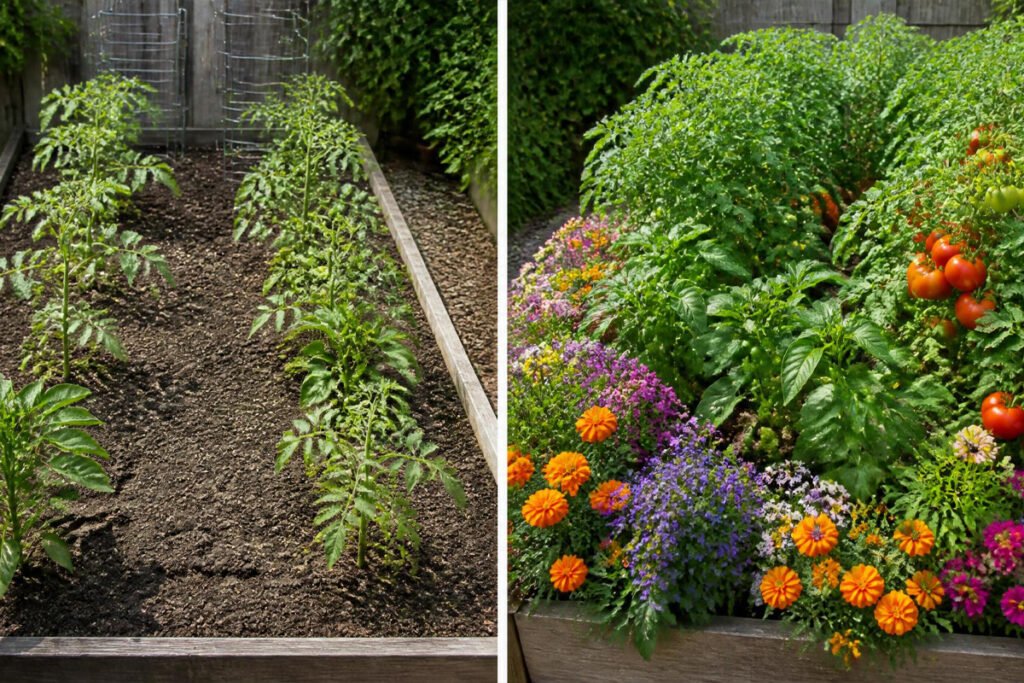
Sweet alyssum and borage both fit easily along the borders of raised beds without taking up significant growing space, making them practical additions even alongside trellised vining crops in a compact bed layout.
Single-Plot In-Ground Gardens
Larger in-ground plots have room for taller plants like sunflowers positioned along the north edge, alongside zinnias and lavender mixed throughout for broader pollinator coverage across a bigger space.
Container and Small-Space Gardens
Container gardens can incorporate a pot of sweet alyssum or a compact zinnia variety near vegetable containers, providing meaningful pollinator support even without dedicated ground space.
How to Plant and Place Pollinator Plants Correctly {#how-to-plant}
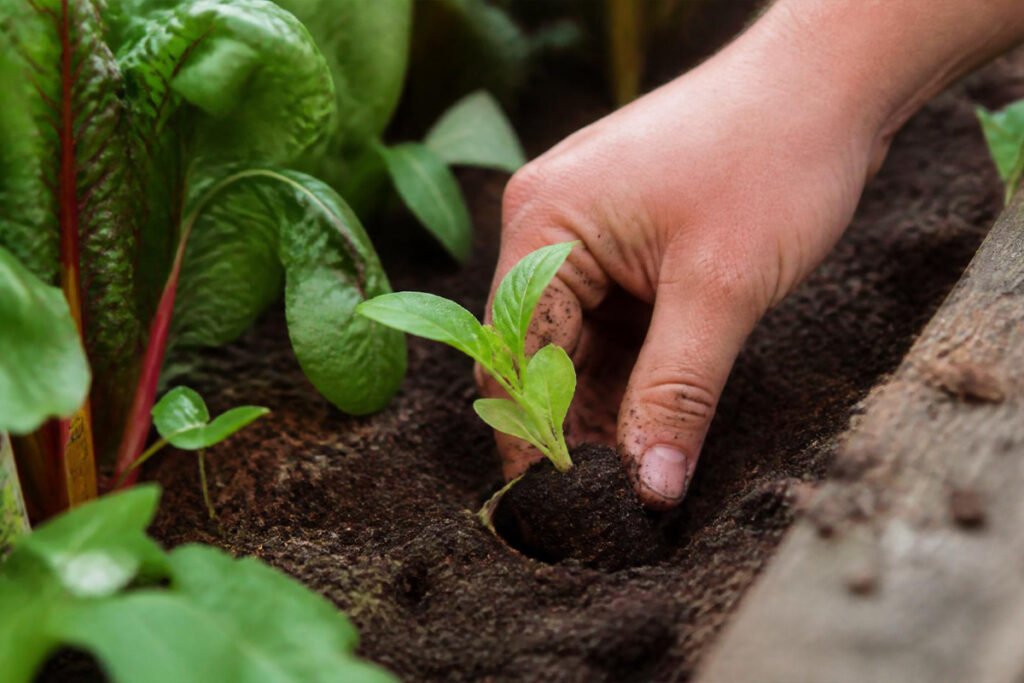
Step 1: Choose Plants with Staggered Bloom Times
Combine early, mid, and late-season bloomers so pollinators have a consistent food source throughout the entire growing season, not just one concentrated period.
Step 2: Position Taller Plants Where They Won’t Shade Crops
Place sunflowers and other tall plants along the north side of beds, following the same spacing logic covered in a companion planting guide.
Step 3: Interplant Rather Than Isolate
Mix pollinator plants throughout vegetable beds rather than confining them to a single separate flower bed, which keeps pollinators moving directly through the vegetables that need their visits.
Step 4: Deadhead Regularly for Continuous Blooms
Removing spent blooms on plants like zinnias encourages continuous flowering rather than the plant shifting energy toward seed production too early in the season.
Step 5: Let Some Plants Self-Seed for Next Season
Allow a portion of borage or other self-seeding plants to drop seed at season’s end, reducing how much replanting is needed the following year.
Common Pollinator Planting Mistakes {#common-mistakes}
Planting only one type of flower. A single bloom type only attracts the pollinators specifically suited to its shape and timing. Combining several different plants, as covered above, attracts a much broader range of pollinator and beneficial insect species, similar to how companion planting benefits from diversity rather than monoculture.
Using pest control products without considering pollinator activity. Spraying organic pest control products during peak pollinator visiting hours can undermine the very insects your flower plantings are trying to attract. Apply contact sprays in the early morning or evening instead.
Removing all spent blooms too aggressively. While deadheading encourages more flowering on many plants, removing every single spent bloom on self-seeding plants like borage prevents them from naturally reseeding for next season.
Expert Tips {#expert-tips}
Group pollinator plants near dependent crops. Squash, cucumbers, and melons benefit the most from nearby pollinator plants, since these crops rely most heavily on insect pollination for good fruit set.
Let sweet alyssum do double duty near pest-prone crops. Planting it near crops that commonly struggle with aphids gives beneficial predatory insects a nearby food source, supporting the same goals as a broader organic pest control approach.
Time pollinator plantings alongside your succession schedule. Staggering flower plantings the same way you would succession plant vegetables helps maintain pollinator activity across the entire season rather than one concentrated bloom period.
Final Thoughts {#final-thoughts}
Best overall: borage, for its reliable, continuous bee attraction throughout the season. Best for broad pollinator appeal: zinnias, thanks to their accessible bloom shape and long flowering period. Best dual-purpose pick: sweet alyssum, supporting both pollinators and natural pest control in a compact footprint.
Pollinator-friendly plants aren’t just a decorative addition to a vegetable garden — they directly affect how well fruiting crops actually set fruit. Combining two or three of these plants, staggered for continuous bloom and positioned near the crops that need pollinator visits most, is one of the simplest ways to improve yield without changing anything about how the vegetables themselves are grown.
Frequently Asked Questions {#faq}
Do I need pollinator plants if I already have bees in my area? Yes — even in areas with existing bee populations, dedicated pollinator plants make your garden a more attractive, reliable stop, increasing the frequency and consistency of visits to your vegetable flowers specifically.
Which vegetables benefit most from nearby pollinator plants? Squash, cucumbers, melons, and other crops with separate male and female flowers benefit the most, since they depend heavily on insect-transferred pollen for fruit to set at all.
Can I mix pollinator plants directly into vegetable beds, or do they need a separate area? Interplanting directly within or alongside vegetable beds is generally more effective than a separate flower bed, since it keeps pollinators moving through the vegetables that need their visits.
Is borage safe to plant near vegetables, or will it compete for nutrients? Borage is generally considered a beneficial companion plant rather than a competitive one, and its self-seeding habit means light management is worth doing to prevent it from spreading more than intended.
Do pollinator plants also help with pest control? Some do — sweet alyssum in particular attracts small beneficial insects that prey on common pests like aphids, providing a secondary benefit beyond pollination alone.
How do I keep pollinator plants blooming all season? Choosing plants with staggered natural bloom times, combined with regular deadheading on repeat-bloomers like zinnias, keeps flowers available throughout spring, summer, and fall.
Are perennial or annual pollinator plants better for a vegetable garden? Both have a place — perennials like lavender establish once and return for years, while annuals like zinnias and borage allow more flexibility to change plantings and layout each season.
Can pollinator plants attract pests instead of just pollinators? Generally no, well-chosen pollinator plants attract beneficial insects rather than pests, though as with any planting, monitoring for unexpected issues is still worthwhile.
Do I need to avoid spraying pest control products near pollinator plants? Yes, timing any organic pest control application for early morning or evening, when pollinator activity is lower, helps protect the beneficial insects these plants are meant to attract.
How much space do I need to dedicate to pollinator plants? Even a small border of sweet alyssum or a few zinnia plants tucked between vegetable rows can meaningfully increase pollinator visits, so significant dedicated space isn’t strictly necessary.
Will sunflowers shade out my vegetable crops? They can if planted on the south side of a bed, so positioning tall sunflowers along the north edge prevents them from blocking sunlight to shorter vegetable crops nearby.
Can I grow pollinator plants in containers alongside container vegetables? Yes, compact varieties of zinnias or a pot of sweet alyssum work well alongside container vegetable gardens, providing pollinator support even without dedicated ground space.
Author: Pamela Reese