Not every hole-in-the-ground job needs the same tool, and using the wrong one is exactly why digging can feel far harder than it should be. A rounded shovel that’s great for scooping loose soil struggles against a tangle of tree roots. A flat spade built for crisp edging bends if you try to pry out a rock with it. The right spade or shovel doesn’t just make a task easier — it can be the difference between finishing a job in minutes or fighting with it for an hour.
This guide compares the best garden spades and shovels for 2026, covering digging, edging, and root removal specifically. If you’re prepping beds before this step, our raised bed materials guide covers the structure side, and once you’re digging into established weeds and roots, our weed control guide rounds out the rest of the job.
Quick Picks
| If you need… | Best pick |
|---|---|
| Best overall, most versatile | Fiskars Steel D-Handle Square Garden Spade |
| Best for cutting through roots | Radius Garden Root Slayer 22011 |
| Best for clean, crisp edging | Fiskars 46″ Steel Flat Spade |
| Best value, lightweight | Nupla RP2L-E Ergo Power Round Point Shovel |
| Best for rocky or difficult topsoil | Spear Head Spade |
| Best leverage for prying & deep digging | Fiskars 60″ Pro Digging Shovel |
Spade vs. Shovel: Blade Shapes That Actually Matter
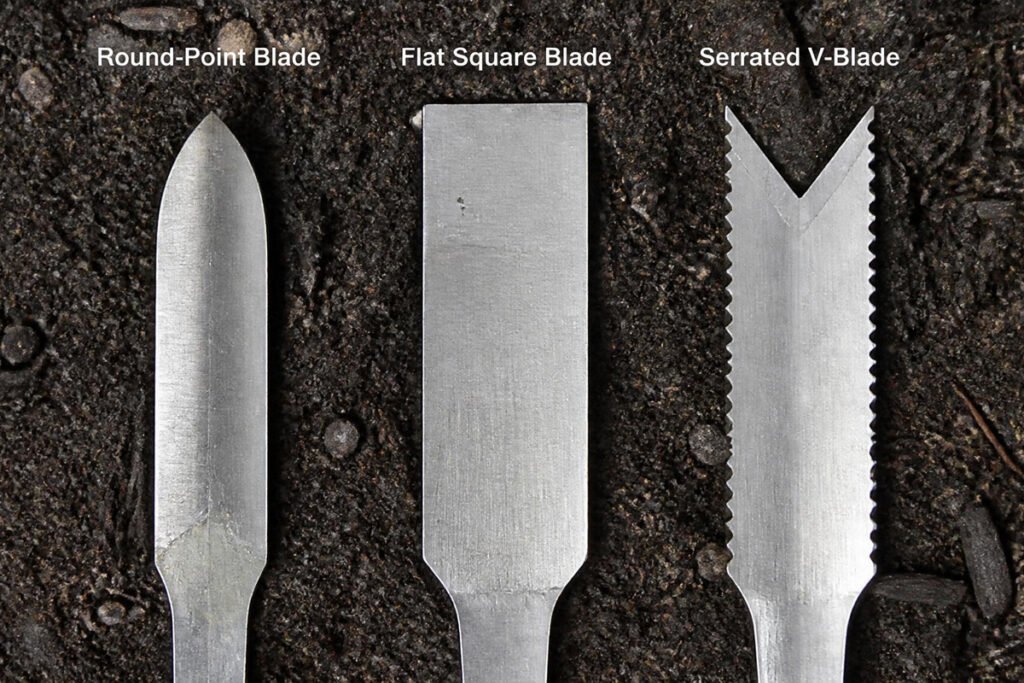
The terms get used loosely, but blade shape genuinely changes what a tool does best. Round-point shovels penetrate soil more easily than flat blades — the pointed tip concentrates force into a smaller area, making them the right choice for digging planting holes. Flat (square) spades are built for edging, cutting clean vertical lines, and slicing through sod or turf, where a sharp, straight edge matters more than penetration power. V-shaped, serrated blades are a newer category built specifically to cut through roots as you dig, using small teeth along the blade edges that saw through root material instead of just pushing past it.
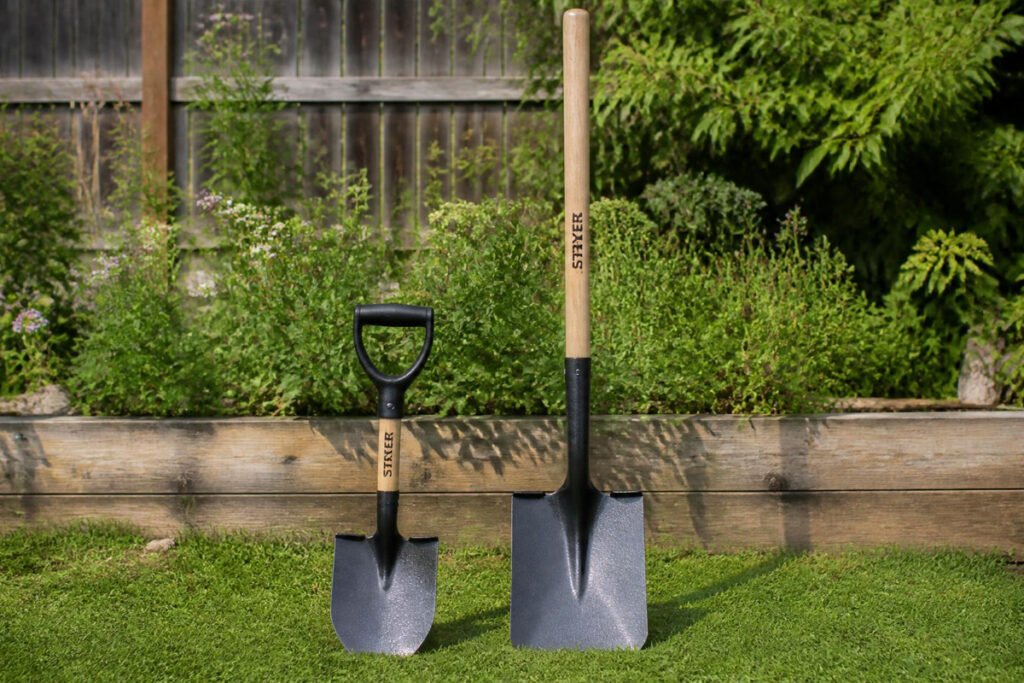
Handle length and material matter almost as much as blade shape. Long fiberglass or steel handles give more leverage for prying against rocks or roots, while shorter D-handle designs offer more control for precise digging in tight spaces.
How to Choose the Right Spade or Shovel
Before buying, consider:
- What’s your soil actually like? Sandy, loose soil is forgiving of almost any shovel. Compacted clay or root-filled ground benefits significantly from a serrated or reinforced blade built specifically for that resistance.
- What’s the primary task? Digging planting holes calls for a round point; edging beds and lawns calls for a flat spade; removing established shrubs or dealing with invasive roots calls for a dedicated root-cutting design.
- Handle material and length. Fiberglass handles are lightweight and won’t rot, but can feel slippery when wet. Steel handles add weight but tend to hold up better against serious prying force without flexing or snapping.
Best Garden Spades & Shovels Available
1. Fiskars Steel D-Handle Square Garden Spade
Overview: Consistently rated the best all-around spade shovel by independent testers, the Fiskars D-Handle Spade balances durability with genuinely low weight for a steel tool, thanks to a subtle ergonomic bend in the handle near the blade that makes digging from different angles noticeably easier than a straight-shafted design.
Key Features:
- Square blade suited to digging, edging, and general dirt moving
- Ergonomic handle bend reduces strain across different digging angles
- Lightweight despite durable steel construction
- Sharp blade edge handles most soil types cleanly
Best For: Gardeners who want one versatile spade that handles the majority of everyday digging and edging tasks well.
Pros: ✅ Genuinely versatile across multiple tasks ✅ Lighter than comparable steel spades ✅ Ergonomic handle design reduces fatigue Cons: ❌ Not specialized for heavy root-cutting like a serrated blade ❌ Mid-range price versus basic big-box spades
Our Verdict: If you only own one spade, this is the sensible choice — it handles digging, edging, and general bed prep without needing a specialized tool for every single task.
2. Radius Garden Root Slayer 22011
Overview: The Root Slayer earns its reputation through a genuinely different design: a V-shaped, serrated blade that saws through roots as you dig rather than just pushing past them, paired with an ergonomic O-handle that testers found reduces back strain noticeably compared to a standard straight handle.
Key Features:
- V-shaped serrated blade cuts through roots during digging
- O-handle design reduces back strain and improves leverage
- Heavy-duty carbon steel construction
- Resin-encased steel shaft resists bending under pressure
Best For: Removing established shrubs, invasive root systems, or digging in root-filled, compacted ground.
Pros: ✅ Genuinely effective at cutting through roots ✅ Ergonomic handle noticeably reduces strain ✅ Durable, bend-resistant shaft Cons: ❌ Heavier than standard spades ❌ More specialized than a general-purpose spade needs to be
Our Verdict: If you’ve ever fought a shovel to a standstill against a root ball, this solves that exact problem — the serrated edge is a genuine game-changer, not a gimmick.
3. Fiskars 46″ Steel Flat Spade
Overview: Built specifically for tasks where a clean, straight line matters more than digging depth, the flat square blade on this Fiskars model creates crisp lawn edges and bed borders that look intentional rather than ragged, backed by an extra-long handle for added leverage through tough turf.
Key Features:
- Flat, square blade optimized for edging and clean cuts
- Extra-long 46-inch handle for leverage
- Handles tougher soil and root-laced turf without excessive force
- Durable steel construction
Best For: Creating clean bed edges, cutting sod lines, and general edging work.
Pros: ✅ Creates genuinely crisp, professional-looking edges ✅ Long handle adds useful leverage ✅ Durable enough for tougher turf Cons: ❌ Not designed for digging deep holes ❌ Longer handle is less maneuverable in tight spaces
Our Verdict: Pairs well with maintaining the clean lines around raised beds or garden borders — a dedicated edging spade genuinely outperforms using a round-point shovel for this task.
4. Nupla RP2L-E Ergo Power Round Point Shovel
Overview: For gardeners who want solid performance without a premium price, the Nupla pairs a long, lightweight fiberglass handle with a round-point blade that makes everyday digging tasks noticeably less tiring across a long session in the garden.
Key Features:
- Round-point blade for efficient soil penetration
- Long fiberglass handle, notably lightweight
- Ergonomic grip design
- Affordable pricing relative to premium alternatives
Best For: Budget-conscious gardeners who want a reliable, easy-to-handle shovel for general digging.
Pros: ✅ Excellent value for the quality ✅ Lightweight fiberglass reduces fatigue ✅ Efficient soil penetration Cons: ❌ Fiberglass handles can feel slippery when wet ❌ Less rugged than heavy-duty steel-shaft alternatives for serious prying
Our Verdict: A smart budget pick if you’re digging planting holes and doing general garden work without regularly fighting rocky or root-heavy ground.
5. Spear Head Spade
Overview: Designed with an arrow-shaped head, the Spear Head Spade is specifically built to handle topsoil mixed with rocks and debris — a common frustration in older yards or newly developed lots where clean, rock-free soil simply isn’t the reality.
Key Features:
- Arrowhead blade design for penetrating rocky or debris-mixed soil
- Sturdy steel construction
- Comfortable grip for extended digging sessions
- Handles mixed topsoil conditions better than standard flat or round blades
Best For: Yards with rocky, debris-mixed, or otherwise difficult topsoil.
Pros: ✅ Genuinely effective in rocky, mixed soil ✅ Durable construction holds up to repeated impact ✅ Comfortable for extended use Cons: ❌ More specialized than a general digging spade ❌ Not the first choice for clean, edging-focused tasks
Our Verdict: If your yard’s soil is more rock and debris than clean earth, this spade is built specifically for that reality rather than fighting it with a standard blade shape.
6. Fiskars 60″ Pro Digging Shovel
Overview: The extra-long handle on this model exists for one reason: leverage. Whether you’re prying against a stubborn rock, digging a deeper hole than usual, or working in tough, compacted ground, the added length translates your effort into more force at the blade than a standard-length shovel can manage.
Key Features:
- Extra-long 60-inch handle for maximum leverage
- Heavy-duty steel blade and shaft
- Built for prying, deep digging, and tough ground conditions
- Durable construction rated for repeated heavy use
Best For: Deep digging, prying against rocks, and tough, compacted soil where extra leverage genuinely helps.
Pros: ✅ Excellent leverage for demanding digging tasks ✅ Durable, heavy-duty build ✅ Handles compacted or tough ground well Cons: ❌ Long handle is unwieldy in tight or crowded planting areas ❌ Heavier overall than shorter shovels
Our Verdict: Keep this on hand specifically for the tougher jobs — deep holes, stubborn rocks, compacted clay — where a standard-length shovel just doesn’t give you enough mechanical advantage.
Comparison Table
| Spade/Shovel | Best For | Blade Type | Handle | Notable Feature |
|---|---|---|---|---|
| Fiskars D-Handle Square Spade | Overall versatility | Square | Ergonomic bend | Lightweight steel |
| Radius Garden Root Slayer | Root cutting | V-shaped serrated | O-handle | Cuts roots while digging |
| Fiskars 46″ Flat Spade | Edging | Flat square | Long, straight | Crisp, clean lines |
| Nupla RP2L-E | Budget general digging | Round point | Long fiberglass | Lightweight, affordable |
| Spear Head Spade | Rocky/debris soil | Arrowhead | Standard | Handles mixed topsoil |
| Fiskars 60″ Pro Digging Shovel | Deep digging, prying | Round point | Extra-long (60″) | Maximum leverage |
Best Spades & Shovels for Different Tasks
Planting Holes and General Digging
A round-point shovel like the Nupla or Fiskars Pro Digging Shovel penetrates soil efficiently for transplants, shrubs, and general bed preparation.
Bed Edging and Lawn Borders
A flat spade like the Fiskars 46″ creates the clean, defined lines that separate lawn from garden bed, especially useful when maintaining the borders around trellises or raised beds.
Removing Established Roots or Shrubs
The Radius Garden Root Slayer’s serrated V-blade is purpose-built for this specific frustration — cutting through root mass instead of fighting past it with a standard blade.
Common Mistakes
- Using a round-point shovel for edging. The curved edge doesn’t create the crisp lines a flat spade does, leading to ragged, uneven bed borders no matter how careful you are.
- Forcing a standard blade through heavy roots. This is exactly what bends blades and snaps handles. A dedicated root-cutting design like the Root Slayer handles this specific job without the strain.
- Ignoring handle length for the task at hand. A short handle in a deep hole or against a stubborn rock gives you far less leverage than a longer one — matching handle length to the job’s demands prevents unnecessary strain.
Expert Tips
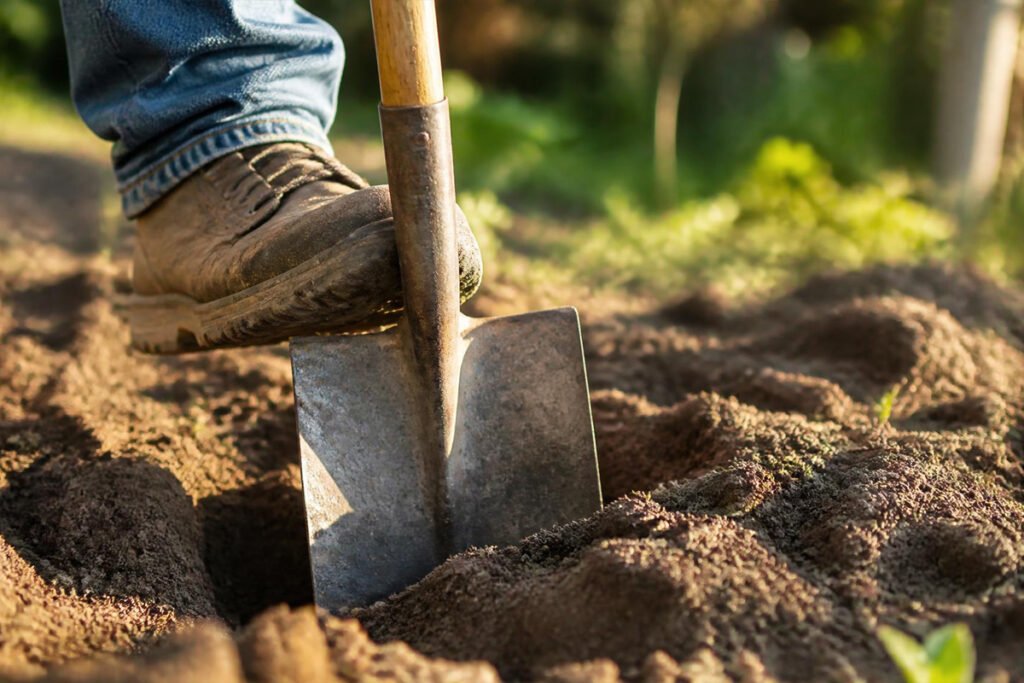
- Step onto the blade shoulder, not the center, when driving a spade into tough ground. This distributes your body weight more effectively and reduces the risk of the blade twisting or bending under uneven pressure.
- Keep the blade edge sharp. A dull spade or shovel requires significantly more force to penetrate soil, turning an easy task into a workout. A quick pass with a file before a big digging session makes a real difference.
- Clean and dry blades after use, especially after working in wet clay, to prevent rust buildup that can pit the blade surface over time and make future digging harder.
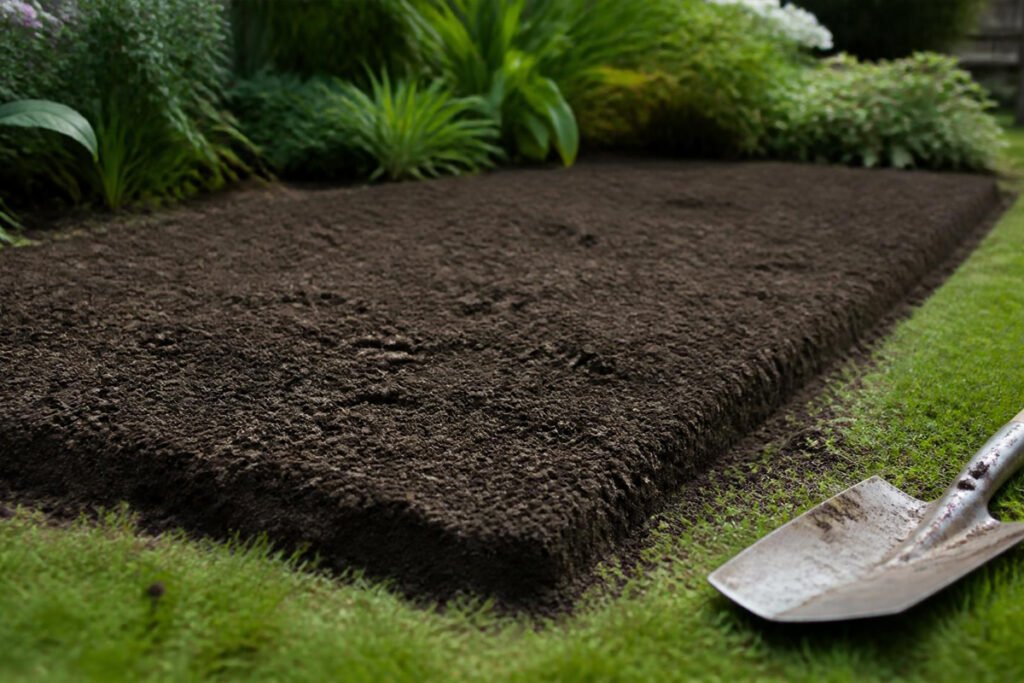
[IMAGE 5 — Final Result | Alt text: “freshly dug garden bed ready for planting”]
Final Thoughts
Best overall: The Fiskars Steel D-Handle Square Spade covers the widest range of everyday digging and edging needs in one tool. Best for roots: The Radius Garden Root Slayer solves the specific, frustrating problem of digging through established root systems. Best for edging: The Fiskars 46″ Flat Spade creates genuinely clean, professional-looking bed and lawn borders.
Whichever you choose, pair it with a good pair of gardening gloves for blister protection, and store it properly using tips from our garden storage guide to keep the blade rust-free between uses.
Frequently Asked Questions
What’s the difference between a spade and a shovel? Traditionally, a spade has a flat blade with a straight edge, built for edging and cutting straight lines, while a shovel has a curved, pointed blade built for scooping and digging. In practice, many modern tools blend the two, so checking the specific blade shape matters more than the name on the label.
Do I really need a specialized root-cutting shovel? If you regularly deal with established shrubs, tree roots, or invasive root systems, yes — a serrated V-blade design genuinely performs better than forcing a standard shovel through the same material, reducing both effort and the risk of bending the blade.
Round point or square point — which do I need? Round-point blades penetrate soil more easily and suit digging holes and general garden work. Square (flat) blades cut cleaner straight lines and suit edging, sod-cutting, and precise borders.
How do I keep a garden spade from rusting? Clean off soil after each use, dry the blade fully, and store it in a dry location like a shed or garage rather than leaving it outside. A light coat of oil on the blade before extended storage adds extra protection.
Are fiberglass or steel handles better? Fiberglass handles are lighter and won’t rot, but can feel slippery when wet. Steel handles are heavier but generally hold up better against serious prying force without flexing. The right choice depends on how much leverage-heavy work you’re doing.
What handle length should I choose? Standard-length handles (around 28–30 inches for D-handle designs) offer more control for precise digging. Longer handles (46–60 inches) provide more leverage for deep digging or prying against rocks and roots, at the cost of maneuverability in tight spaces.
Can I use the same spade for both digging and edging? A general-purpose spade like the Fiskars D-Handle can handle both reasonably well, but a dedicated flat spade will produce noticeably cleaner edging results if crisp lines matter to you.
How do I sharpen a garden spade or shovel? A metal file works well for touching up the blade edge — a few firm strokes at the existing bevel angle restores much of the cutting efficiency lost to dulling, making digging significantly easier.
Is a heavier or lighter shovel better? Lighter shovels reduce fatigue over long digging sessions but may flex more under heavy prying force. Heavier, reinforced shovels handle tough conditions like compacted clay or rocky soil better but tire out your arms faster over extended use.
What’s the best all-around shovel for a typical home garden? For most home gardeners without especially rocky or root-heavy soil, a versatile square spade like the Fiskars D-Handle covers digging, edging, and general bed work without needing multiple specialized tools.
Author: Pamela Reese Last Updated: August 2026