
It’s one of the most common frustrations in vegetable gardening: the bed gets watered on schedule, weeded regularly, mulched properly, and fed with fertilizer — yet plants still come up pale, stunted, or slow to fruit. More often than not, the missing piece isn’t a nutrient problem at all. It’s pH.
Soil pH controls how available nutrients actually are to plant roots, regardless of how much fertilizer or compost is in the ground. A garden bed can be packed with nitrogen, phosphorus, and potassium and still starve its plants if the pH is too far outside the range those nutrients need to dissolve and become root-accessible. This is why testing soil — rather than guessing — is one of the highest-leverage habits a vegetable gardener can build, and it’s a natural complement to the soil preparation most gardeners already do at planting time.
This guide covers how to test soil pH accurately, how to read the results, and how to adjust pH safely for the vegetables you’re actually growing — without over-correcting and creating a new problem in the process.
Quick Answer
Most vegetables grow best in soil with a pH between 6.0 and 7.0 — just on the acidic side of neutral. The fastest way to check where your soil stands is a simple at-home test kit or digital meter, which gives a same-day reading accurate enough for most planting decisions. For a fuller nutrient picture — not just pH, but phosphorus, potassium, and organic matter levels — a lab test through a local extension office is worth the wait once a year or every few years. If your soil tests too acidic, garden lime raises pH; if it’s too alkaline, elemental sulfur or organic matter lowers it. Either way, changes should happen gradually over a season, not all at once.
Table of Contents
- Why Soil pH Matters More Than Most Gardeners Realize
- How to Choose the Right Testing Method
- Best Soil Testing Methods for Home Gardens
- Testing Method Comparison Table
- Soil pH for Different Garden Setups
- How to Test and Adjust Soil pH Correctly
- Common Soil Testing Mistakes
- Expert Tips
- Final Thoughts
- Frequently Asked Questions
Why Soil pH Matters More Than Most Gardeners Realize {#why-ph-matters}
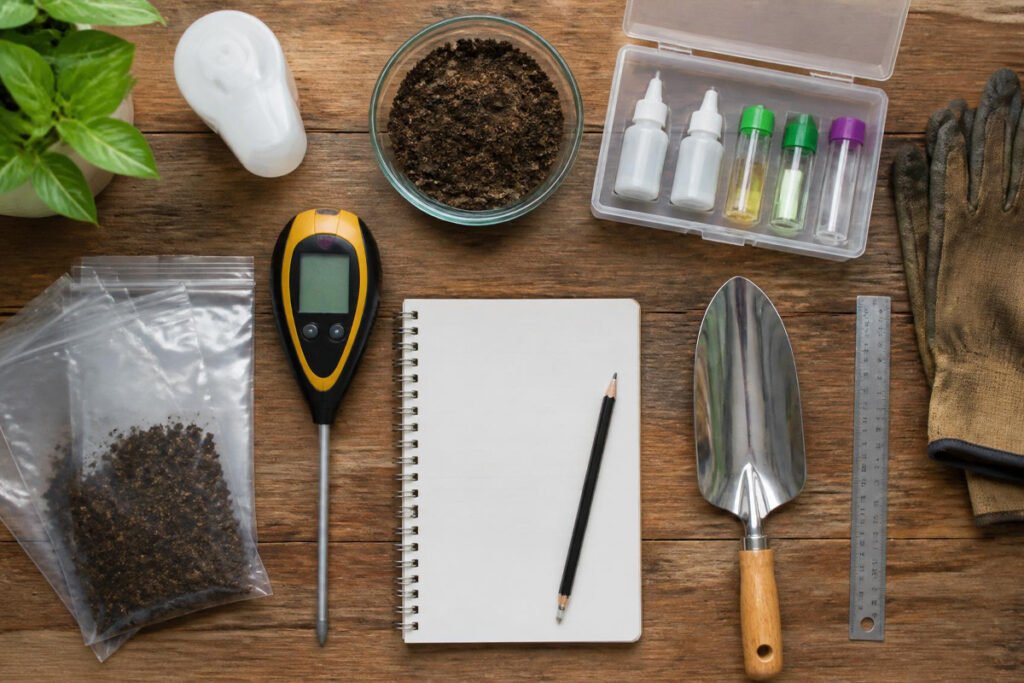
Soil pH measures how acidic or alkaline the soil is on a scale of 0 to 14, with 7 being neutral. Most vegetables have adapted to a fairly narrow window — roughly 6.0 to 7.0 — where key nutrients like nitrogen, phosphorus, and potassium dissolve into a form plant roots can actually absorb.
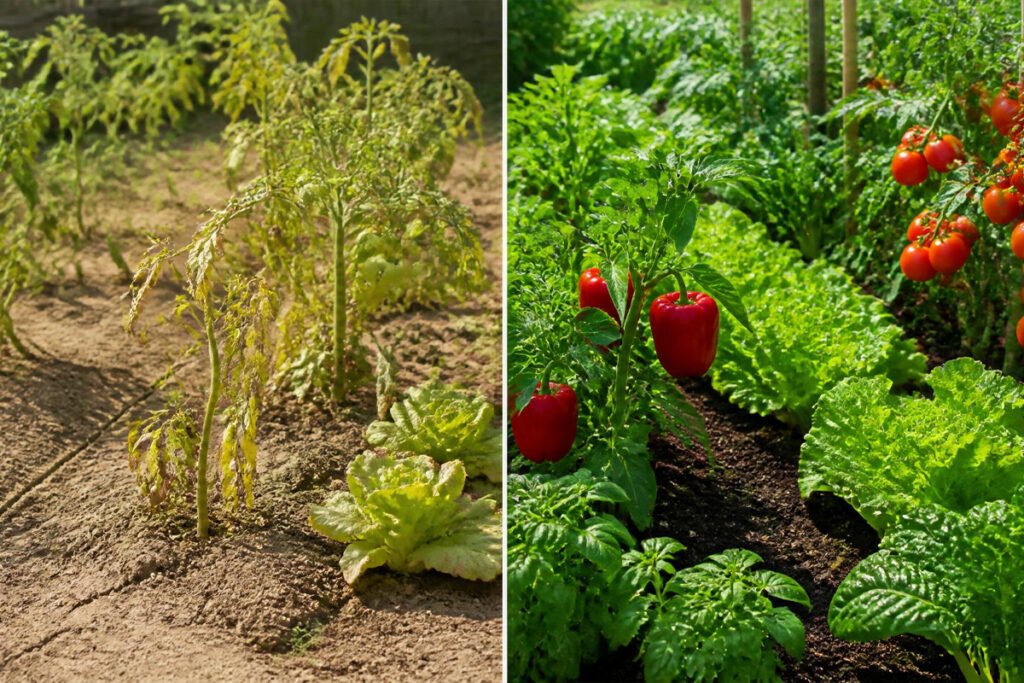
Outside that window, nutrients don’t disappear from the soil; they simply become chemically locked and unavailable, no matter how much organic fertilizer or compost gets added. This is why a garden that’s been fed consistently can still show signs of nutrient deficiency — yellowing leaves, stunted growth, poor fruit set — when the real issue is pH blocking uptake rather than a lack of nutrients in the ground.
Soil pH also affects how well plants can host beneficial soil microorganisms and how effectively crop rotation and composting build long-term soil health, since both processes depend partly on microbial activity that slows dramatically at extreme pH levels.
How to Choose the Right Testing Method {#how-to-choose}
Before buying a test kit or sending off a soil sample, think through three questions:
Do you need a quick check or a full nutrient picture? A basic pH meter or test strip gives you an immediate reading, sufficient for deciding whether lime or sulfur is needed before planting. A full lab test adds phosphorus, potassium, and organic matter data, useful once a year or when starting a brand-new garden bed.
How large is your growing area? A single set of raised beds can usually be tested with one or two samples, while a larger in-ground plot benefits from testing multiple spots separately, since pH can vary noticeably across a bigger area.
Are you troubleshooting a specific problem, or testing proactively? If plants are already showing stress, a fast at-home reading gets you an answer today. If you’re simply planning ahead for next season, a lab test timed a few weeks before planting gives more complete guidance.
Best Soil Testing Methods for Home Gardens {#best-methods}
Digital pH Meters
Overview: A reusable probe-style meter that gives an instant pH reading when inserted directly into moistened soil, popular for its speed and repeat use across a season.
Key Features:
- Instant results, no waiting or mailing samples
- Reusable across many testing sessions
- Accuracy depends on proper soil moisture and probe calibration
Best For: Gardeners who want to check pH regularly throughout the season without ongoing costs.
Pros: ✅ Immediate results ✅ Reusable, low cost per test over time ✅ No lab wait time
Cons: ❌ Less precise than lab testing ❌ Needs correct soil moisture to read accurately
Our Verdict: A solid everyday tool for spot-checking pH before planting or when troubleshooting a struggling bed, especially paired with the annual lab test below for a fuller picture.
At-Home Chemical Test Kits
Overview: Small kits using color-changing test strips or capsules to estimate soil pH and sometimes basic nutrient levels, widely available at garden centers.
Key Features:
- Simple color-match reading system
- Often includes basic nitrogen, phosphorus, and potassium indicators alongside pH
- Inexpensive and widely available
Best For: Beginners wanting an affordable first test without ordering online or mailing samples.
Pros: ✅ Very affordable ✅ Easy to find in stores ✅ No waiting for results
Cons: ❌ Color-matching can be subjective ❌ Less accurate than digital meters or lab tests
Our Verdict: A reasonable starting point for a first-time test, especially before committing to a new garden bed layout, though it’s worth confirming results with a more precise method if numbers seem off.
Lab Soil Testing Through Extension Offices
Overview: Sending a soil sample to a university extension or certified lab for full analysis, typically returning pH along with detailed nutrient and organic matter breakdowns.
Key Features:
- Most accurate and complete results available to home gardeners
- Usually includes specific amendment recommendations based on what you’re growing
- Turnaround typically takes one to two weeks
Best For: Annual or biennial testing, new garden beds, or persistent problems that at-home kits haven’t explained.
Pros: ✅ Most accurate results ✅ Full nutrient picture, not just pH ✅ Tailored amendment guidance
Cons: ❌ Takes longer than at-home methods ❌ Usually has a small fee ❌ Requires collecting and mailing a sample correctly
Our Verdict: Worth doing at least once when starting a new garden, and every two to three years afterward to catch slow nutrient or pH drift that day-to-day testing might miss.
DIY Vinegar and Baking Soda Test
Overview: A rough, no-cost method using kitchen vinegar and baking soda reactions to get a very general sense of whether soil leans acidic or alkaline.
Key Features:
- Uses only household items
- Gives a general direction, not a precise number
- Best used as a first rough check, not a final answer
Best For: A quick curiosity check before investing in a proper test kit.
Pros: ✅ Completely free ✅ Instant ✅ No tools to buy
Cons: ❌ Very imprecise ❌ Doesn’t give an actual pH number ❌ Unreliable for making amendment decisions
Our Verdict: Fine as a first rough gut-check, but plan to follow up with a real meter, kit, or lab test before adding lime or sulfur based on results alone.
Testing Method Comparison Table {#comparison-table}
| Method | Best For | Speed | Accuracy | Cost |
|---|---|---|---|---|
| Digital pH Meter | Regular spot-checks | Instant | Moderate–High | Low (one-time) |
| At-Home Chemical Kit | First-time testing | Instant | Moderate | Low |
| Lab Testing | Annual full analysis | 1–2 weeks | Highest | Low–Medium fee |
| Vinegar/Baking Soda | Rough first check | Instant | Low | Free |
Soil pH for Different Garden Setups {#different-setups}
Raised Bed Gardens
Because raised beds typically use purchased or blended soil, pH tends to start closer to neutral, but it’s still worth testing each bed individually, since different soil mixes and years of amendment can shift beds apart from one another over time.
Single-Plot In-Ground Gardens
Larger in-ground plots often show more pH variation across the space, especially near structures, trees, or areas with different drainage. Testing two or three separate spots gives a much more accurate picture than a single sample from one corner of the garden.
Container and Small-Space Gardens
Container gardens usually start with a fresh, pH-balanced potting mix, but pH can drift over a season as fertilizer and water interact with the confined soil volume, so a mid-season check is worth doing if plants show unexplained stress.
How to Test and Adjust Soil pH Correctly {#how-to-test}
Step 1: Collect Samples Correctly
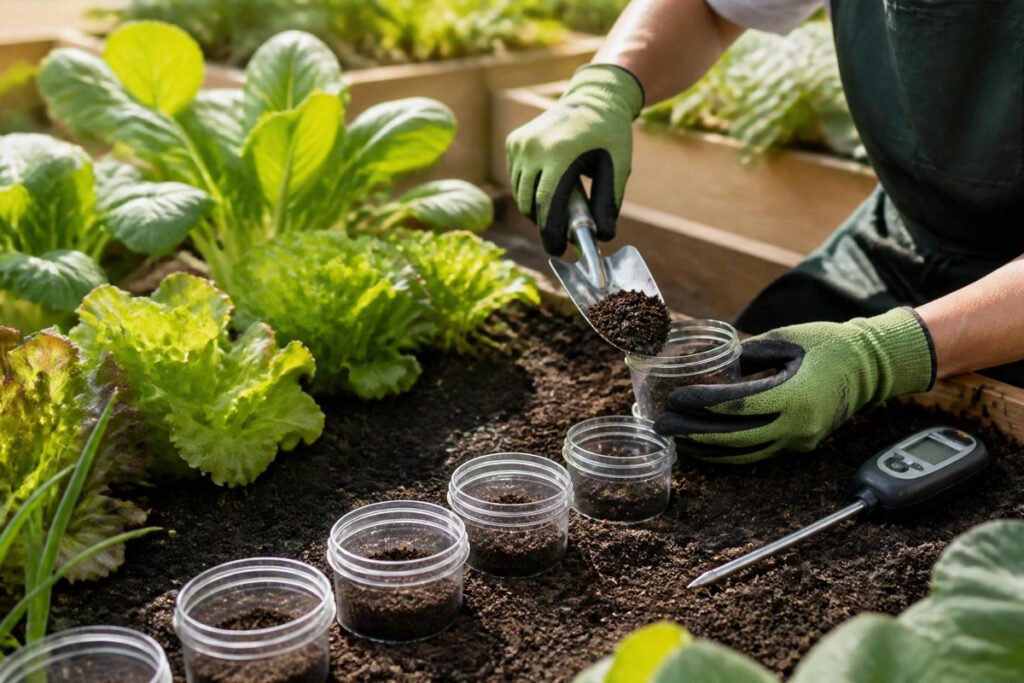
Take soil from four to six inches deep, from several spots across the bed, and mix them together for a representative sample rather than testing a single scoop from one location.
Step 2: Test at the Right Moisture Level
Most meters and kits need slightly moist, not soaking wet or bone-dry, soil for an accurate reading. Water lightly a few hours beforehand if the soil is very dry.
Step 3: Read and Record Your Results
Note the pH reading and date, and keep it alongside your garden map or rotation plan so you can track how pH shifts over multiple seasons.
Step 4: Choose the Right Amendment
If soil is too acidic (below 6.0), garden lime raises pH. If it’s too alkaline (above 7.0), elemental sulfur or additional organic matter like compost gradually lowers it.
Step 5: Retest Before Making Further Changes
Wait several weeks after applying an amendment before retesting, since pH shifts gradually rather than instantly, and over-correcting based on an early reading often swings the problem too far in the other direction.
Common Soil Testing Mistakes {#common-mistakes}
Testing only once and never again. Soil pH drifts over time, especially with repeated composting or fertilizer use, so a one-time test from years ago may no longer reflect current conditions.
Over-correcting after a single reading. Adding a large amount of lime or sulfur all at once based on one test can swing pH too far in the opposite direction. Make gradual adjustments and retest before adding more.
Testing dry, compacted soil straight after a dry spell. Soil moisture affects reading accuracy for many test types. Water lightly beforehand rather than testing soil that’s cracked and bone-dry.
Expert Tips {#expert-tips}
Test before every new bed, not just struggling ones. It’s far easier to correct pH before planting than to fix it mid-season once vegetables are already in the ground and showing stress.
Match amendments to what you’re already doing. If your crop rotation already includes a legume phase for nitrogen, factor that into how much additional fertilizer or lime a bed actually needs that year.
Keep a running pH log per bed. A simple year-by-year note of each bed’s pH reading, similar to a rotation map, makes it far easier to spot slow drift before it becomes a real problem.
Final Thoughts {#final-thoughts}
Best overall: a digital pH meter for regular spot-checks, backed by a lab test every two to three years for a full nutrient picture. Best for beginners: an at-home chemical test kit as a first, affordable step. Best for new beds: a full lab test before the first planting, so amendments are based on real data rather than guesswork.
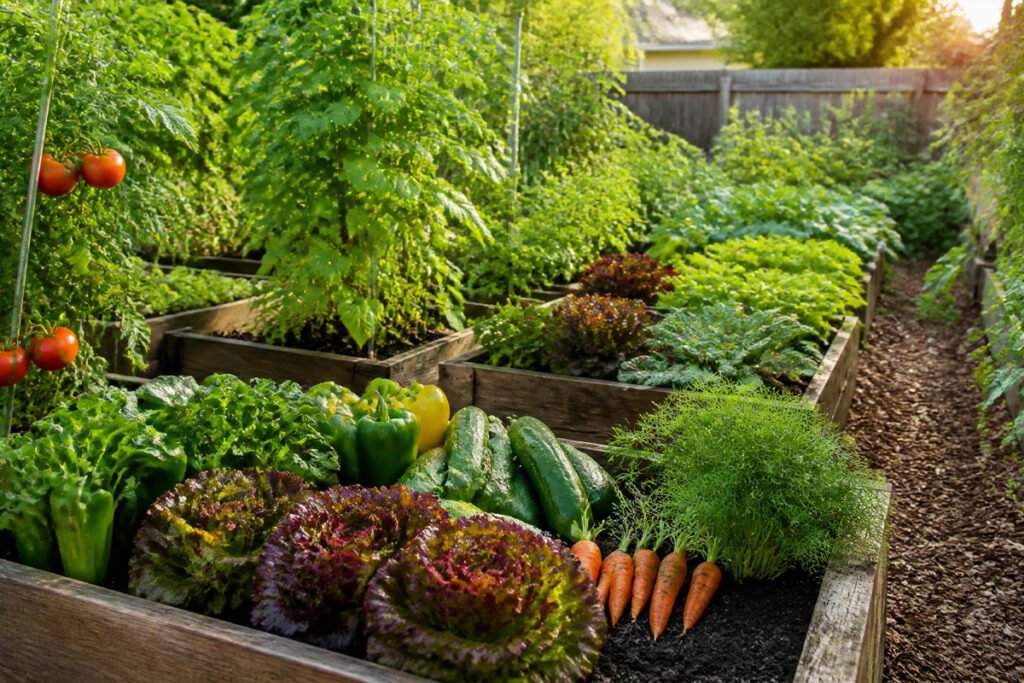
Soil pH is one of the few gardening variables that quietly undermines everything else if it’s ignored — no amount of good watering, mulching, or fertilizing fully compensates for soil that’s chemically locking nutrients away from your plants. A simple annual testing habit, paired with gradual, data-based amendments, closes that gap and makes every other part of your garden routine work as intended.
Frequently Asked Questions {#faq}
What pH range is best for most vegetables? Most vegetables grow best between 6.0 and 7.0, though a few, like potatoes, tolerate slightly more acidic soil, and others, like asparagus, prefer slightly more alkaline conditions.
How often should I test my garden’s soil pH? A full lab test every two to three years is usually sufficient for stable beds, while a quick at-home check before each planting season helps catch any faster shifts.
Can I just add lime every year as a precaution? No — adding lime without testing first can push pH too high over time, locking out different nutrients than the ones a low pH would have blocked. Always test before amending.
How long does it take for lime or sulfur to actually change soil pH? Most amendments take several weeks to a few months to fully shift pH, since the reaction happens gradually as the material breaks down and interacts with existing soil.
Does compost affect soil pH? Yes, compost tends to gently buffer soil toward neutral over time, which is one more reason a consistent composting routine supports stable, balanced soil beyond just adding nutrients.
Why do my plants show nutrient deficiency symptoms even though I fertilize regularly? This is often a pH problem rather than an actual nutrient shortage — if soil pH is outside a vegetable’s usable range, added nutrients remain chemically locked and unavailable no matter how much fertilizer goes down.
Is a digital meter or a lab test more reliable? A lab test is generally more accurate and gives a fuller nutrient picture, while a digital meter is convenient for frequent spot-checks between full lab tests.
Do raised beds need pH testing if I used bagged soil? Yes — bagged soil mixes vary by brand and can still drift over a season or two of fertilizing and watering, so testing periodically is worth doing even in a raised bed that started with fresh soil.
Can soil pH vary in different parts of the same garden? Yes, especially in larger in-ground plots, where drainage, nearby structures, and past amendment history can create noticeable pH differences between one end of the garden and the other.
What’s the fastest way to know if my soil pH is causing plant problems? A digital meter or at-home test kit gives a same-day answer, which is usually the quickest way to rule pH in or out before assuming the issue is pests, disease, or a fertilizer shortage.
Should I test pH before or after adding compost or mulch? Test beforehand if possible, since fresh compost and some mulches can slightly shift a reading; testing established soil first gives a clearer baseline before layering in amendments.
Does soil pH affect crop rotation planning? Indirectly, yes — since different plant families have slightly different pH preferences, tracking pH alongside your rotation plan helps you decide which bed suits which family best each season.
Author: Pamela Reese Last Updated: July 2026
Pingback: 7 Best Grow Bags for Vegetable Gardening: Proven Top Picks & Buying Guide | Pro Gardening Tips – Expert Advice for a Thriving Garden