A cheap garden hose fails in the most predictable ways — it kinks the moment you round a corner, cracks after one winter left outside, or develops a slow leak at the fitting that soaks your shoes every time you water. It’s an easy thing to underspend on, right up until you’re wrestling with a stiff, tangled hose in the middle of watering season.
This guide compares the best garden hoses for 2026 across the qualities that actually matter — kink resistance, weight, durability, and how they hold up to temperature swings. If you’re setting up a full watering routine, pair this with our watering and irrigation solutions guide, and for close-range precision, our watering cans guide covers the tasks a hose isn’t built for.
Quick Picks
| If you need… | Best pick |
|---|---|
| Best overall balance of flexibility and durability | Flexzilla 5/8″ Hybrid Polymer Hose |
| Lightest weight for large yards | Zero-G Aluminum Garden Hose |
| Maximum puncture and abrasion resistance | Bionic Steel Stainless Steel Hose |
| Extreme heat and hot-water tolerance | Briggs & Stratton Heavy-Duty Rubber Hose |
| Compact storage in small spaces | Expandable Lightweight Hose |
What Actually Makes a Garden Hose Good?
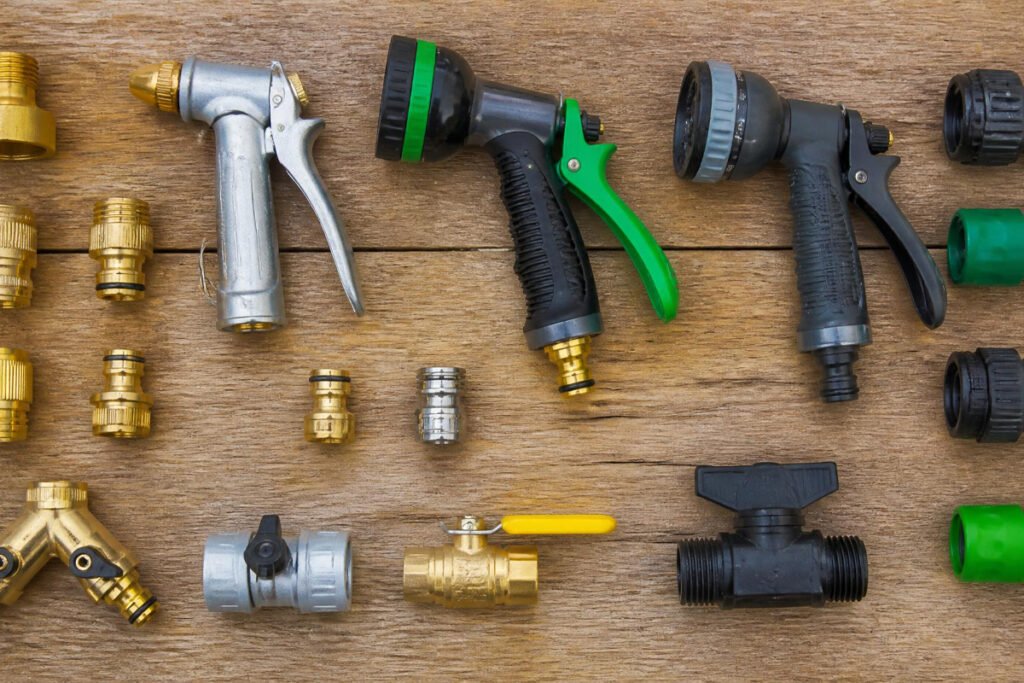
Three qualities separate a hose you’ll still be happy with in three years from one you’ll be replacing next season: material, kink resistance, and fitting quality. Hybrid polymer hoses (like Flexzilla) flex easily and resist kinking under pressure while staying lightweight; traditional rubber hoses are heavier but tend to handle extreme heat and cold better over the long term; stainless steel hoses trade some flexibility for near-total puncture resistance. Fittings matter just as much as the hose body — solid brass or aluminum connectors resist cracking and cross-threading far better than the plastic fittings found on the cheapest hoses.
Length is a practical trade-off, not a “longer is always better” choice: a 100-foot hose covers more ground but is meaningfully heavier to drag around and store than a 50-foot hose, which is plenty for most standard suburban yards.
How to Choose the Right Hose
Before buying, consider:
- How far do you need to reach? Measure the actual distance from your spigot to your farthest garden bed, and add a little slack — a 50-foot hose covers most yards, while larger properties need 75–100 feet.
- What’s your climate like? Hot summers and cold winters both stress hose material. Hybrid polymer and rubber hoses generally tolerate temperature swings better than basic vinyl.
- How will you store it? A hose that kinks easily is far more frustrating to coil onto a reel or hang on a hook. If storage matters, prioritize a genuinely kink-resistant material over raw durability alone.
Best Garden Hoses Available
1. Flexzilla 5/8″ Hybrid Polymer Garden Hose
Overview: The Flexzilla has earned its reputation as the go-to recommendation for most home gardeners, built from a hybrid polymer that lays flat with “zero memory” instead of fighting back into a coiled shape, while staying genuinely lightweight for its durability.
Key Features:
- Hybrid polymer construction, flexible even in cooler temperatures
- Crush-resistant anodized aluminum fittings
- Lightweight compared to traditional rubber hoses
- Available in multiple lengths, from short lead-ins to 100+ feet
Best For: Most home gardeners who want an easy, everyday hose that resists kinking without extra weight.
Pros: ✅ Excellent kink resistance ✅ Lightweight and easy to maneuver ✅ Stays flexible in cool weather Cons: ❌ Lower-pressure rating than heavier-duty hoses ❌ Bright color shows dirt more visibly
Our Verdict: For the vast majority of home gardens, this is the sensible default — it handles everyday watering, from containers to raised beds, without the stiffness or weight that makes cheaper hoses a chore.
2. Zero-G Aluminum Garden Hose
Overview: The Zero-G takes lightweight design further with an aluminum-fitting build that stays notably easy to handle even at longer lengths, making it a favorite for larger yards where dragging a heavy hose across the whole property gets old fast.
Key Features:
- Exceptionally lightweight for its length
- Aluminum fittings resist corrosion
- Strong kink resistance under normal use
- Available in extended lengths for larger properties
Best For: Large yards where hose weight becomes a real factor over long distances.
Pros: ✅ Genuinely lighter than most comparable hoses ✅ Reliable kink resistance ✅ Corrosion-resistant fittings Cons: ❌ Premium price versus basic hoses ❌ Less rugged against sharp abrasion than heavier options
Our Verdict: If you’ve ever cursed a heavy hose halfway across the yard, this solves that problem directly — the weight difference is noticeable in daily use.
3. Bionic Steel Stainless Steel Garden Hose
Overview: For gardeners dealing with sharp gravel, thorny plants, or pets that chew on everything in sight, the Bionic Steel’s stainless-steel construction offers a level of puncture and abrasion resistance no polymer or rubber hose can match.
Key Features:
- Stainless steel outer construction, highly puncture-resistant
- Rustproof and won’t corrode over time
- Lightweight relative to its steel construction
- Resistant to kinking despite the rigid material
Best For: Gardens with gravel paths, thorny plants, pets, or anywhere a hose takes regular physical abuse.
Pros: ✅ Outstanding puncture and abrasion resistance ✅ Rustproof, long-term durability ✅ Won’t degrade from UV exposure the way plastic hoses can Cons: ❌ Feels stiffer to handle than polymer hoses ❌ Higher price point
Our Verdict: Worth the investment if your hose regularly gets dragged over rough terrain or gnawed on by a curious pet — this is the closest thing to a “won’t wear out” garden hose.
4. Briggs & Stratton Heavy-Duty Rubber Garden Hose
Overview: Traditional rubber construction has one clear advantage over newer materials: genuine tolerance for temperature extremes, including hot water straight from a sun-heated hose or use in freezing conditions without the material turning brittle.
Key Features:
- Heavy-duty rubber construction rated for hot and cold extremes
- Reinforced construction resists kinking under regular use
- Durable brass fittings
- Long-lasting build designed for repeated seasonal use
Best For: Hot climates, cold climates, or anywhere temperature extremes cause other hose materials to fail early.
Pros: ✅ Handles temperature extremes better than most alternatives ✅ Durable, reinforced construction ✅ Reliable brass fittings Cons: ❌ Noticeably heavier than polymer hoses ❌ Stiffer to coil for storage
Our Verdict: If you’ve had hoses crack after a winter outside or turn brittle in summer heat, this rubber construction is specifically built to outlast that kind of temperature stress.
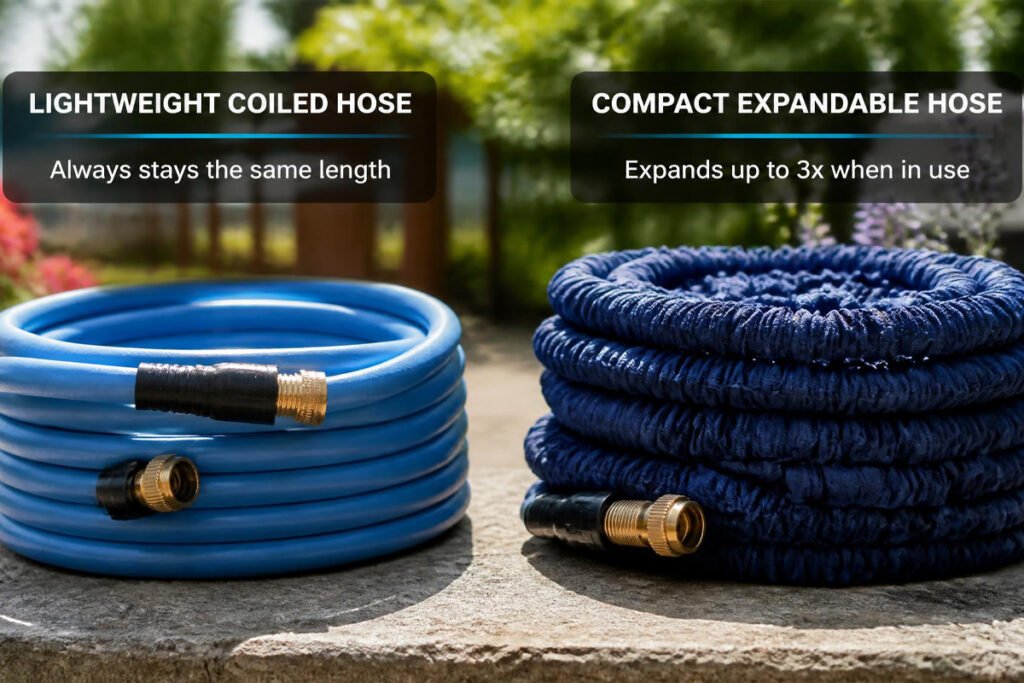
5. Expandable Lightweight Garden Hose
Overview: For small yards, patios, or anyone who hates wrestling a bulky coiled hose into storage, an expandable hose solves the space problem by starting compact and stretching to full length only under water pressure, then shrinking back down when the water’s off.
Key Features:
- Expands significantly under water pressure, contracts when drained
- Very lightweight and easy to store
- Latex-core construction inside a protective outer layer
- Available in multiple expanded lengths
Best For: Small yards, patios, balconies, or anyone prioritizing compact storage over heavy-duty durability.
Pros: ✅ Extremely easy to store ✅ Lightest option in this lineup ✅ Simple to maneuver around tight spaces Cons: ❌ Less durable long-term than rubber or hybrid polymer hoses ❌ More prone to punctures than steel or heavy-duty rubber
Our Verdict: A smart pick for container gardens or small patio setups where storage space matters more than heavy-duty toughness — pairs well with vertical gardening or balcony container setups.
Comparison Table
| Hose | Best For | Material | Weight | Temperature Tolerance |
|---|---|---|---|---|
| Flexzilla Hybrid Polymer | Everyday all-around use | Hybrid polymer | Light | Good (cold-flexible) |
| Zero-G Aluminum | Large yards | Hybrid polymer, aluminum fittings | Very light | Good |
| Bionic Steel | Rough terrain, pets | Stainless steel | Moderate | Excellent |
| Briggs & Stratton Rubber | Extreme heat/cold | Heavy-duty rubber | Heavy | Excellent |
| Expandable Hose | Small yards, easy storage | Latex core | Very light | Fair |
Best Hoses for Different Yards
Small Yards and Patios
An expandable hose or a shorter 25–50 foot hybrid polymer hose covers most compact spaces without the bulk of a full-length hose you’ll never fully use.
Large Properties
A lightweight option like the Zero-G in a 75–100 foot length reaches distant garden beds without the exhausting drag of a heavier hose across the whole yard.
Vegetable Gardens and Raised Beds
Pair a mid-length, kink-resistant hose like the Flexzilla with a good garden sprayer or watering can for tasks that need more precision than a hose alone provides.
Common Mistakes
- Leaving hoses in direct sun or freezing temperatures year-round. UV exposure degrades plastic and rubber over time, and water left inside a hose can freeze and crack it in winter. Draining and storing hoses out of direct sun extends their life significantly.
- Buying a length far longer than you need. Extra length means extra weight to drag around and more hose to coil and store — measure your actual watering distance rather than defaulting to the longest option available.
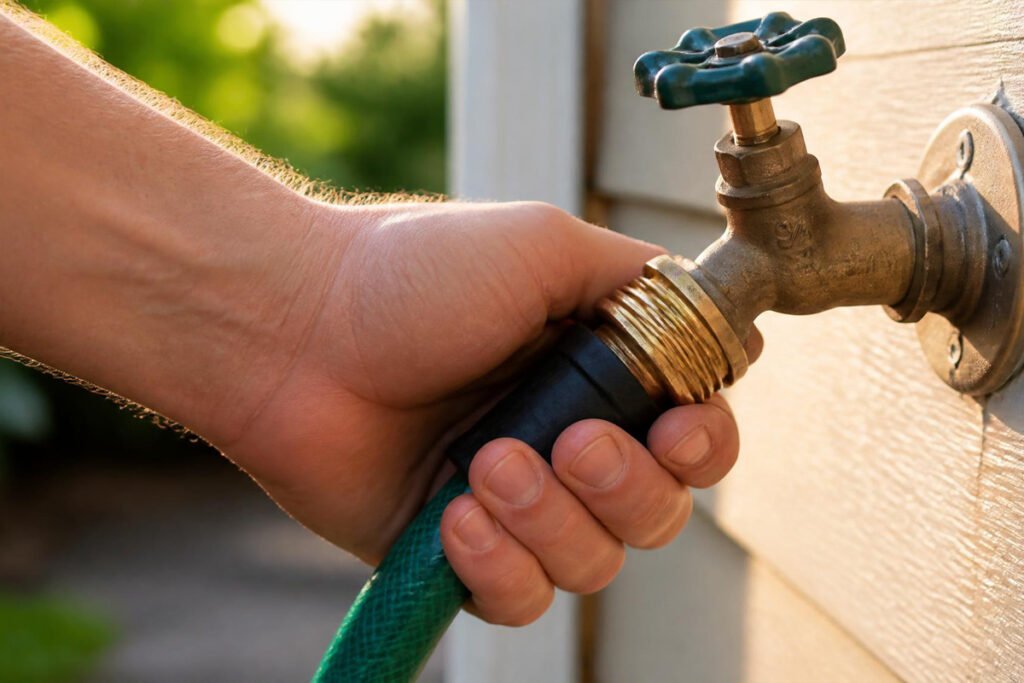
- Ignoring fitting material. Plastic fittings are the most common failure point on cheap hoses, cracking or cross-threading within a season or two. Brass or aluminum fittings hold up dramatically longer.
Expert Tips
- Drain hoses before winter storage, even ones rated for cold tolerance — trapped water expanding as it freezes is one of the most common causes of hose failure regardless of material.
- Use a hose reel or wall mount rather than leaving it in a loose pile. Tangled, kinked storage is one of the fastest ways to shorten a hose’s usable life, even on kink-resistant models.
- Match nozzle to hose, not the other way around. A high-pressure nozzle on a hose rated for lower PSI can strain the fittings over time — check your hose’s rated pressure if you’re using an adjustable spray gun regularly.
Final Thoughts
Best overall: The Flexzilla Hybrid Polymer Hose covers the widest range of everyday needs with excellent kink resistance and manageable weight. Best for large yards: The Zero-G’s lightweight build makes long-distance watering far less exhausting. Best for durability: The Bionic Steel is the closest thing to a hose that simply won’t wear out, regardless of terrain or pets.
Whichever you choose, pair it with the right watering approach from our watering and irrigation solutions guide, and store it properly using tips from our garden storage and organization guide to get years of use out of it.
Frequently Asked Questions
What length garden hose do I actually need? Measure the distance from your spigot to your farthest garden bed and add some slack. Most standard suburban yards are well covered by 50 feet; larger properties often need 75–100 feet.
Rubber vs. hybrid polymer — which lasts longer? Both can last for years with proper care. Rubber tends to tolerate temperature extremes slightly better, while hybrid polymer is lighter and more kink-resistant for everyday handling. The “better” choice depends more on your climate and how much weight you want to deal with.
Why does my hose keep kinking? This is usually a material issue — vinyl and cheap rubber hoses kink far more easily than hybrid polymer or quality rubber construction. Coiling storage habits matter too; a hose stored in a tight, twisted pile is more prone to developing kinks over time.
Is a stainless steel hose worth the extra cost? If you deal with gravel, thorny plants, or pets that chew on hoses, yes — the puncture resistance genuinely outlasts other materials. For a typical lawn and garden without those stressors, a quality hybrid polymer or rubber hose is usually enough.
Can I leave my garden hose outside all winter? It’s not recommended, even for cold-rated hoses. Draining the hose fully and storing it in a garage or shed prevents water from freezing and expanding inside, which is one of the most common causes of cracked hoses.
Do expandable hoses actually hold up over time? They’re more prone to punctures and wear than rubber or hybrid polymer hoses, so they’re best suited to light-duty use in small spaces rather than heavy daily watering across a large property.
What PSI rating should I look for? Most residential spigots run around 40–60 PSI, which the vast majority of garden hoses handle comfortably. Higher PSI ratings matter more if you’re using pressure washers or specific high-flow attachments.
Are brass fittings really better than plastic? Yes, noticeably. Brass and aluminum fittings resist cracking, cross-threading, and corrosion far better than plastic, which is one of the most common failure points on inexpensive hoses.
How do I stop my hose from leaking at the connection? This is usually a worn or damaged rubber washer inside the fitting, not the hose itself. Replacing the small washer is a cheap, quick fix before assuming you need a whole new hose.
Do I need a different hose for drinking water? Yes — standard garden hoses aren’t certified safe for drinking water and can leach chemicals from the hose material. Look specifically for a hose labeled “drinking water safe” if that’s a need, and keep in mind a hose left outdoors can still develop bacterial growth over time regardless of certification.
Author: Pamela Reese Last Updated: August 2026